
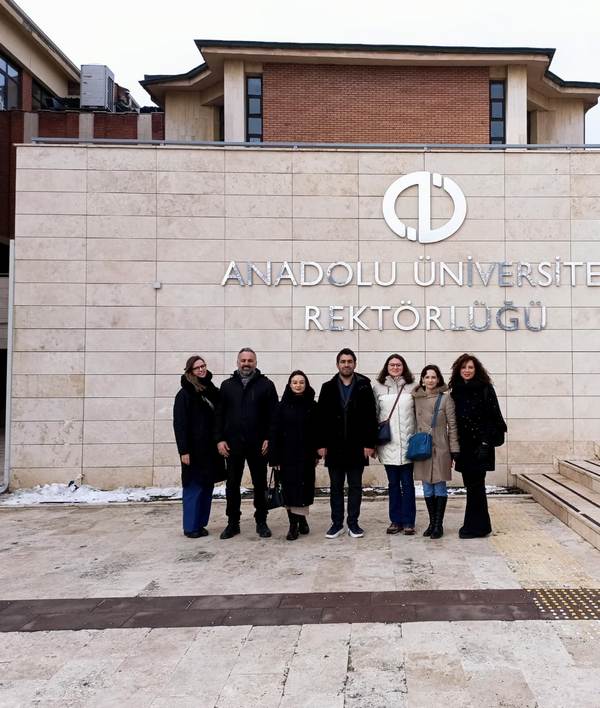
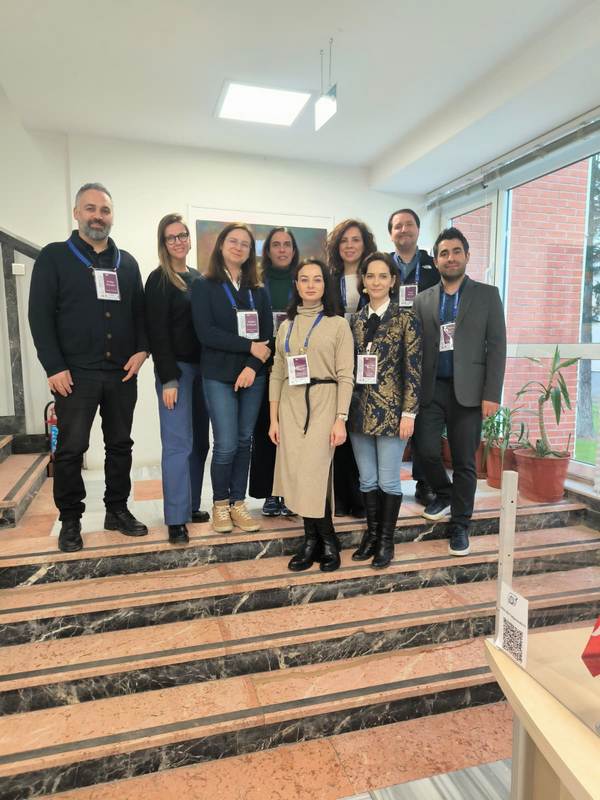
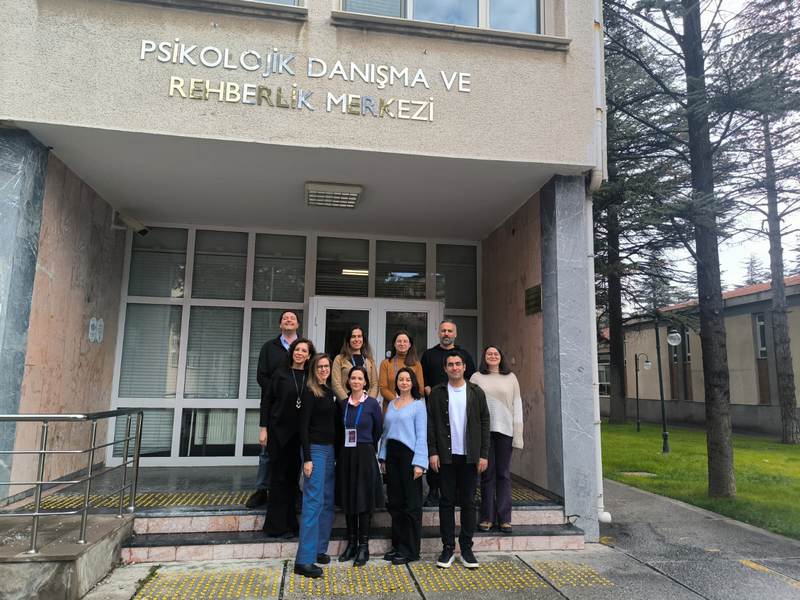
У січні 2026 року відбулася третя транснаціональна зустріч партнерів міжнародного проєкту Researchers’ act: training for psychological flexibility and work-related stress management (ReACT), що реалізується за програмою Erasmus+ (KA220-HED). Захід об’єднав представників університетів та дослідницьких організацій з України, Румунії, Туреччини, Португалії та Швеції, зокрема й Бердянського державого педагогічного університету, який на зустрічі представляла Анастасія Попова.
Проєкт ReACT спрямований на підтримку ментального здоров’я дослідників і молодих вчених, зокрема шляхом розвитку психологічної гнучкості та навичок подолання професійного стресу. Особливу увагу в межах проєкту приділено дослідникам із вразливих груп, зокрема тим, які працюють в умовах криз і воєнних викликів.
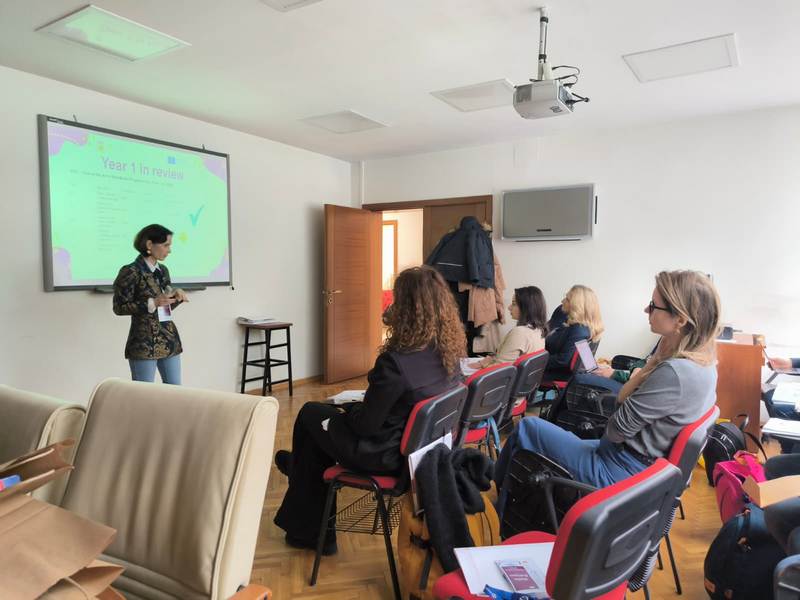
Під час третьої зустрічі учасники підбили підсумки завершення перших етапів проєкту – аналітичного огляду сучасних цифрових програм підтримки психічного здоров’я дослідників та розробки психоосвітньої програми ReACT. Окремий акцент було зроблено на запуск нового етапу – створення інтерактивної вебплатформи ReACT, яка стане основним інструментом практичної реалізації проєкту.
Протягом двох робочих днів партнери обговорили технічну архітектуру платформи, її дизайн, інтерактивні елементи та мультимовну адаптацію. Також було узгоджено методологію пілотного дослідження, етичні аспекти залучення учасників та подальші кроки з тестування ефективності програми.
Бердянський державний педагогічний університет у межах зустрічі долучився до обговорення пілотної фази проєкту, а також до розробки підходів оцінювання впливу програми на рівень стресу та психологічну стійкість дослідників. Досвід університету, сформований в умовах війни та вимушеної релокації, став важливим елементом міжкультурного діалогу щодо підтримки науковців у кризових ситуаціях.
Зустріч також стала майданчиком для планування подальших кроків з поширення результатів проєкту, зокрема через академічні публікації, локальні заходи та формування рекомендацій для закладів вищої освіти щодо створення психологічно безпечного та інклюзивного академічного середовища.
Участь БДПУ в проєкті ReACT вкотре підтверджує важливість міжнародної співпраці у сфері вищої освіти та науки, а також роль українських університетів у формуванні європейського порядку денного з питань ментального здоров’я та добробуту дослідників.
Слідкуйте за запуском платформи та пілотним проєктом:
- Вебсайт: researchersact.eu
- Facebook: Researchers ACT Project
- LinkedIn: Researchers ACT Project
- X/Twitter: @ReACT_2024
- Instagram: @react.erasmusproject2024
Цей матеріал підготовлено в межах проєкту ReACT (Researchers’ act: training for psychological flexibility and work–related stress management), що співфінансується Європейським Союзом за програмою Erasmus+ (KA220-HED). Висловлені думки та погляди є виключно відповідальністю авторів і не обов’язково відображають позицію Європейського Союзу чи Національного агентства.
За матеріалами Анастасії Попової
International cooperation for researcher well-being: Outcomes of the third ReACT project meeting
In January 2026, the third Transnational Project Meeting of the international project Researchers’ act: training for psychological flexibility and work-related stress management (ReACT) took place within the framework of the Erasmus+ Programme (KA220-HED). The meeting brought together representatives of universities and research organisations from Ukraine, Romania, Türkiye, Portugal, and Sweden, including Berdyansk state pedagogical university, which was represented at the meeting by Anastasiia Popova.
The ReACT project aims to support the mental health and well-being of researchers and early-career scholars, in particular through the development of psychological flexibility and skills for coping with work-related stress. Special attention within the project is given to researchers from vulnerable groups, including those working under conditions of crisis and wartime challenges.
During the third meeting, the partners reviewed the completion of the initial project stages, including a systematic analytical review of contemporary digital programmes supporting researchers’ mental health and the development of the ReACT psychoeducational programme. Particular emphasis was placed on the launch of the next phase of the project – the development of the ReACT interactive web-based platform, which will serve as the main tool for the practical implementation of the project.
Over the course of two working days, the partners discussed the technical architecture of the platform, its design, interactive elements, and multilingual adaptation. The methodology of the pilot study, ethical aspects of participant involvement, and the next steps for testing the effectiveness of the programme were also agreed upon.
Within the meeting, Berdyansk State Pedagogical University contributed to discussions on the pilot phase of the project and to the development of approaches for assessing the programme’s impact on researchers’ stress levels and psychological resilience. The university’s experience, shaped by conditions of war and forced relocation, became an important element of the intercultural dialogue on supporting researchers in crisis situations.
The meeting also served as a platform for planning further dissemination of the project results, including academic publications, local events, and the development of recommendations for higher education institutions aimed at fostering psychologically safe and inclusive academic environments.
The participation of Berdyansk State Pedagogical University in the ReACT project once again highlights the importance of international cooperation in higher education and research, as well as the role of Ukrainian universities in shaping the European agenda on researcher mental health and well-being.
Follow the launch of the platform and the pilot project:
- Website: researchersact.eu
- Facebook: Researchers ACT Project
- LinkedIn: Researchers ACT Project
- X/Twitter: @ReACT_2024
- Instagram: @react.erasmusproject2024
This material was prepared within the framework of the ReACT project (Researchers’ act: training for psychological flexibility and work-related stress management), co-funded by the European Union under the Erasmus+ Programme (KA220-HED). The views and opinions expressed are those of the authors only and do not necessarily reflect those of the European Union or the National Agency.
Based on materials by Anastasiia Popova
