
На Факультеті дошкільної, спеціальної та соціальної освіти відбувся Тиждень психології, організований кафедрою прикладної психології та логопедії. Протягом кількох днів здобувачі освіти, викладачі та всі охочі мали змогу долучитися до лекцій, майстер-класів і тренінгів, присвячених актуальним психологічним темам: посттравматичному зростанню, стресу, внутрішнім ресурсам, асертивності, емоційній регуляції та конструктивному проживанню злості.
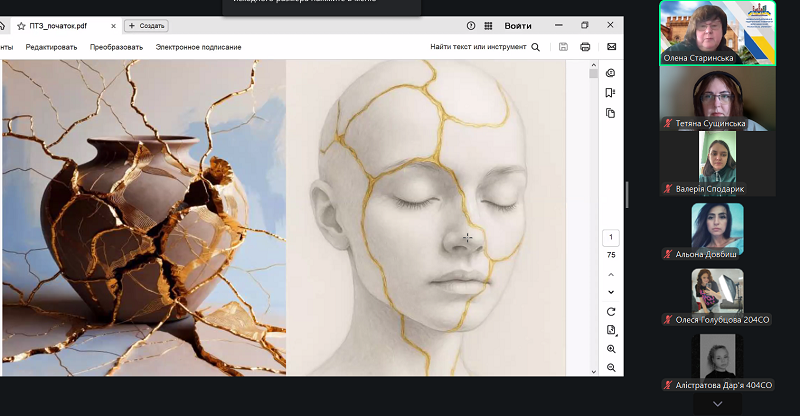
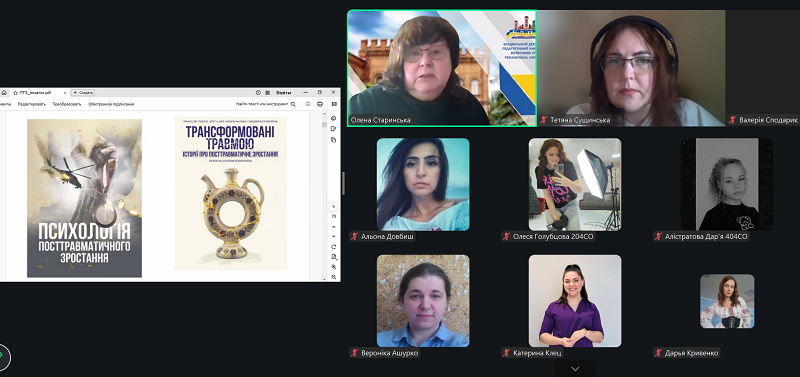
Відкрила низку заходів лекція «Феномен посттравматичного зростання», яку провела Олена Старинська, д-рка психол. н., завідувачка кафедри прикладної психології та логопедії БДПУ. Під час зустрічі йшлося про внутрішні ресурси людини, можливості відновлення, переосмислення досвіду та особистісного зростання після складних життєвих випробувань.
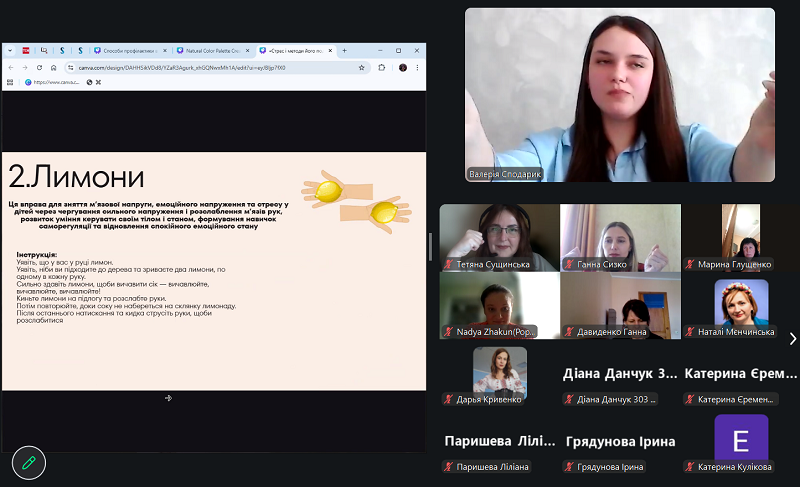
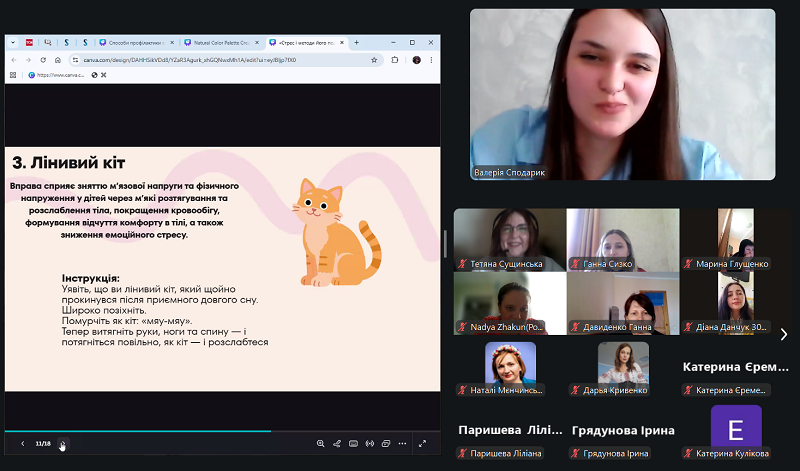
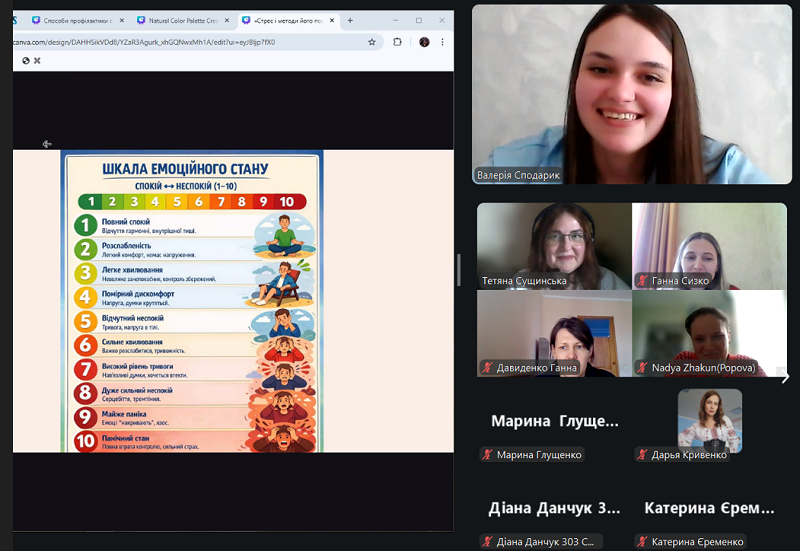
Наступним заходом став майстер-клас «Стрес і методи його подолання в роботі з дітьми», спікеркою якого була Валерія Сподарик: здобувачка 4 курсу ФДССО, учасниця Психологічного клубу ФДССО, вихователька ЗДО № 2 «Вишенька» Золочівської міської ради Львівської області. Учасники говорили про те, що таке стрес, які чинники найчастіше викликають його у дітей, як він проявляється в дошкільному віці та чому так важливо вчасно помічати ознаки емоційного напруження. Цінною стала практична частина, під час якої було представлено дихальні техніки, вправи на м’язове розслаблення, самозаспокоєння та заземлення.
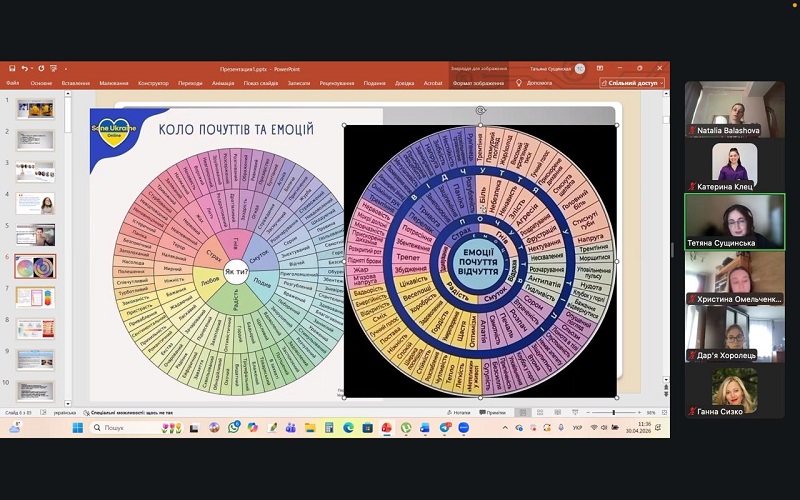
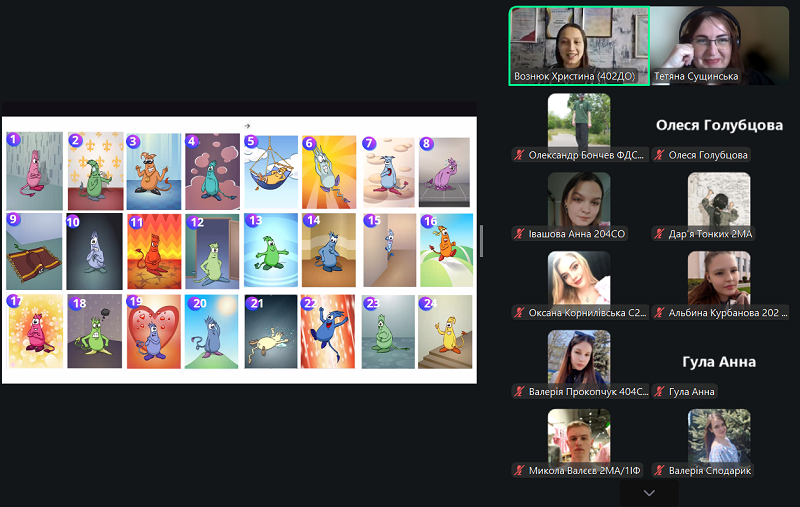
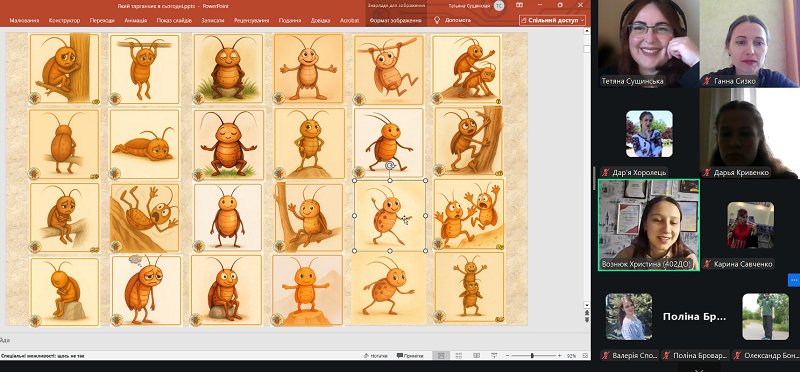
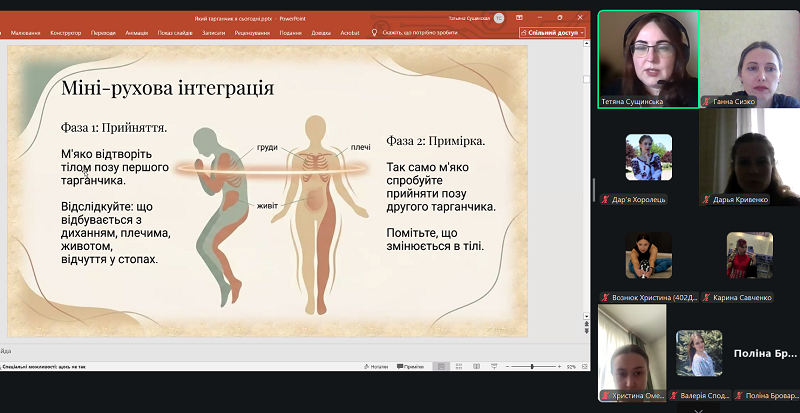
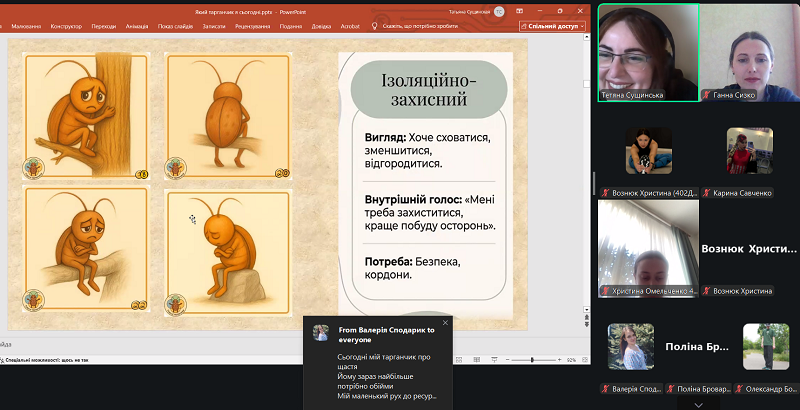
У межах Тижня психології відбувся також майстер-клас «Між “треба” і “хочу”: діалог внутрішніх імпульсів з МАК “Тілесні тарганчики”», який провела Тетяна Сущинська, к.психол.н., доцентка кафедри прикладної психології та логопедії. Учасники працювали з авторською колодою метафоричних асоціативних карт «Тілесні тарганчики», досліджуючи внутрішні стани, тілесно-емоційні відгуки та взаємодію внутрішніх голосів «потребую», «хочу» і «треба». У ході майстер-класу було представлено також авторську класифікацію профілів резильєнтності та запропоновано звернутися до положень бодинамічної теорії. Зустріч стала простором самоспостереження, пошуку внутрішньої опори й уважнішого контакту із собою.
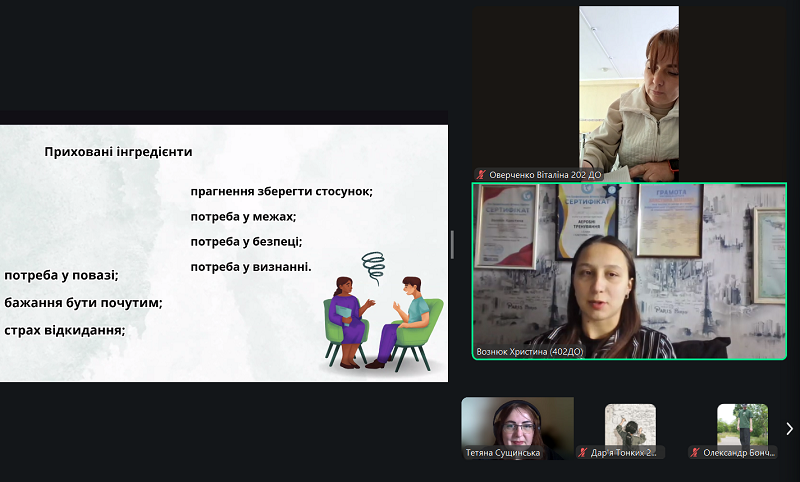
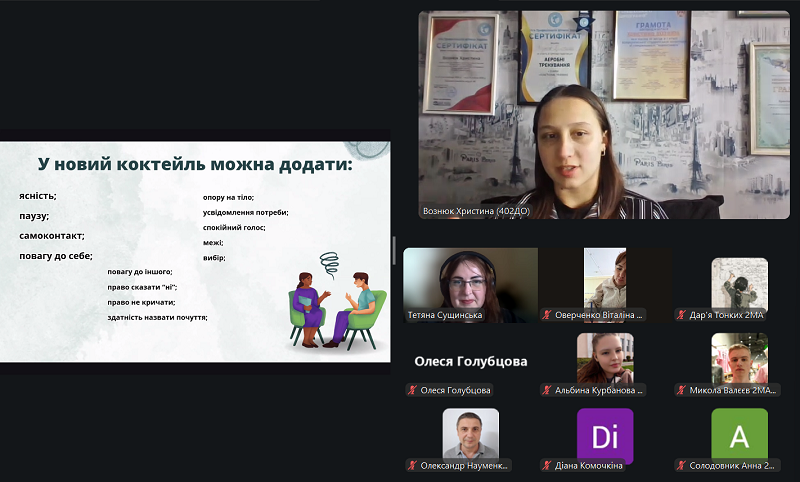
Практичне осмислення теми меж, потреб і способів взаємодії продовжив майстер-клас «ПсихоLab асертивності». Його спікеркою стала Христина Вознюк: здобувачка 4 курсу ФДССО, учасниця Психологічного клубу ФДССО, тренерка зі степ-аеробіки, функціоналу та нутриціолог, а модераторкою зустрічі – Тетяна Сущинська. Під час зустрічі учасники звернулися до теми асертивності як уміння відкрито й чесно висловлювати свої почуття та потреби, відстоювати власні межі, говорити «ні» без почуття провини та водночас зберігати повагу до себе й інших. У практичній частині вони працювали з вправою «Коктейль асертивності», досліджуючи складові конфліктної реакції та шукаючи внутрішні опори, які допомагають зробити її більш зрілою, ясною й конструктивною.
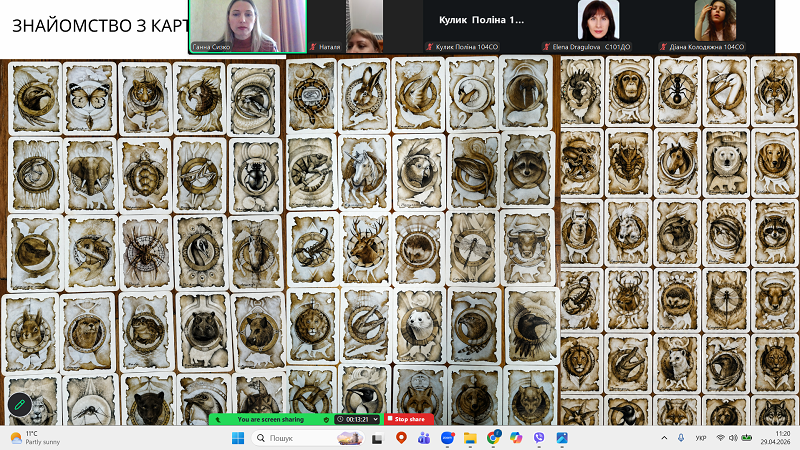
29 квітня для здобувачів факультету було проведено онлайн-тренінг «Пошук внутрішніх ресурсів через образ тотемної тварини», який провела Ганна Сизко, к.психол.н., доцентка кафедри прикладної психології та логопедії. Учасники мали змогу краще пізнати себе, подивитися на власні риси з нового боку та відчути свої внутрішні ресурси через метафоричні образи. У роботі використовувалися метафоричні асоціативні карти «Тотемні тварини» та вправи за методикою Р.Ткач. Важливо, що цей тренінг виявився значущим не лише на рівні інтересу, а й на рівні особистого досвіду: учасники активно включалися в роботу, ділилися відкриттями та підтримували одне одного.
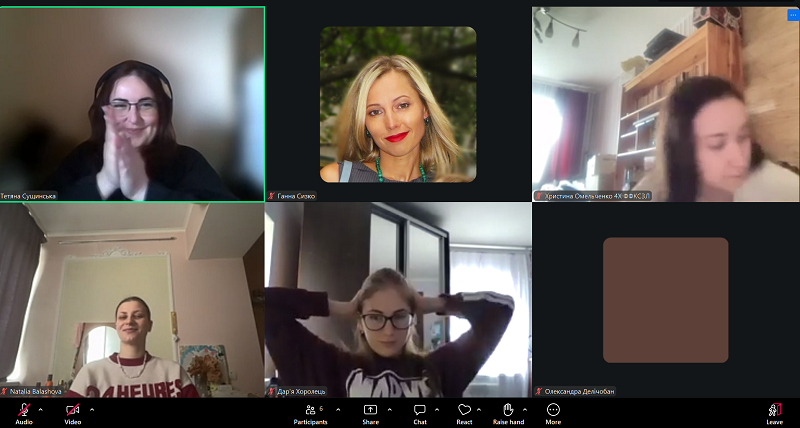
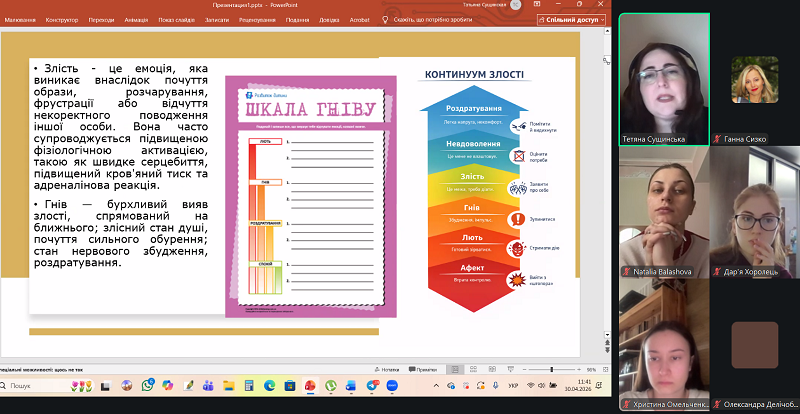
Завершальним акордом стала відкрита лекція «Злість: стратегії регуляції та конструктивного вираження» з освітньої компоненти «Тренінг емоційної компетентності», яку провела Тетяна Сущинська для здобувачів 4 курсу. На заняття були запрошені також викладачі кафедри прикладної психології та логопедії. Лекція була присвячена темі збереження психічного здоров’я в наш складний час, розвитку емоційної компетентності та пошуку більш екологічних способів проживання складних емоцій. Увага була зосереджена на злості та агресії, причинах агресивних реакцій, їхніх емоційних, пізнавальних і вольових складових, а також на тілесному вимірі переживання злості – тому, як вона проявляється в тілі, русі, міміці, пантомімі та голосі. Практична частина включала візуалізацію з арт-образом «Вулкан», яка допомогла звернутися до теми накопичення внутрішньої напруги та безпечних способів її усвідомлення й вираження.
Усі заходи Тижня психології об’єднала спільна ідея: уважніше ставитися до внутрішнього світу людини, підтримувати психологічну стійкість, розвивати емоційну грамотність і шукати ресурсні способи взаємодії із собою та з іншими. Лекції, майстер-класи й тренінги стали не лише частиною навчального процесу, а й живим простором професійного спілкування, підтримки, самопізнання та важливих внутрішніх відкриттів.
За матеріалами кафедри прикладної психології та логопедії
Psychology Week at the Faculty of Preschool, Special and Social Education: a space for professional dialogue, support, and inner discovery

The Faculty of Preschool, Special and Social Education hosted Psychology Week, organized by the Department of Applied Psychology and Speech Therapy. Over the course of several days, students, lecturers, and all interested participants had the opportunity to join lectures, workshops, and training sessions devoted to relevant psychological topics, including post-traumatic growth, stress, inner resources, assertiveness, emotional regulation, and the constructive processing of anger.
The series of events opened with the lecture “The Phenomenon of Post-Traumatic Growth,” delivered by Olena Starynska, Doctor of Psychological Sciences and Head of the Department of Applied Psychology and Speech Therapy at BSPU. The lecture focused on a person’s inner resources, the possibilities of recovery, the rethinking of experience, and personal growth after difficult life challenges.
The next event was the workshop “Stress and Methods of Coping with It in Work with Children,” presented by Valeriia Spodaryk, a fourth-year FPSSO student, member of the FPSSO Psychological Club, and preschool teacher at Preschool Institution No. 2 “Vyshenka” of the Zolochiv City Council, Lviv Region. Participants discussed what stress is, which factors most often trigger it in children, how it manifests itself in preschool age, and why it is so important to notice signs of emotional tension in time. The practical part was especially valuable, as it introduced breathing techniques, muscle relaxation exercises, self-soothing, and grounding practices.
As part of Psychology Week, there was also a workshop entitled “Between ‘Have To’ and ‘Want To’: a Dialogue of Inner Impulses with the Metaphorical Associative Cards ‘Body Cockroaches,’” conducted by Tetiana Sushchynska, Candidate of Psychological Sciences and Associate Professor of the Department of Applied Psychology and Speech Therapy. Participants worked with the author’s deck of metaphorical associative cards “Body Cockroaches,” exploring inner states, bodily-emotional responses, and the interaction of the inner voices of “I need,” “I want,” and “I have to.” The workshop also introduced the author’s classification of resilience profiles and invited participants to engage with key ideas of Bodynamic theory. The meeting became a space for self-observation, the search for inner support, and more attentive contact with oneself.
The practical exploration of boundaries, needs, and ways of interaction continued in the workshop “PsychoLab of Assertiveness.” Its speaker was Khrystyna Vozniuk, a fourth-year FPSSO student, member of the FPSSO Psychological Club, step aerobics and functional training coach, and nutritionist, while Tetiana Sushchynska served as moderator. During the session, participants turned to the topic of assertiveness as the ability to express one’s feelings and needs openly and honestly, defend personal boundaries, say “no” without guilt, and at the same time preserve respect for oneself and others. In the practical part, they worked with the exercise “The Cocktail of Assertiveness,” exploring the components of a conflict reaction and searching for inner supports that help make it more mature, clear, and constructive.
On April 29, an online training session “Searching for Inner Resources through the Image of a Totem Animal” was held for faculty students by Hanna Syzko, Candidate of Psychological Sciences and Associate Professor of the Department of Applied Psychology and Speech Therapy. Participants had the opportunity to get to know themselves better, look at their personal qualities from a new perspective, and feel their inner resources through metaphorical images. The work involved metaphorical associative cards “Totem Animals” and exercises based on the method of R. Tkach. Importantly, this training proved meaningful not only on the level of interest but also on the level of personal experience: participants actively engaged in the process, shared their discoveries, and supported one another.
The final event was the open lecture “Anger: Strategies of Regulation and Constructive Expression” within the educational component “Training in Emotional Competence,” delivered by Tetiana Sushchynska for fourth-year students. Lecturers of the Department of Applied Psychology and Speech Therapy were also invited to attend. The lecture addressed the important issue of preserving mental health in our difficult times, developing emotional competence, and finding more ecological ways of living through difficult emotions. Attention was focused on anger and aggression, the causes of aggressive reactions, their emotional, cognitive, and volitional components, as well as the bodily dimension of experiencing anger – how it manifests in the body, movement, facial expression, pantomime, and voice. The practical part included a visualization using the art image “Volcano,” which helped participants address the topic of accumulated inner tension and safe ways of becoming aware of and expressing it.
All the events of Psychology Week were united by a common idea: to pay closer attention to the inner world of the person, support psychological resilience, develop emotional literacy, and search for resourceful ways of interacting both with oneself and with others. The lectures, workshops, and training sessions became not only part of the educational process, but also a living space for professional communication, support, self-discovery, and important inner insights.
Based on materials provided by the Department of Applied Psychology and Speech Therapy
