
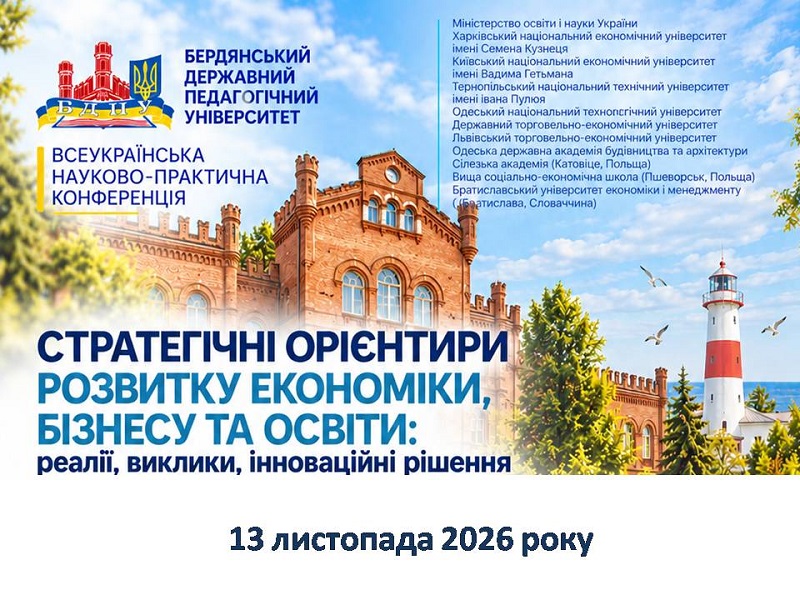
13 листопада 2026 року Бердянський державний педагогічний університет став майданчиком для масштабного наукового діалогу, що об’єднав представників закладів вищої освіти України та міжнародних партнерів навколо актуальних питань розвитку економіки, бізнесу й освіти.
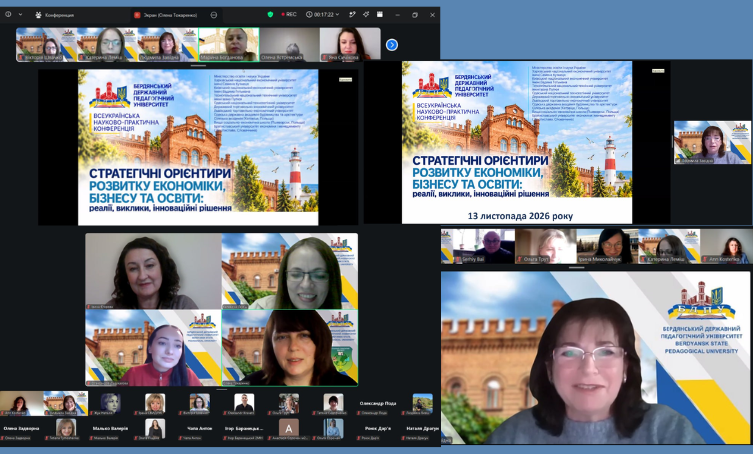
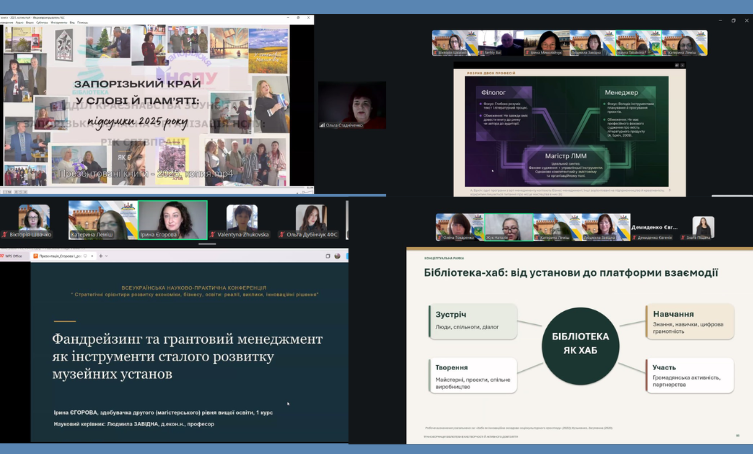
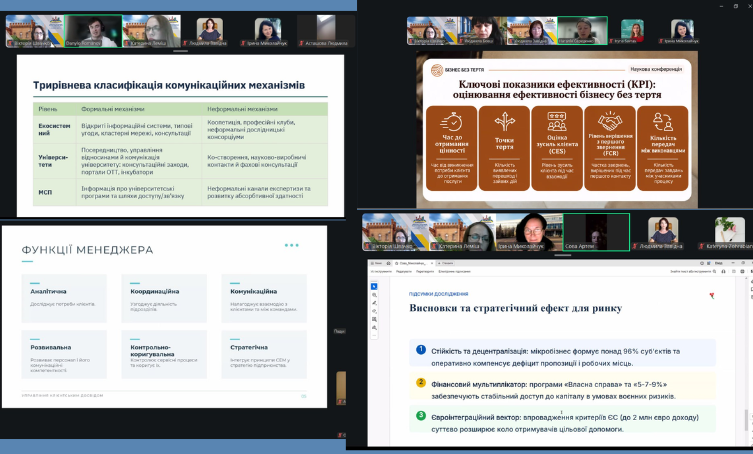
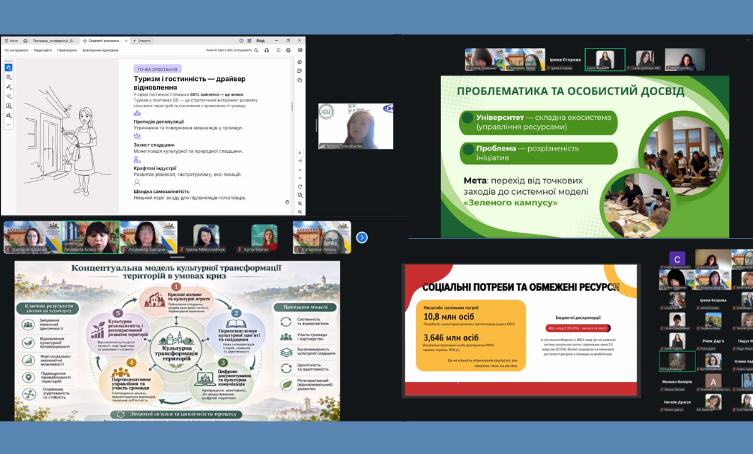
У дистанційному форматі на платформі Zoom відбулася Всеукраїнська науково-практична конференція «Стратегічні орієнтири розвитку економіки, бізнесу та освіти: реалії, виклики, інноваційні рішення». Захід зібрав понад 120 учасників – науковців, викладачів, представників академічної спільноти, аспірантів, магістрантів і студентів. До наукової дискусії долучилися представники університетів з різних регіонів України, а також міжнародні партнери з Польщі та інших країн.
Конференція стала простором для обміну досвідом, представлення результатів досліджень і пошуку відповідей на питання, які сьогодні визначають майбутнє економіки, бізнесу та освітнього середовища. У центрі уваги були стратегічні й безпекові орієнтири розвитку української економіки, інноваційні моделі зростання, цифрова трансформація бізнесу, антикризове управління, фінансова стійкість, людський капітал, європейська інтеграція та трансформація освіти.
Відкрили конференцію представники керівництва та академічної спільноти університетів-організаторів і партнерів. Із вітальними словами до учасників звернулися Яна Сичікова, доктор технічних наук, професор, проректор з наукової роботи БДПУ; Марина Богданова, кандидат філологічних наук, доцент, декан соціально-гуманітарного факультету БДПУ; Сергій Бай, доктор економічних наук, професор, завідувач кафедри менеджменту Державного торговельно-економічного університету; Олена Ніколюк, доктор економічних наук, професор, завідувач кафедри публічного управління та адміністрування Одеського національного технологічного університету; Ольга Євдокімова, в.о. директора Навчально-наукового інституту бізнесу та інформаційних технологій Одеської державної академії будівництва та архітектури.
До вітальної частини долучилася також Людмила Завідна, доктор економічних наук, професор, професор кафедри економіки, менеджменту та фінансів БДПУ, голова організаційного комітету конференції. Її участь підкреслила важливість наукової взаємодії, розвитку міжуніверситетського партнерства та створення відкритого простору для професійного обговорення актуальних проблем економіки, бізнесу й освіти.
У вітальних зверненнях прозвучала спільна думка про особливу роль науки й освіти в умовах суспільних трансформацій, необхідність консолідації академічної спільноти, розвитку партнерських зв’язків і пошуку інноваційних рішень для відновлення та подальшого розвитку України.
Пленарне засідання продемонструвало широту наукових інтересів учасників і багатовимірність проблем, що постали перед сучасною економікою та системою управління.
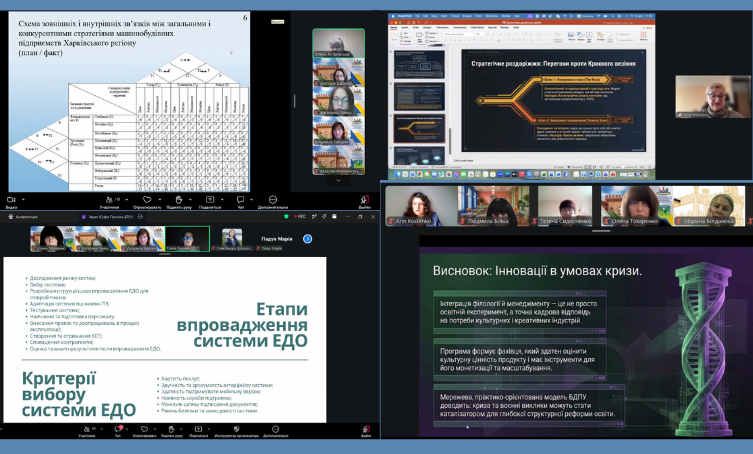
Серед важливих тем – конкурентні стратегії машинобудівного комплексу Харківського регіону, які представила Олена Ястремська, доктор економічних наук, професор Харківського національного економічного університету імені Семена Кузнеця. Тетяна Близнюк і Жанна Богдан із цього ж університету порушили питання травма-інформованого навчання як інструменту розвитку людського капіталу в умовах викликів воєнного часу.
Технологічний вимір сучасних трансформацій розкрила Ірина Федулова, доктор економічних наук, професор Державного торговельно-економічного університету, представивши доповідь про траєкторію розвитку штучного інтелекту. Її тема органічно доповнила дискусію про вплив цифрових технологій на економічні процеси, управлінські рішення та професійне середовище.
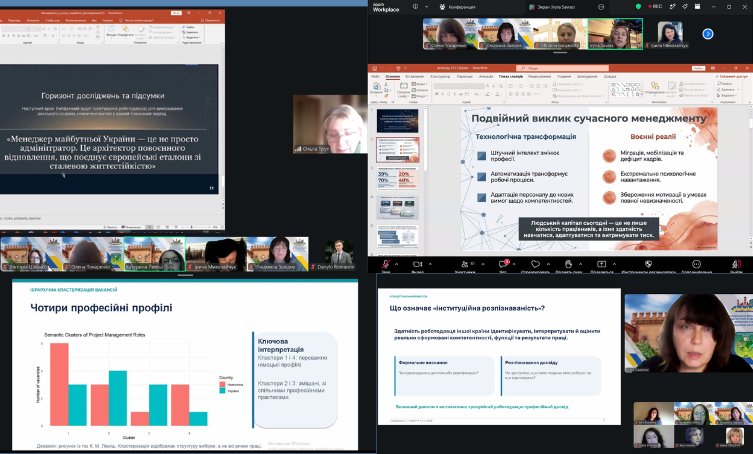
Проблематика людського капіталу та стійкості суспільства об’єднала виступи представників Львівського торговельно-економічного університету. Ірена Свидрук зосередила увагу на менеджменті психоемоційної стійкості учасників освітнього процесу як чиннику збереження людського капіталу. Ольга Трут розглянула особливості освітньо-професійної підготовки менеджерів в Україні на перетині європейської інтеграції та викликів воєнного стану, а Ірина Саврас – аналітичні й емпатійні підходи до розвитку людського капіталу в умовах цифрових і воєнних викликів.
Важливі питання економічної стійкості держави порушив Валерій Немченко, доктор економічних наук, професор Одеського національного технологічного університету, у доповіді про проблеми економіки України під час війни. Тетяна Тимошенко, представниця Київського національного економічного університету імені Вадима Гетьмана, звернулася до стратегій економічної активізації населення та відновлення людського капіталу в громадах через сталий розвиток туризму.
Окрему увагу привернули доповіді, присвячені інноваціям у сфері послуг, культурній пам’яті та цифровим комунікаціям. Людмила Бовш із Державного торговельно-економічного університету представила тему переходу від збереження спадщини до регенерації місць, акцентувавши на взаємозв’язку культурної пам’яті, цифрових інновацій і стратегічного розвитку територій. Ганна Мирошниченко розглянула управління інтелектуальними комунікаційними технологіями в системах цифрового маркетингу, а Олександр Кравець зі Львівського торговельно-економічного університету – інноваційний менеджмент сервісу, його цифрові інструменти, моделі та управлінські практики.
Таким чином, пленарна дискусія охопила широкий спектр питань: від макроекономічної стабільності та конкурентоспроможності до психологічної стійкості, цифровізації, розвитку людського капіталу й оновлення професійної освіти.
Важливою складовою конференції стали виступи викладачів Бердянського державного педагогічного університету, які представили результати досліджень на перетині економіки, менеджменту, освіти та соціальних трансформацій.
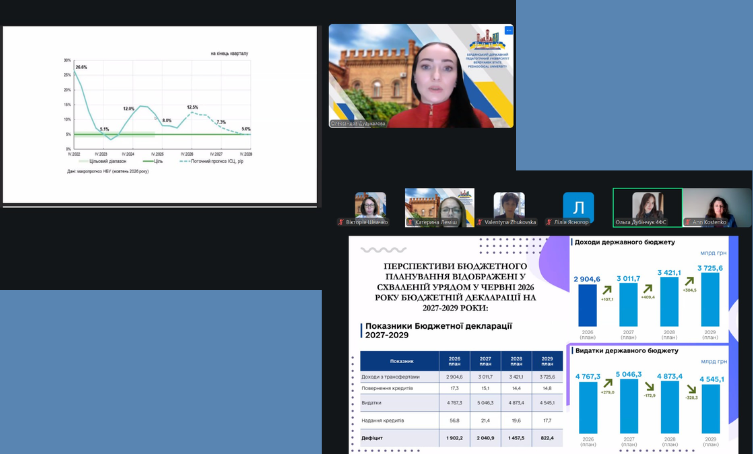
Ганна Табакова наголосила на важливості міждисциплінарної взаємодії та поєднання різних галузей знань у підготовці сучасних фахівців. Катерина Леміш зосередила увагу на трансформації управлінської освіти, зокрема на відповідності професійної підготовки майбутніх управлінців вимогам європейського ринку праці. Олена Токаренко порушила питання визнання професійного досвіду українських вимушених мігрантів та можливостей реалізації їхнього людського потенціалу в країнах ЄС. Олександра Дудукалова розглянула актуальні аспекти забезпечення цінової стабільності в Україні та роль монетарних інструментів у підтриманні економічної рівноваги.
Важливою складовою конференції стала участь здобувачів освіти БДПУ, які представили результати досліджень актуальних проблем економіки, менеджменту та соціокультурного розвитку. Зокрема, Ірина Єгорова та Наталія Жук під науковим керівництвом професорки Людмили Завідної звернулися до питань ресурсного забезпечення культурних інституцій, розвитку музейної справи та трансформації бібліотек у сучасні соціокультурні простори. Ольга Дубінчук розглянула проблематику бюджетного планування та ефективного використання публічних фінансів (науковий керівник – Г. П. Костенко). Мар’я Падух під науковим керівництвом Катерини Леміш представила дослідження, присвячене управлінню клієнтським досвідом як чиннику формування лояльності споживачів і підвищення конкурентоспроможності підприємств.
Виступи викладачів і здобувачів освіти засвідчили актуальність представлених досліджень, їхню практичну спрямованість та зацікавленість університетської спільноти у пошуку інноваційних рішень для сучасних суспільних і економічних викликів.
Конференція «Стратегічні орієнтири розвитку економіки, бізнесу та освіти: реалії, виклики, інноваційні рішення» стала не лише майданчиком для представлення наукових результатів, а й можливістю обговорити спільні виклики, обмінятися досвідом і окреслити перспективи подальшої співпраці між закладами вищої освіти.
Упродовж заходу учасники зверталися до тем, які безпосередньо впливають на майбутнє України: відновлення економіки й людського капіталу, цифрова трансформація, стійкість бізнесу та освітніх інституцій, розвиток інновацій, європейська інтеграція, збереження культурної спадщини й пошук нових моделей управління.
Для Бердянського державного педагогічного університету проведення такої конференції стало важливим підтвердженням відкритості до міжуніверситетського партнерства, підтримки наукової ініціативи викладачів і здобувачів та прагнення долучатися до формування рішень, актуальних для українського суспільства.
Завершилася конференція обговоренням результатів наукових доповідей, підбиттям підсумків і заключним словом організаторів. Водночас її результати не обмежуються одним днем роботи: представлені ідеї, професійні контакти й окреслені напрями співпраці створюють основу для подальшої наукової взаємодії.

За матеріалами кафедри економіки, менеджменту та фінансів
Academic Dialogue for the Future: Berdyansk State Pedagogical University Discusses Strategic Priorities for the Development of the Economy, Business and Education
On 13 November 2026, Berdyansk State Pedagogical University (BSPU) became a platform for a large-scale academic dialogue, bringing together representatives of Ukrainian higher education institutions and international partners to discuss current issues in the development of the economy, business and education.
The All-Ukrainian Scientific and Practical Conference “Strategic Priorities for the Development of the Economy, Business and Education: Realities, Challenges and Innovative Solutions” was held online via Zoom. The event brought together more than 120 participants, including researchers, academic staff, representatives of the academic community, PhD students, master’s students and undergraduates. Representatives of universities from various regions of Ukraine, as well as international partners from Poland and other countries, joined the academic discussion.
The conference provided a platform for exchanging experience, presenting research findings and exploring solutions to issues that are shaping the future of the economy, business and education. The main topics included strategic and security priorities for the development of the Ukrainian economy, innovative growth models, the digital transformation of business, crisis management, financial resilience, human capital, European integration and educational transformation.
The conference was opened by representatives of the leadership and academic communities of the organising and partner universities. Welcome addresses were delivered by Yana Sychikova, Doctor of Technical Sciences, Professor and Vice-Rector for Research at BSPU; Maryna Bohdanova, Candidate of Philological Sciences, Associate Professor and Dean of the Faculty of Social and Humanities at BSPU; Serhii Bai, Doctor of Economics, Professor and Head of the Department of Management at the State University of Trade and Economics; Olena Nikoliuk, Doctor of Economics, Professor and Head of the Department of Public Administration and Governance at Odesa National University of Technology; and Olha Yevdokimova, Acting Director of the Educational and Research Institute of Business and Information Technologies at Odesa State Academy of Civil Engineering and Architecture.
Liudmyla Zavidna, Doctor of Economics, Professor at the Department of Economics, Management and Finance of BSPU and Chair of the Conference Organising Committee, also joined the welcoming session. Her participation highlighted the importance of academic interaction, the development of inter-university partnerships and the creation of an open platform for professional discussion of current issues in the economy, business and education.
The welcome addresses shared a common message about the special role of science and education amid social transformations, the need to strengthen the academic community, develop partnerships and seek innovative solutions for Ukraine’s recovery and further development.
The plenary session demonstrated the broad range of academic interests represented at the conference and the multifaceted nature of the challenges facing the modern economy and management systems.
Among the key topics were competitive strategies for the machine-building industry in the Kharkiv region, presented by Olena Yastremska, Doctor of Economics and Professor at Simon Kuznets Kharkiv National University of Economics. Tetiana Blyzniuk and Zhanna Bohdan, also from this university, addressed trauma-informed learning as a tool for developing human capital amid the challenges of wartime.
The technological dimension of contemporary transformations was explored by Iryna Fedulova, Doctor of Economics and Professor at the State University of Trade and Economics, who presented a paper on the development trajectory of artificial intelligence. Her topic complemented the discussion on the impact of digital technologies on economic processes, managerial decision-making and the professional environment.
Human capital and societal resilience were central to the presentations by representatives of Lviv University of Trade and Economics. Irena Svidruk focused on the management of the psycho-emotional resilience of participants in the educational process as a factor in preserving human capital. Olha Trut examined the specific features of professional management education in Ukraine at the intersection of European integration and the challenges of martial law, while Iryna Savras explored analytical and empathetic approaches to human capital development amid digital and wartime challenges.
Valerii Nemchenko, Doctor of Economics and Professor at Odesa National University of Technology, addressed important issues of national economic resilience in his presentation on the challenges facing the Ukrainian economy during the war. Tetiana Tymoshenko, representing Kyiv National Economic University named after Vadym Hetman, focused on strategies for stimulating economic activity among local populations and restoring human capital in communities through sustainable tourism development.
Presentations on service innovation, cultural memory and digital communications also attracted considerable attention. Liudmyla Bovsh from the State University of Trade and Economics explored the transition from heritage preservation to place regeneration, highlighting the links between cultural memory, digital innovation and strategic territorial development. Hanna Myroshnychenko examined the management of intelligent communication technologies in digital marketing systems, while Oleksandr Kravets from Lviv University of Trade and Economics discussed service innovation management, its digital tools, models and managerial practices.
Overall, the plenary discussion covered a wide range of issues, from macroeconomic stability and competitiveness to psychological resilience, digitalisation, human capital development and the transformation of professional education.
An important part of the conference was the participation of academic staff from Berdyansk State Pedagogical University, who presented their research at the intersection of economics, management, education and social transformations.
Hanna Tabakova emphasised the importance of interdisciplinary interaction and combining knowledge from different fields in the training of modern professionals. Kateryna Lemish focused on the transformation of management education, particularly on aligning the professional training of future managers with the requirements of the European labour market. Olena Tokarenko addressed the recognition of the professional experience of forcibly displaced Ukrainians and the opportunities for realising their human potential in EU countries. Oleksandra Dudukalova examined current aspects of ensuring price stability in Ukraine and the role of monetary instruments in maintaining economic equilibrium.
The participation of BSPU students was another important component of the conference. They presented research findings on current issues in economics, management and sociocultural development. In particular, Iryna Yehorova and Nataliia Zhuk, under the academic supervision of Professor Liudmyla Zavidna, addressed issues related to resource provision for cultural institutions, museum development and the transformation of libraries into modern sociocultural spaces. Olha Dubinchuk explored budget planning and the effective use of public finances under the academic supervision of H. P. Kostenko. Mariia Padukh, supervised by Kateryna Lemish, presented research on customer experience management as a factor in building consumer loyalty and enhancing business competitiveness.
The presentations by academic staff and students demonstrated the relevance of the research, its practical orientation and the university community’s commitment to finding innovative solutions to contemporary social and economic challenges.
The conference “Strategic Priorities for the Development of the Economy, Business and Education: Realities, Challenges and Innovative Solutions” served not only as a platform for presenting research findings but also as an opportunity to discuss shared challenges, exchange experience and identify prospects for further cooperation among higher education institutions.
Throughout the event, participants addressed issues that directly affect Ukraine’s future: economic recovery and human capital development, digital transformation, the resilience of businesses and educational institutions, innovation, European integration, cultural heritage preservation and the search for new management models.
For Berdyansk State Pedagogical University, hosting this conference was an important demonstration of its commitment to inter-university partnerships, support for the research initiatives of academic staff and students, and active participation in shaping solutions relevant to Ukrainian society.
The conference concluded with a discussion of the research presentations, a summary of the results and closing remarks by the organisers. However, its outcomes extend beyond a single day of academic work: the ideas presented, professional contacts established and areas of cooperation identified provide a foundation for further academic collaboration.
Based on materials from the Department of Economics, Management and Finance
