
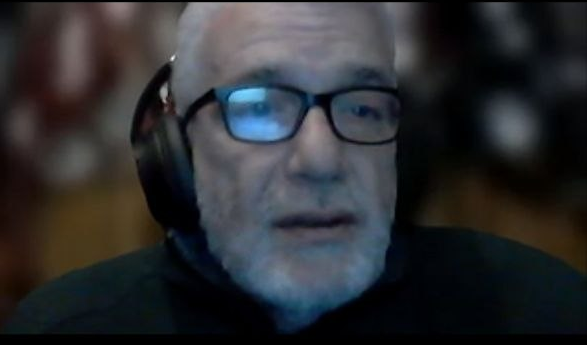
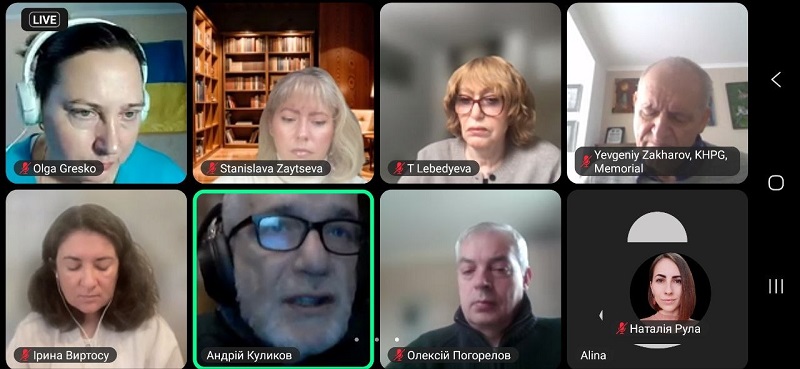
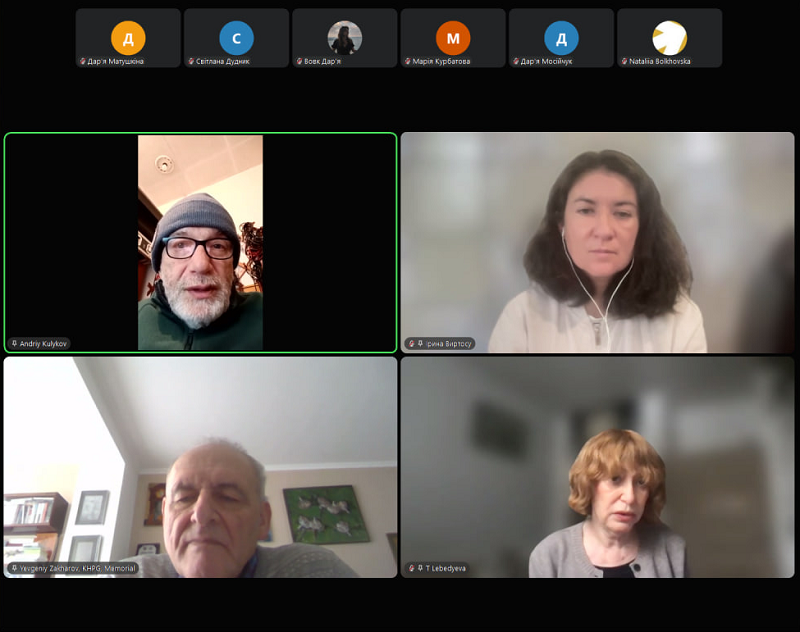
24 листопада відбулася онлайн-майстерня голови Комісії з журналістської етики, медіаексперта Андрія Куликова на тему «Висвітлення правозахисної тематики та журналістика прав людини». До неї традиційно долучилися викладачі та студенти-журналісти соціально-гуманітарного факультету Бердянського державного педагогічного університету. Як розповісти і донести інформацію про порушення прав людини? Що має знати журналіст, щоб поговорити з людиною про пережите й не нашкодити їй? Саме ці питання стали об’єктом обговорення.
Вибір співрозмовників Андрій Куликов пояснив через порівняння: «Говорити про овес потрібно з коняками, а про правозахисну практику – із правозахисниками». Тому до розмови були запрошені експерти Ірина Виртосу, членкиня правління Центру прав людини ZMINA, та Євген Захаров, директор Харківської правозахисної групи.
Історія в матеріалі розповідається «тут і зараз», але людина живе з нею далі. Журналіст завершить свій матеріал, а наслідки публікації можуть позначитися на повсякденному житті людини. Тому людиноцентричний підхід, на якому наголосила Ірина Виртосу, передбачає поінформовану згоду. Це означає, що людина розуміє, де опублікують її історію, хто зможе її побачити і як на публікацію можуть відреагувати читачі. У стані шоку людина прагне якнайшвидше розповісти про порушення своїх прав, ще не усвідомлюючи можливих наслідків. Усі ці нюанси потрібно проговорити разом із людиною і лише потім отримати її згоду. Людина має право відмовитися.
Євген Захаров під час виступу звернув увагу на те, якої підготовки потребує журналіст, коли береться за чутливу тему. Один із його прикладів стосувався людей у полоні. Навіть якщо журналіст не назве імені людини, окремі подробиці можуть її видати. За словами Захарова, про те, що відбувається з людьми в полоні, потрібно говорити і в Україні, і за кордоном. Тому важливо зважити, які саме матеріали та подробиці можна оприлюднити, дотримуючись головного принципу «не нашкодь». Щоб аналізувати дотримання певного права, журналістові потрібно знати, як його захищають в Україні та якою є практика в інших країнах.
Під час майстерні учасників запитали, чи готують вони матеріали до 3 грудня – Міжнародного дня людей з інвалідністю. У зв’язку з цим Андрій Куликов зауважив, що розмову про права людини часто відкладають саме до таких дат. Проте журналіст може привернути увагу до теми й тоді, коли хор голосів довкола пам’ятної дати вже стих.
Такі зустрічі особливо цінні для майбутніх журналістів. Студенти мають змогу почути практиків, які щодня працюють із правозахисною тематикою, і побачити, як етичні принципи працюють у реальній журналістській роботі. Поради про поінформовану згоду, увагу до деталей і принцип «не нашкодь» знадобляться кожному і кожній, хто колись розповідатиме чужу історію.
Мілана Немченко,
здобувачка вищої освіти
спеціальності С7 Журналістика
“Do No Harm”: What Should Journalists Consider When Telling Someone Else’s Story?
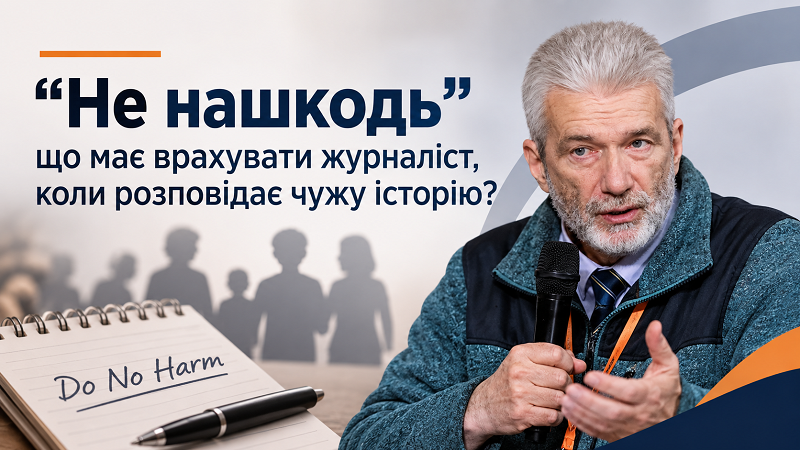
On November 24, an online workshop entitled “Reporting on Human Rights Issues and Human Rights Journalism” was held by Andrii Kulikov, Chair of the Commission on Journalistic Ethics and a media expert. As usual, the event brought together lecturers and journalism students from the Faculty of Social Sciences and Humanities at Berdyansk State Pedagogical University. How can journalists report on human rights violations and communicate such information effectively? What should journalists know before interviewing someone about their traumatic experiences to avoid causing further harm? These were the key questions discussed during the workshop.
Andrii Kulikov explained his choice of speakers with a comparison: “If you want to talk about oats, you should talk to horses; if you want to discuss human rights practices, you should talk to human rights defenders.” The invited experts were Iryna Vyrtosu, a member of the Board of the ZMINA Human Rights Centre, and Yevhen Zakharov, Director of the Kharkiv Human Rights Protection Group.
A story is told “here and now”, but the person whose experience is being shared continues to live with it long after publication. A journalist may finish their article, but its consequences can affect a person’s everyday life. That is why a human-centred approach, emphasised by Iryna Vyrtosu, requires informed consent. This means that the person understands where their story will be published, who will be able to see it, and how readers might respond to the publication. When in shock, people may be eager to speak about violations of their rights as soon as possible, without fully realising the potential consequences. All these aspects should be discussed with the person before obtaining their consent. Everyone has the right to refuse.
During his presentation, Yevhen Zakharov highlighted the preparation journalists need when tackling sensitive topics. One of his examples concerned people held in captivity. Even if a journalist does not reveal someone’s name, certain details may still make that person identifiable. According to Zakharov, it is important to speak about what happens to people in captivity, both in Ukraine and abroad. Therefore, journalists must carefully consider which materials and details can be made public, while adhering to the fundamental principle of “do no harm”. To analyse whether a particular human right is being upheld, journalists need to understand how it is protected in Ukraine and what practices are applied in other countries.
During the workshop, participants were asked whether they were preparing any stories for December 3, the International Day of Persons with Disabilities. In this regard, Andrii Kulikov noted that discussions about human rights are often postponed until commemorative dates. However, journalists can draw attention to an issue even after the chorus of voices surrounding a particular awareness day has faded.
Such meetings are particularly valuable for future journalists. Students have an opportunity to learn from professionals who work with human rights issues every day and to see how ethical principles are applied in real-life journalism. Advice on informed consent, attention to detail, and the principle of “do no harm” will be valuable to anyone who may one day tell someone else’s story.
Milana Nemchenko,
Higher Education Student
Specialty C7 Journalism
