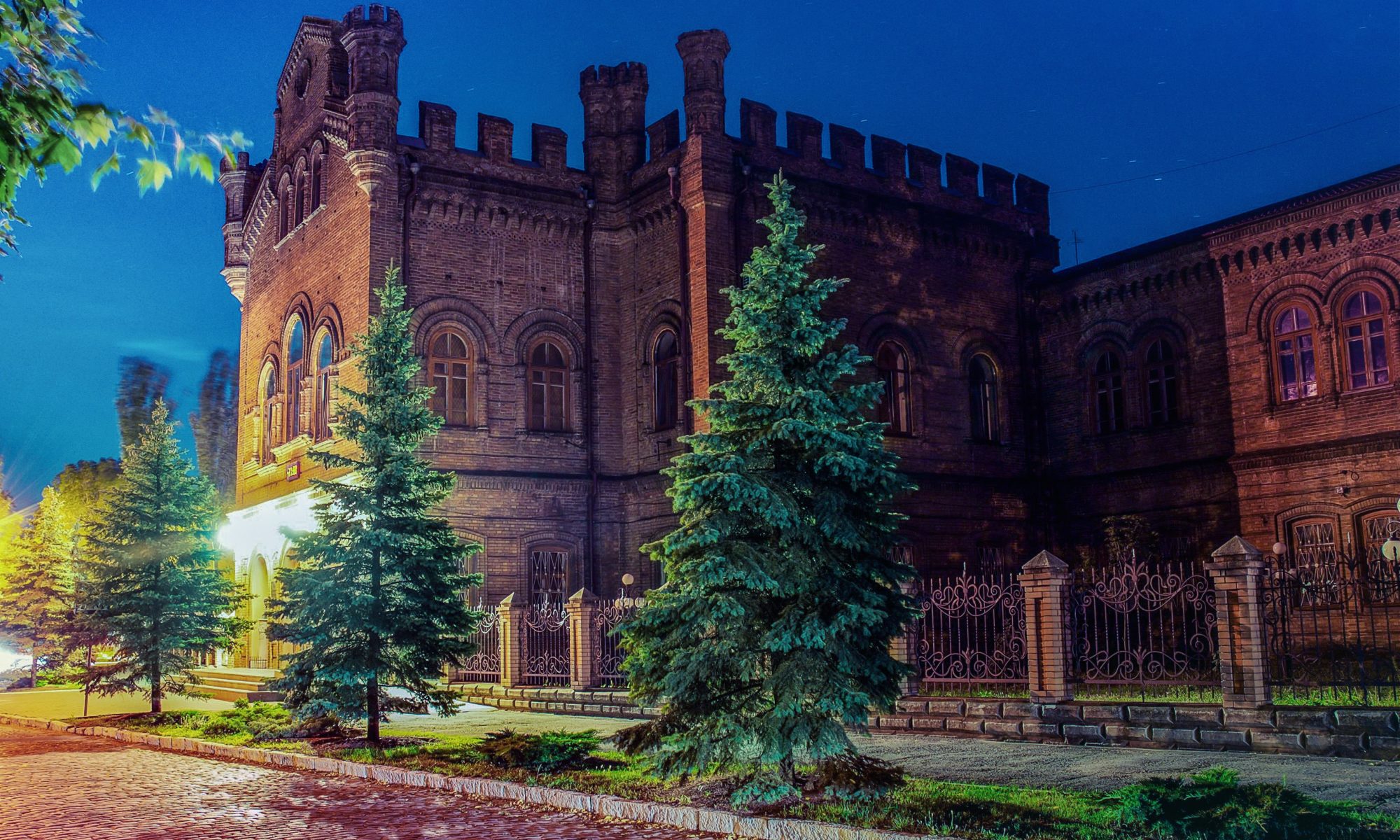
Сучасні безпілотні системи — це не просто тренд, а один із найдинамічніших напрямів сучасної інженерії, що об’єднує програмування, фізику, електротехніку, електроніку та робототехніку. Саме знайомству з цими технологіями був присвячений «Техно-інтенсив: STEM-практикум із безпілотних систем», що відбувся в рамках Тижня технологічної освіти на кафедрі професійної освіти та технологій. Захід об’єднав здобувачів освіти й викладачів факультету фізико-математичної, комп’ютерної та технологічної освіти навколо актуальних питань сучасної інженерії та методики STEM-навчання.
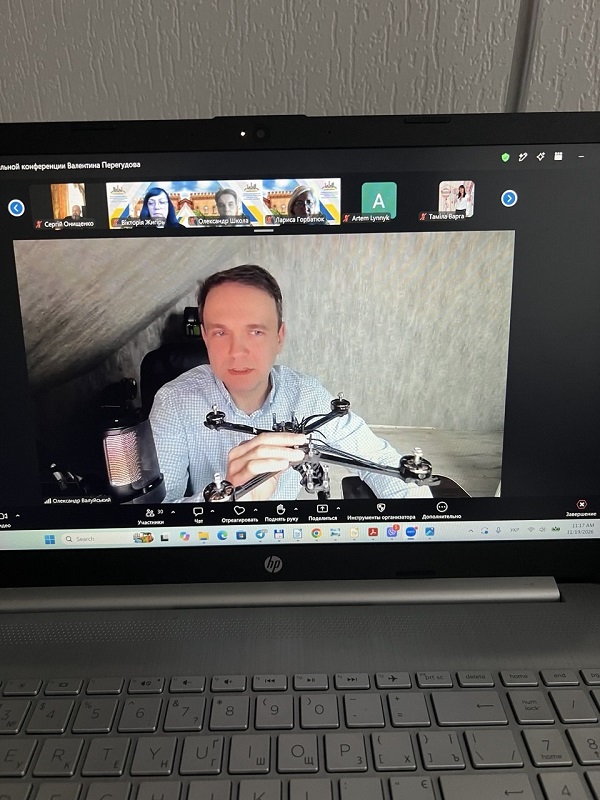
Спікер заходу Олександр Валуйський (група м1Т-з), що здобуває другу вищу освіту, працює вчителем STEM у Верхівцевському Ліцеї №1 Верхівцевської міської ради і безпосередньо на уроках разом з учнями 6–9 класів збирає справжні безпілотні літальні апарати.
Головна мета практикуму полягала в тому, щоб показати учасникам, як шкільні знання з математики, фізики та інформатики працюють у реальних інженерних задачах. Особливістю STEM-практикуму стала інженерна синергія, коли на реальних прикладах було продемонстровано, як навіть найменша помилка в розрахунках живлення чи налаштуванні контролера впливає на поведінку дрона в повітрі.
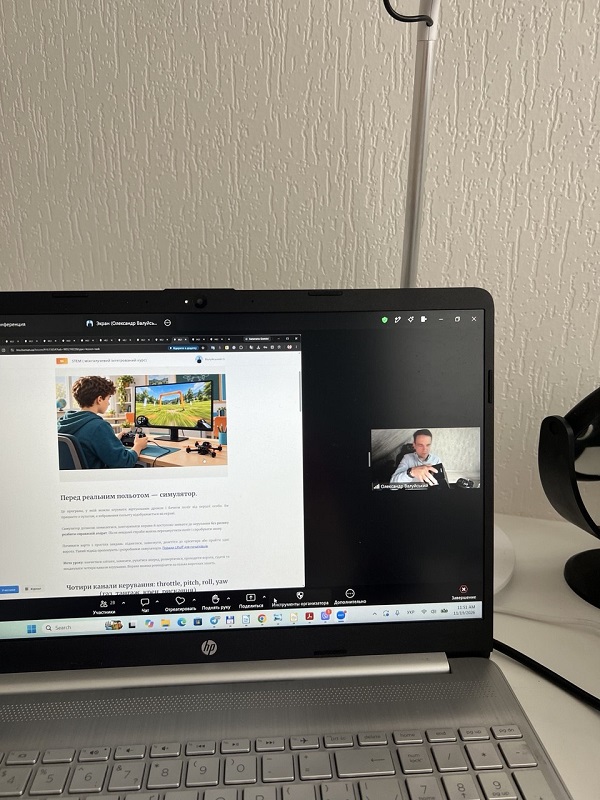
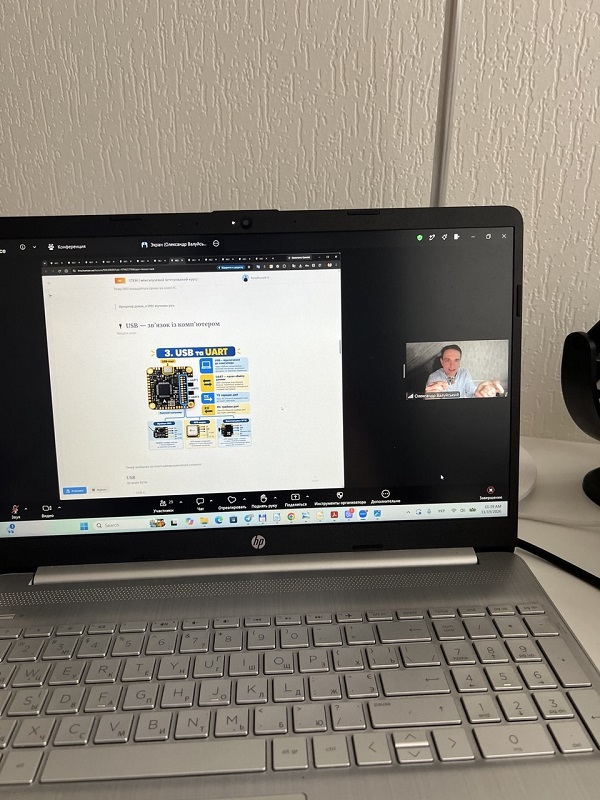
Програма заходу охоплювала повний цикл роботи з безпілотними літальними апаратами (БПЛА) – від теорії до реального пілотування: конструкція та аеродинаміка (будова сучасного дрона, фізика польоту, підбір моторів і пропелерів, секрети стабілізації у повітрі); електротехніка та живлення (розрахунок напруги, струму й потужності, робота з акумуляторами та регуляторами обертів (ESC)); FC польотний контролер «мозок» та зв’язок (будова польотного контролера, принципи керування з пульта та знайомство з технологією FPV); симуляція та сервіс (тренування на FPV-симуляторах, тонке налаштування апаратів і діагностика несправностей).
Захід завершився жвавим обговоренням та сесією запитань-відповідей. Учасники переконалися, що сучасна інженерія доступна кожному, хто готовий експериментувати. «Техно-інтенсив» залишив по собі нові ідеї для майбутніх проєктів та головний інсайт: шлях у великі технології може починатися просто за шкільною партою.
Завідувач кафедри професійної освіти та технологій
Валентина Перегудова
Techno-intensive: STEM workshop on unmanned systems
Modern unmanned systems are not merely a trend, but one of the most dynamic fields of contemporary engineering, uniting programming, physics, electrical engineering, electronics, and robotics. Introducing participants to these technologies was the focus of the “Techno-Intensive: STEM Workshop on Unmanned Systems,” held as part of Technology Education Week at the Department of Vocational Education and Technologies. The event brought together students and faculty of the Faculty of Physics, Mathematics, Computer, and Technological Education around pressing issues of modern engineering and STEM teaching methodology.
The speaker of the event, Oleksandr Valuiskyi (group m1T-z), who is pursuing a second higher education degree, works as a STEM teacher at Verkhivtseve Lyceum No. 1 of the Verkhivtseve City Council and builds real unmanned aerial vehicles directly in class with students in grades 6–9.
The main goal of the workshop was to show participants how school knowledge of mathematics, physics, and computer science works in real engineering tasks. A distinctive feature of the STEM workshop was engineering synergy, demonstrating through real-life examples how even the slightest error in power calculations or controller configuration affects a drone’s behavior in the air.
The event program covered the full cycle of working with unmanned aerial vehicles (UAVs) – from theory to actual piloting: Design and Aerodynamics (structure of a modern drone, physics of flight, selection of motors and propellers, and secrets of mid-air stabilization); Electrical Engineering and Power (calculation of voltage, current, and power, as well as working with batteries and electronic speed controllers (ESCs)); Flight Controller (FC) “Brain” and Communication (structure of the flight controller, principles of remote control operation, and an introduction to FPV technology); Simulation and Maintenance (training on FPV simulators, fine-tuning of devices, and troubleshooting).
The event concluded with a lively discussion and a Q&A session. Participants saw firsthand that modern engineering is accessible to anyone willing to experiment. The “Techno-Intensive” left behind new ideas for future projects and a key insight: the path to advanced technologies can begin right at a school desk.
Head of the Department of Vocational Education and Technologies
Valentyna Peregudova
