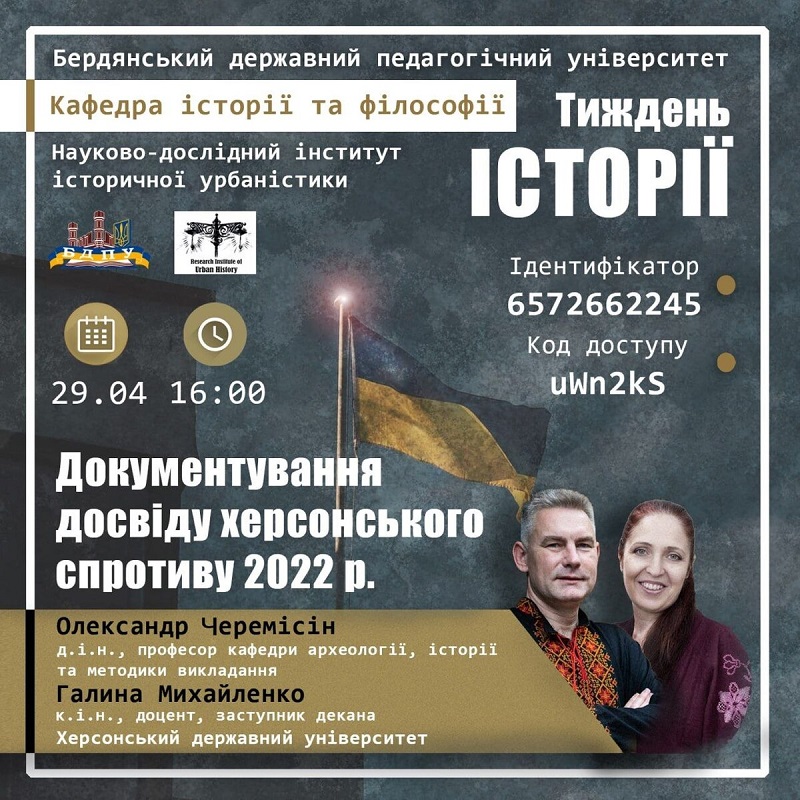
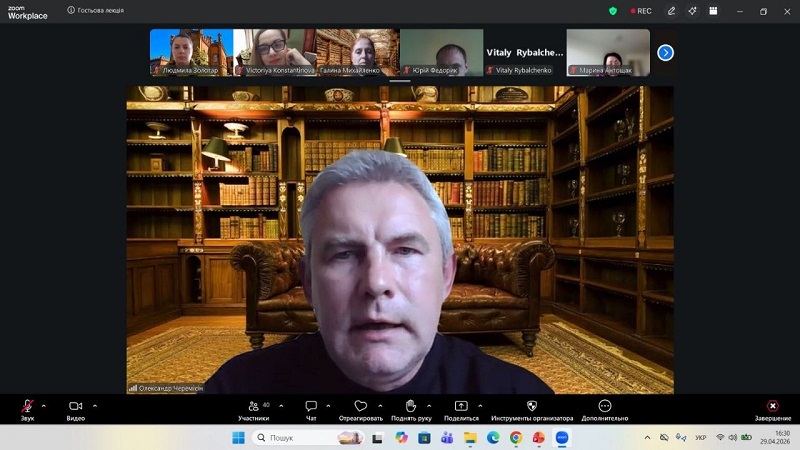
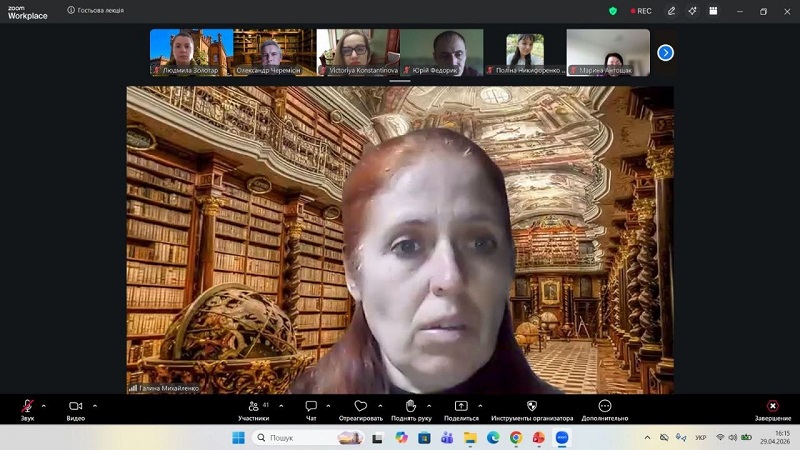
29 квітня 2026 року Тиждень історії в Бердянському державному педагогічному університеті продовжився ґрунтовною оповіддю про досвід виживання і боротьби на Півдні України. Другий день Тижня історії був присвячений презентації масштабного проєкту науковців Херсонського державного університету – доктора історичних наук, професора кафедри археології, історії та методики викладання Олександра Черемісіна та кандидатки історичних наук, доцентки, заступниці декана факультету психології, історії та соціології Галини Михайленко.
Захід традиційно розпочався з хвилини скорботи за загиблими захисниками та мирними мешканцями. Основу зустрічі склали результати інтерв’ю з мешканцями правобережної Херсонщини. Дослідники зафіксували свідчення людей із різних районів міста та околиць, зокрема тих, які пам’ятали події в Бузковому парку, де в перші дні війни загинули бійці херсонської тероборони, ситуацію біля Антонівського мосту та феномен Чорнобаївки.
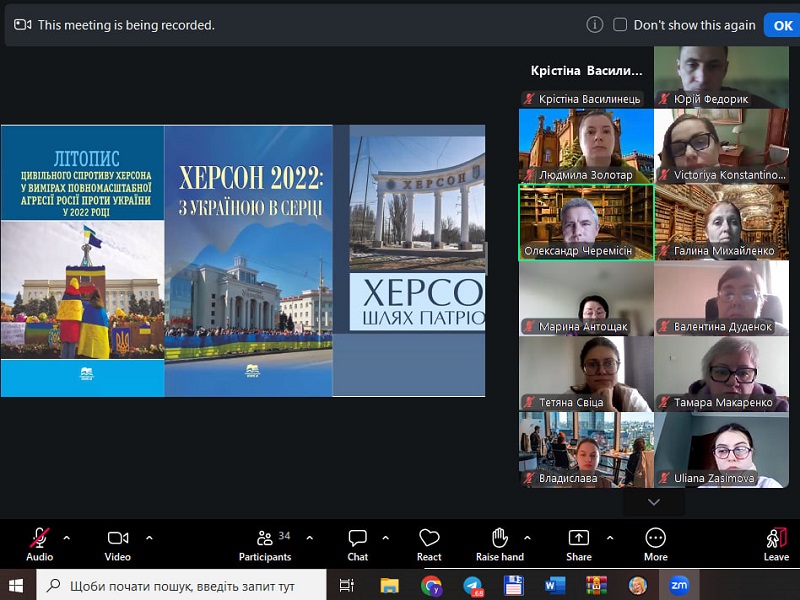
Важливим моментом зустрічі стала демонстрація видань, які стали результатом цієї багатомісячної роботи. Гості показали книги-літописи, зокрема «Літопис цивільного спротиву Херсона у вимірах повномасштабної агресії Росії проти України у 2022 році» та «Херсон 2022: з Україною в серці», які фактично є першою системною спробою зафіксувати живу історію спротиву мешканців Херсонщини на папері. Ці праці містять сотні сторінок унікальних свідчень, що перетворюють особисті спогади на друковані історичні джерела.
Під час роздумів про методологію та практичну сторону проєкту, гості зустрічі поділилися кількома важливими деталями. Так, відповідаючи на питання про відмови під час інтерв’ювання, автори зазначили, що насправді їх було небагато. Цікаво, що саме вихід у світ перших книг став найкращою рекомендацією: респонденти, які раніше вагалися, вбачаючи серйозність та ґрунтовність опублікованих праць, згодом виявляли бажання поділитися спогадами, щоб зафіксувати їх для майбутніх поколінь. Також, гості згадували, що на відміну від журналістів, з якими у мешканців подекуди був негативний досвід через «нарізки» та фрагментарність відзнятого матеріалу, історики обрали шлях структурованого інтерв’ю, що дозволило встановити довіру з респондентами та зафіксувати цілісні історії окупації, не втрачаючи важливих деталей і живого контексту подій.
Окреме питання аудиторії стосувалося потенційного виходу цих досліджень на міжнародну арену, щодо чого Олександр Черемісін поділився прикрим спостереженням: попри декларації про підтримку, західні видавництва (зокрема у Великій Британії та Австралії) нерідко виявляють «дипломатичну обережність», відмовляючись публікувати свідчення через їхню нібито «надмірну емоційність». Цей парадокс, який виглядає як спроба сховатися за ширмою штучного гуманізму, насправді являє собою небажання бачити війну в її справжній, нестерпній жорстокості – тій самій реальності, яку українське суспільство щодня проживає в житті, не маючи права «заплющити очі», тоді як закордонна амбівалентність де-факто стає інструментом витіснення незручної правди.
Завершуючи другий день зустрічей, учасники дійшли спільного висновку: усна історія сьогодні є не просто науковим методом, а потужною зброєю, що перетворює біль на пам’ять, а пам’ять – на фундамент нашої Перемоги. Попри всі виклики, робота херсонських колег доводить, що голос правди неможливо заглушити, а тяглість українського спротиву, зафіксована у книгах, надихає продовжувати боротьбу. Як влучно підсумували гості: «Будемо жити й працювати. Робота не зупиняється…», залишаючи аудиторію з відчуттям незламності та вірою у те, що кожен збережений голос наближає нас до справедливого майбутнього.
За матеріалами кафедри історії та філософії
Kherson Historians at BSPU: Presentation of the Chronicle of Resistance and Narratives of War
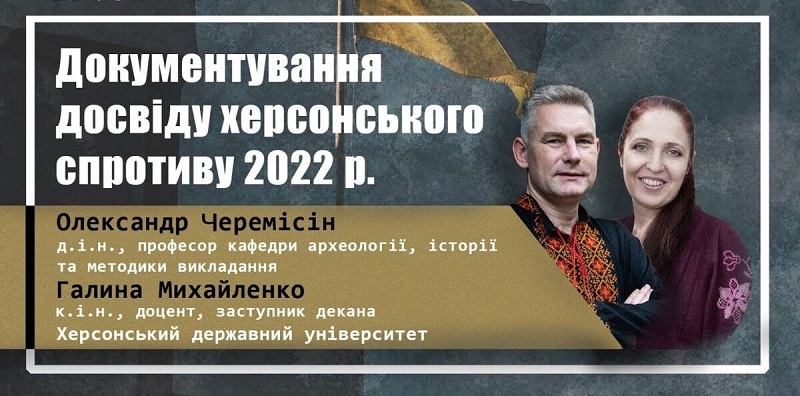
On April 29, 2026, History Week at Berdyansk State Pedagogical University continued with a profound narrative of survival and struggle in Southern Ukraine. The second day of History Week was dedicated to the presentation of a large-scale project by scholars from Kherson State University: Dr. Oleksandr Cheremisin, Doctor of Historical Sciences, Professor of the Department of Archaeology, History, and Teaching Methods; and Dr. Halyna Mykhailenko, Candidate of Historical Sciences, Associate Professor, and Deputy Dean of the Faculty of Psychology, History, and Sociology.
The event traditionally began with a minute of silence to honor fallen defenders and civilians. The core of the meeting consisted of the results of in-depth interviews with residents of the right-bank Kherson region. The researchers recorded testimonies from various districts of the city and its surroundings, including residents who witnessed the events in Buzovyi Park, where Kherson territorial defense fighters perished in the first days of the war, the situation near the Antonivka Bridge, and the phenomenon of Chornobaivka.
A key highlight of the meeting was the demonstration of publications resulting from this months-long work. The guests presented chronicle books, specifically “The Chronicle of Civil Resistance of Kherson in the Dimensions of Russia’s Full-Scale Aggression Against Ukraine in 2022″ and “Kherson 2022: With Ukraine in the Heart”. These works represent the first systematic attempt to document the living history of the Kherson region’s resistance on paper. These volumes contain hundreds of pages of unique testimonies, transforming personal memories into printed historical sources.
During reflections on the methodology and practical side of the project, the guest speakers shared several important details. Responding to questions about refusals during the interviewing process, the authors noted that there were actually very few. Interestingly, the publication of the first books served as the best recommendation: respondents who had previously hesitated, seeing the seriousness and thoroughness of the published works, later expressed a desire to share their memories to preserve them for future generations. The guests also mentioned that, unlike journalists – with whom residents sometimes had negative experiences due to “soundbites” and the fragmented nature of filmed material—the historians chose the path of structured interviews. This approach established trust with respondents and allowed for the recording of coherent stories of the occupation without losing vital details or the living context of the events.
A specific and challenging question from the audience concerned the potential international outreach of these studies. Oleksandr Cheremisin shared a poignant observation: despite declarations of support, Western publishers (particularly in Great Britain and Australia) often display “diplomatic caution,” refusing to publish testimonies due to their supposed “excessive emotionality.” This paradox, which appears as an attempt to hide behind a veil of artificial humanism, actually represents a reluctance to see the war in its true, unbearable cruelty – the very reality that Ukrainian society lives through every day without the right to “close its eyes,” while international ambivalence de facto becomes a tool for displacing the uncomfortable truth.
Closing the second day of meetings, the participants reached a common conclusion: today, oral history is not merely a scientific method but a powerful weapon that transforms pain into memory, and memory into the foundation of our Victory. Despite all challenges, the work of our Kherson colleagues proves that the voice of truth cannot be silenced, and the continuity of Ukrainian resistance, captured in these books, inspires the continued struggle. As the guests aptly concluded: “We will live and work. The work does not stop…”, leaving the audience with a sense of resilience and the belief that every preserved voice brings us closer to a just future.
Based on materials from the Department of History and Philosophy
