Нова вчителька математики, запитавши клас, хто такі Ньютон і Лейбніц, отримала відповідь, що це сучасний гурт – дует співаків, у якому обидва ще й мають нетрадиційну орієнтацію!
Вся в шоці та сльозах, математичка біжить до завуча і докладно розповідає про те, що сталося. Завуч, уважно вислухавши: «Ну, що Ви так переживаєте?! Діти не зобов’язані знати напам’ять імена всіх закордонних футболістів!»
У вчительки ще більший шок, прибігши до директора, розповідає йому про те, що їй відповів завуч. Директор: «Господи, ну подумаєш, переплутав наш завуч голлівудських акторів із футболістами, що тут страшного!»
Минулого разу ми згадали математичну спадщину П’єра де Ферма, а сьогодні, у черговий раз у межах роботи математичного гуртка факультету ФМКТО БДПУ відбулося захопливе заняття, присвячене універсальному генію Готфріду Вільгельму Лейбніцу – людині, яка прагнула інтегрувати весь світ ідей у єдину систему.
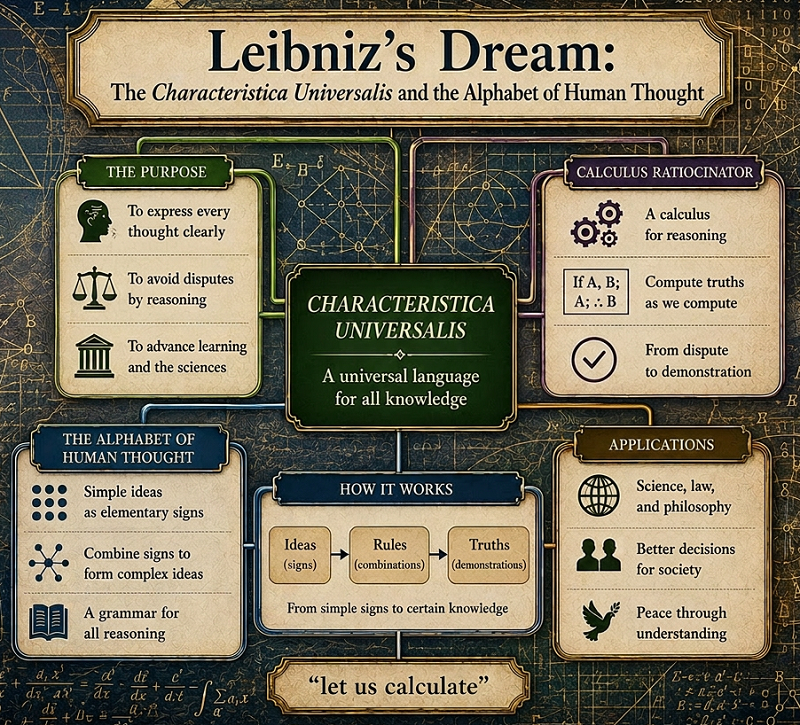
Учасники занурились у світ останнього «універсального генія» – математика, чия мрія про універсальну характеристику стала провісником цифрової ери. Заняття показало, як девіз Лейбніца «Обчислимо!» перетворив складні філософські суперечки на точні логічні розрахунки, заклавши концептуальний фундамент для майбутнього розвитку штучного інтелекту.
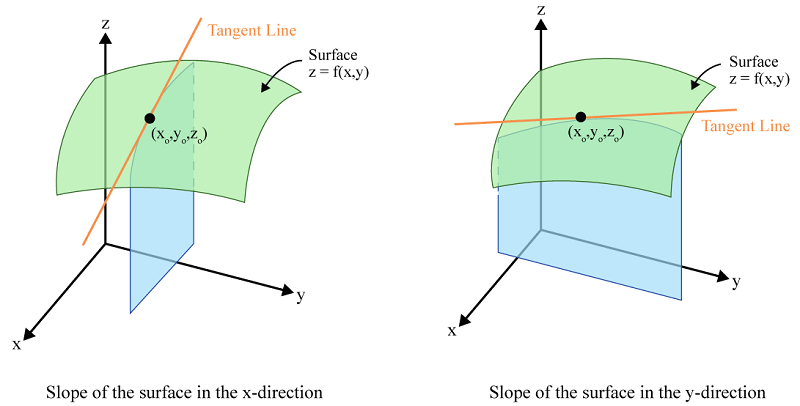
Основну увагу було зосереджено на створенні математичного аналізу та еволюції його символіки. Учасники розглянули, як введені Лейбніцем позначення диференціала та інтеграла стали універсальною мовою науки, обговорили розвиток аналізу багатьох змінних, концепцію повного диференціала та інтегральне правило Лейбніца, що дозволяє виконувати диференціювання у складних системах.
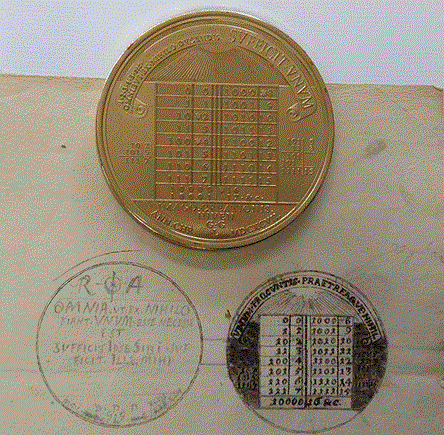
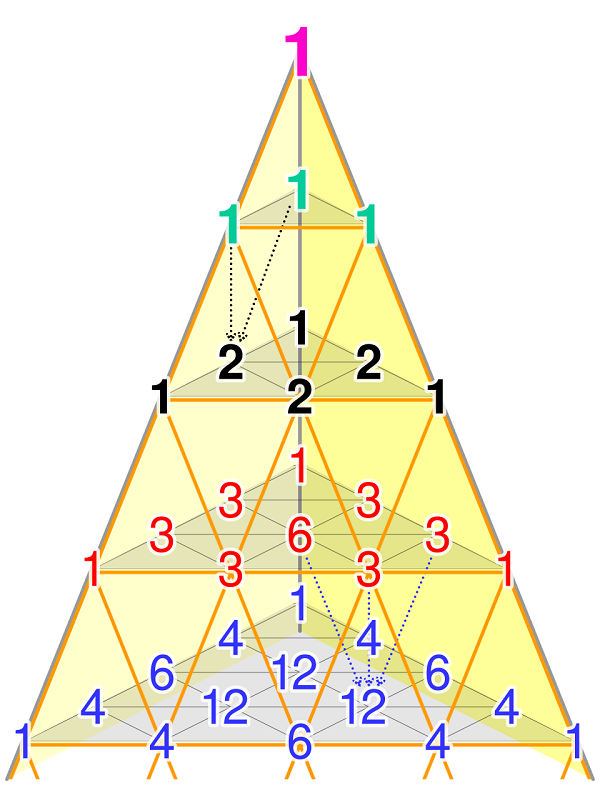
Окрім того, здобувачі освіти ознайомились із бінарною системою числення – логічною основою сучасних комп’ютерів, та дізналися про «ступінчастий валик» Лейбніца, який ліг в основу першого механічного калькулятора. Особливий інтерес викликали комбінаторні дослідження вченого, його ранні ідеї в теорії детермінантів та розв’язання фізичних задач про форму ланцюгової лінії та криву найшвидшого спуску – брахістохрону.
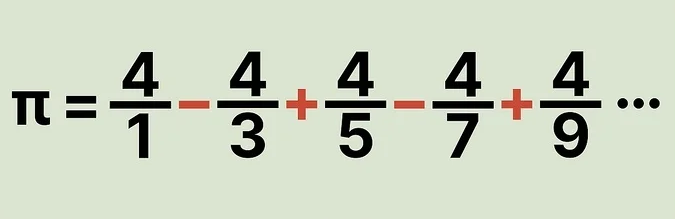
Заняття ще раз продемонструвало, як математичні ідеї Лейбніца – від методу скінченних різниць до нескінченних рядів – зуміли об’єднати найскладніші розділи знань. Учасники побачили, що філософська теорія монад Лейбніца з її ідеєю самоподібності світу знаходить своє підтвердження у сучасних фрактальних структурах, а його віра у «кращий із можливих світів» втілилася у фундаментальному фізичному принципі найменшої дії.
Такі зустрічі нагадують нам, що математика – це не лише набір обчислювальних технік, а цілісна архітектура мислення. Шлях від механічного калькулятора до теорії монад відкриває нам глибинну гармонію Всесвіту, створеного за законами великого Божественного обчислення.
Повна версія: Від механічного калькулятора до теорії монад: універсальний розум Лейбніца в інтегруванні світу ідей
За матеріалами кафедри фізики, математики
та методики навчання
From the Mechanical Calculator to the Theory of Monads: Leibniz’s Universal Mind in Integrating the World of Ideas
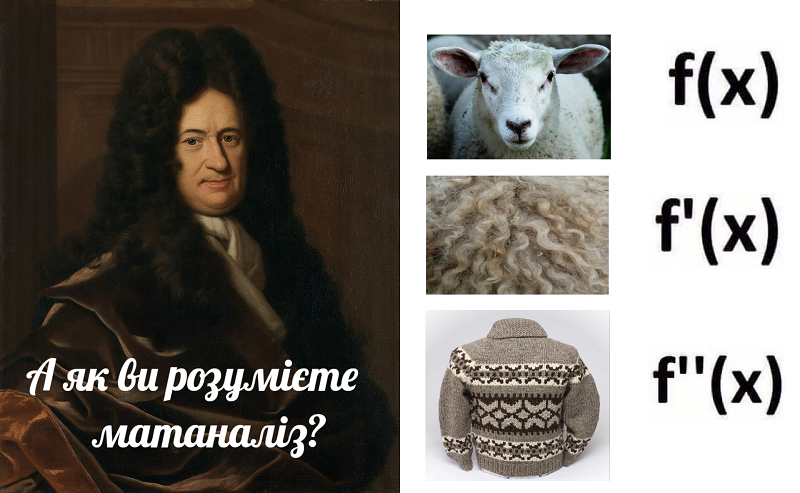
A new math teacher asked her class who Newton and Leibniz were. She received an answer that they are a modern pop duo – a singing pair where both members also happen to be gay!
Completely shocked and in tears, the teacher ran to the vice-principal and described the situation in detail. The vice-principal, after listening carefully, replied: “Oh, why are you so upset?! Children aren’t required to know the names of every foreign football player by heart!”
The teacher was in even greater shock. She rushed to the principal’s office and told him what the vice-principal had said. The principal sighed: “Good heavens, so our vice-principal confused Hollywood actors with footballers – what’s the big deal!”
Last time, we recalled the mathematical legacy of Pierre de Fermat, and today, once again within the framework of the mathematics club of the FMKTO Faculty at BSPU, a fascinating session was held dedicated to the universal genius Gottfried Wilhelm Leibniz – a man who sought to integrate the entire world of ideas into a single system.
Participants immersed themselves in the world of the “last universal genius” – a mathematician whose dream of a universal characteristic became a harbinger of the digital era. The session demonstrated how Leibniz’s motto, “Calculemus!” (Let us calculate), transformed complex philosophical disputes into precise logical calculations, laying the conceptual foundation for the future development of artificial intelligence.
The main focus was on the creation of mathematical analysis and the evolution of its symbolism. Participants explored how the notation for the differential and the integral introduced by Leibniz became the universal language of science. They also discussed the development of multivariable calculus, the concept of the total differential, and the Leibniz integral rule, which allows for differentiation within complex systems.
Furthermore, the students were introduced to the binary number system – the logical basis of modern computers – and learned about Leibniz’s “stepped reckoner”, which served as the foundation for the first mechanical calculator. Particular interest was sparked by the scientist’s combinatorial research, his early ideas in determinant theory, and the solutions to physical problems regarding the shape of the catenary and the curve of fastest descent – the brachistochrone.
The session once again demonstrated how Leibniz’s mathematical ideas – from the method of finite differences to infinite series – managed to unite the most complex branches of knowledge. Participants saw that Leibniz’s philosophical theory of monads, with its idea of cosmic self-similarity, finds its confirmation in modern fractal structures, and his belief in the “best of all possible worlds” was embodied in the fundamental physical principle of least action.
Such meetings remind us that mathematics is not just a collection of computational techniques, but a complete architecture of thought. The journey from a mechanical calculator to the theory of monads reveals the deep harmony of the Universe, created according to the laws of a great Divine calculation.
Full version: From the Mechanical Calculator to the Theory of Monads: Leibniz’s Universal Mind in Integrating the World of Ideas
