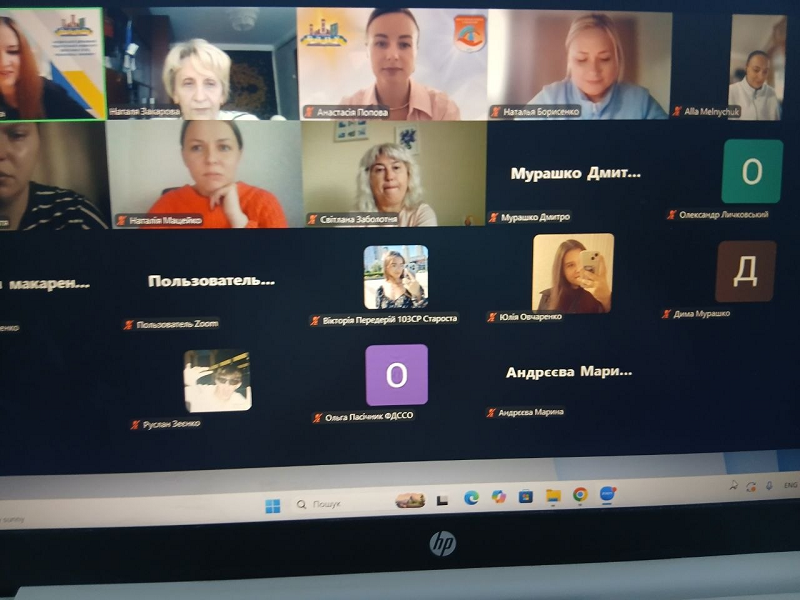
1 жовтня 2026 року на кафедрі соціальної роботи та інклюзивної освіти Бердянського державного педагогічного університету відбулася зустріч-знайомство зі здобувачами першого курсу бакалаврських освітньо-професійних програм «Соціально-психологічна підтримка життєстійкості» та «Соціальна робота та соціальна педагогіка». Зустріч стала першим кроком до усвідомленого входження першокурсників в університетське середовище та професійну спільноту майбутніх соціальних працівників.
Цього разу знайомство з кафедрою свідомо вийшло за межі традиційної організаційної зустрічі. Важливо було не лише розповісти здобувачам, де знайти розклад або навчальні матеріали, а насамперед допомогти їм побачити цілісну картину майбутніх чотирьох років: чого вони навчатимуться, як теоретична підготовка поступово поєднуватиметься з практичною, які можливості матимуть для професійного розвитку та якою є їхня власна роль у забезпеченні якості освіти.
Особливу увагу приділили знайомству з освітніми програмами. Здобувачі побачили свій освітній маршрут від першого до четвертого курсу: обов’язкові освітні компоненти, практики, курсові роботи, вибіркову складову, підготовку кваліфікаційної роботи та підсумкову атестацію. При цьому кожна програма має власний професійний акцент. ОПП «Соціально-психологічна підтримка життєстійкості» орієнтує здобувачів, зокрема, на опанування інструментів підтримки життєстійкості, роботи в умовах кризи та відновлення, ресурсно-орієнтованої психодіагностики, кризового консультування та психокорекції. ОПП «Соціальна робота та соціальна педагогіка» інтегрує підготовку із соціальної роботи та соціальної педагогіки й спрямована на соціально-педагогічну підтримку дітей, молоді, сімей і громад, профілактику соціальних ризиків, підтримку соціалізації, професійного самовизначення та соціальної інтеграції.
Окремий акцент зробили на практичній підготовці та можливості формувати індивідуальну освітню траєкторію. Першокурсникам пояснили, що практика супроводжуватиме їх упродовж різних етапів навчання, поступово наближаючи від першого професійного знайомства до самостійнішої роботи в установах та організаціях соціальної й освітньої сфер. Не менш важливо, що частину освітнього маршруту здобувач формує самостійно, а отже вибір дисциплін є реальним інструментом урахування власних професійних інтересів.
Важливою частиною зустрічі стало знайомство не лише з програмами, а й із людьми, до яких можна і потрібно звертатися. Студентам пояснили роль гаранта освітньої програми: це не просто формальний статус, а відповідальність за цілісність, якість і розвиток ОП, взаємодію зі здобувачами та іншими стейкхолдерами. Для здобувачів денної форми представили куратора академічної групи. Куратор допомагатиме першокурсникам зорієнтуватися в організації освітнього процесу, адаптуватися до університетського середовища та включитися у життя академічної спільноти.
Ще один важливий меседж зустрічі – «Ваш голос впливає на освітню програму». Першокурсники дізналися про опитування здобувачів, можливість висловлювати пропозиції щодо змісту та організації навчання, брати участь в обговоренні освітніх програм і надавати зворотний зв’язок. Студент має бути не пасивним отримувачем освітньої послуги, а партнером: навчатися → оцінювати → пропонувати → бачити результат. Саме така взаємодія допомагає кафедрі отримувати зворотний зв’язок і використовувати його для подальшого вдосконалення освітнього процесу.
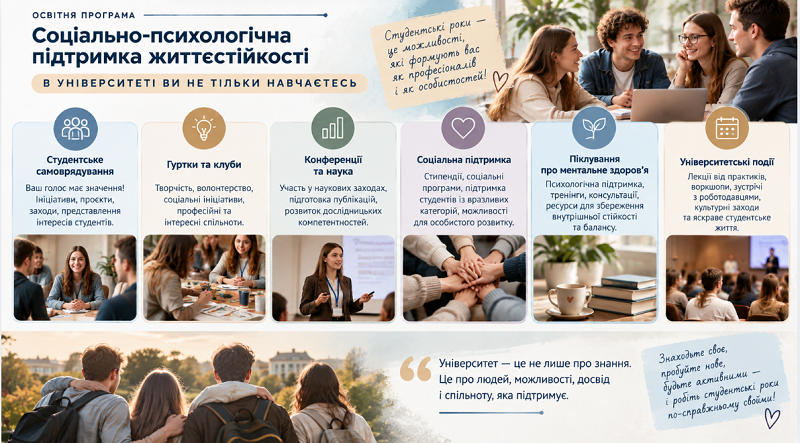
Не залишили першокурсників і без практичних «навігаторів». Обговорили, де знаходити розклад, Moodle, сторінки освітніх програм, електронні ресурси бібліотеки та актуальну університетську інформацію. Водночас наголосили: студентство – це значно більше, ніж заняття за розкладом. Наукова робота, студентське самоврядування, громадські та волонтерські ініціативи, професійні зустрічі, університетські події й додаткові освітні можливості дають змогу вже під час навчання формувати власний професійний досвід.
Завершили зустріч думкою, особливо важливою саме на старті: першокурсник не повинен одразу знати все. Не знати – нормально, запитувати – правильно, пропонувати – можна, помилятися – природна частина навчання, а бути активним – це можливість. Попереду чотири роки, протягом яких сьогоднішні першокурсники не лише опановуватимуть професію, а й поступово знаходитимуть власне місце в університетській та професійній спільноті.
Для кафедри соціальної роботи та інклюзивної освіти такі зустрічі – не одноразовий організаційний захід, а складова системної взаємодії зі здобувачами освіти. Від першого курсу студент має розуміти зміст і логіку своєї освітньої програми, можливості вибору, способи комунікації та власну роль у забезпеченні її якості. Адже сучасна освітня програма створюється не лише для студентів, а й разом зі студентами.
За матеріалами кафедри соціальної роботи та інклюзивної освіти
From first introduction to partnership: First-year students begin their educational journey
On 1 October 2026, the Department of Social Work and Inclusive Education at Berdyansk State Pedagogical University held an introductory meeting for first-year Bachelor’s students enrolled in the educational and professional programmes “Socio-Psychological Support for Resilience” and “Social Work and Social Pedagogy.” The meeting marked the first step towards students’ conscious integration into the university environment and the professional community of future social workers.
This time, the introduction to the Department deliberately went beyond a traditional organisational meeting. The aim was not only to tell students where to find their class schedule or learning materials, but, above all, to help them see the bigger picture of the four years ahead: what they will study, how theoretical learning will gradually be combined with practical training, what opportunities they will have for professional development, and what role they themselves can play in ensuring the quality of education.
Particular attention was paid to introducing the students to their educational and professional programmes. First-year students were able to see their entire educational pathway from the first to the fourth year, including compulsory educational components, practical training, course papers, elective components, preparation of the Bachelor’s qualification paper, and final certification.
At the same time, each programme has its own professional focus. The educational and professional programme “Socio-Psychological Support for Resilience” prepares students, among other areas, to master tools for supporting resilience, working in crisis and recovery contexts, resource-oriented psychodiagnostics, crisis counselling, and psychocorrection. The educational and professional programme “Social Work and Social Pedagogy” integrates training in social work and social pedagogy and focuses on socio-pedagogical support for children, young people, families, and communities; prevention of social risks; and support for socialisation, professional self-determination, and social integration.
A separate focus was placed on practical training and opportunities for students to shape their individual educational trajectories. First-year students learned that practical training will accompany them at different stages of their studies, gradually taking them from their first professional experiences to more independent work in institutions and organisations in the social and educational sectors.
Equally important is the fact that students can shape part of their educational pathway themselves: elective components account for 60 ECTS credits, making the choice of courses a genuine tool for pursuing individual professional interests. Thus, students were encouraged from the very beginning to view their education not simply as a fixed curriculum, but as a pathway in which they can make informed choices.
Another important part of the meeting was an introduction not only to the programmes, but also to the people students can and should turn to for support. The role of the programme guarantor was explained to the first-year students. They learned that being a guarantor is not merely a formal status but involves responsibility for the integrity, quality, and development of the educational programme, as well as ongoing interaction with students and other stakeholders.
For full-time students, the academic group tutor. The tutor will help first-year students navigate the organisation of the educational process, adapt to the university environment, and become actively involved in the life of the academic community.
Another key message of the meeting was: “Your Voice Influences the Educational Programme.” First-year students learned about student surveys, opportunities to submit proposals regarding the content and organisation of their studies, participation in discussions of educational programmes, and different ways of providing feedback.
A student should not be a passive recipient of education but an active partner in the educational process: learn → evaluate → suggest → see the result. Such interaction enables the Department to receive meaningful feedback from students and use it to further improve both the educational programmes and the learning process.
The meeting also provided first-year students with practical navigation tools. They discussed where to find the class schedule, Moodle courses, educational programme webpages, electronic library resources, and up-to-date university information. At the same time, students were reminded that university life is much more than attending scheduled classes. Research activities, student self-government, community and volunteering initiatives, professional meetings, university events, and additional educational opportunities allow students to begin building their own professional experience while still studying.
The meeting concluded with a message that is particularly important at the very beginning of university life: first-year students are not expected to know everything from day one. It is normal not to know; it is right to ask questions; students are welcome to make suggestions; mistakes are a natural part of learning; and being active opens up new opportunities. The next four years will be a time when today’s first-year students will not only master their future profession but will also gradually find their own place within the university and professional communities.
For the Department of Social Work and Inclusive Education, such meetings are not one-off organisational events but an integral part of systematic interaction with students. From their very first year, students should understand the content and logic of their educational programme, the opportunities available to them for making choices, the channels for communication and feedback, and their own role in ensuring the quality of education. After all, a modern educational programme is developed not only for students, but also together with students.
