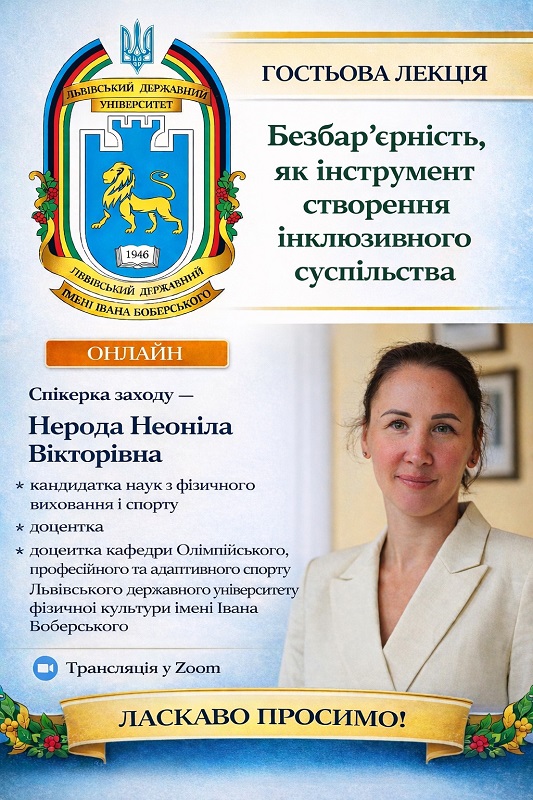
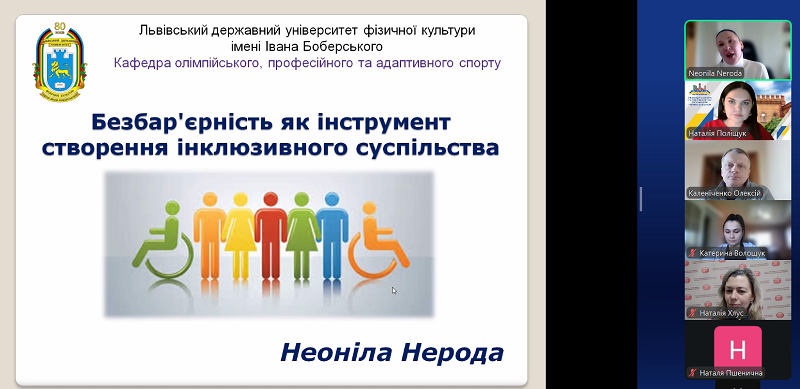
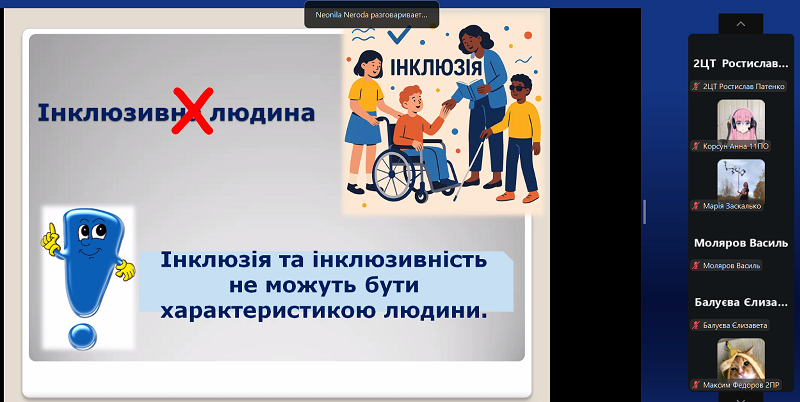
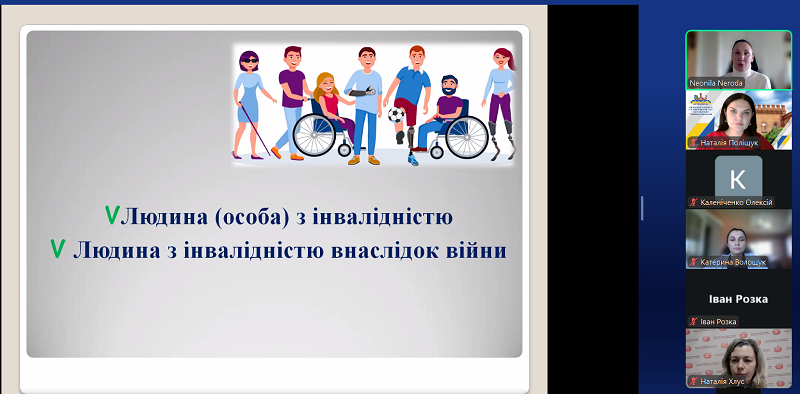
17 квітня для здобувачів освіти відбулася гостьова лекція на тему «Безбар’єрність як інструмент створення інклюзивного суспільства».
Спікеркою заходу стала Нерода Неоніла Вікторівна — кандидатка наук з фізичного виховання і спорту, доцентка, доцентка кафедри теорії спорту та фізичної культури Львівського державного університету фізичної культури імені Івана Боберського.
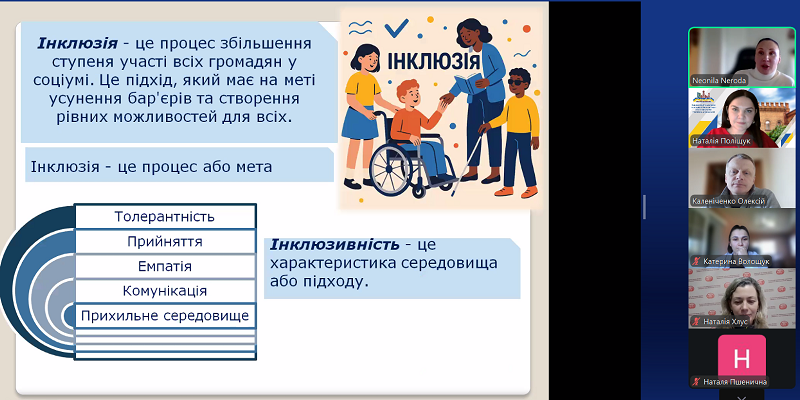
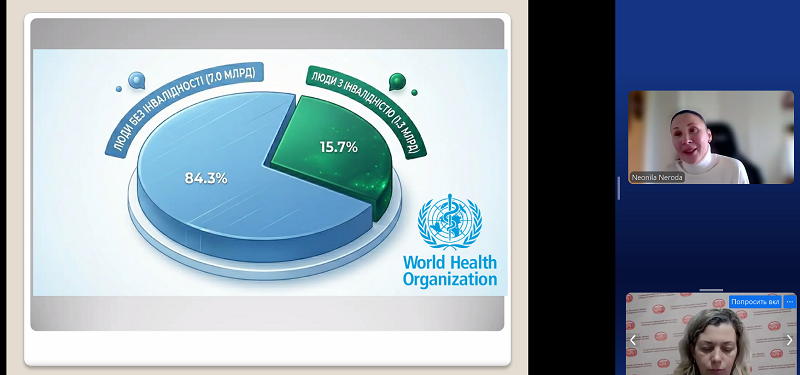
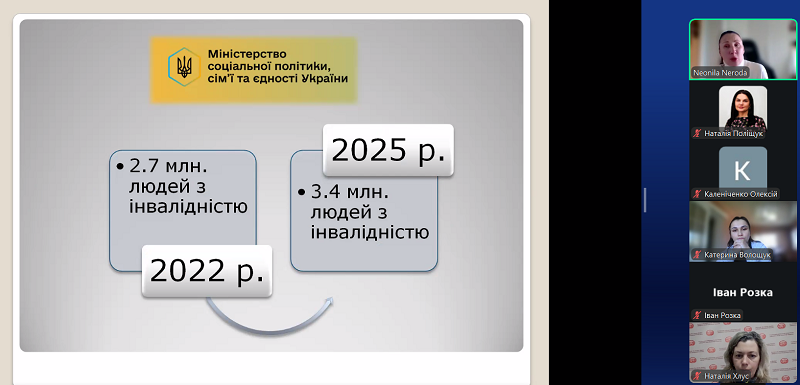
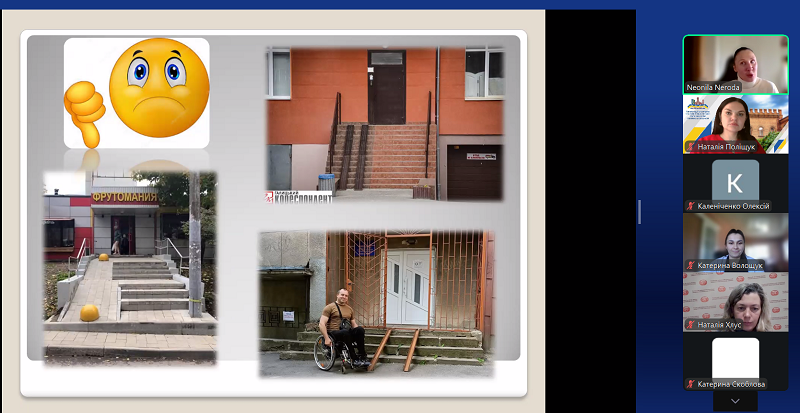
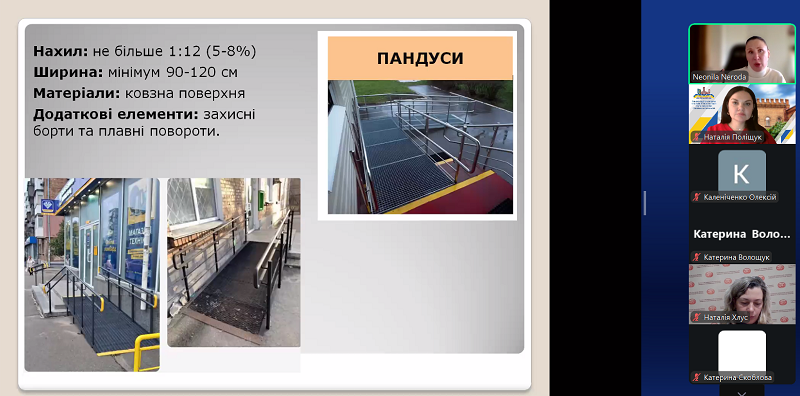
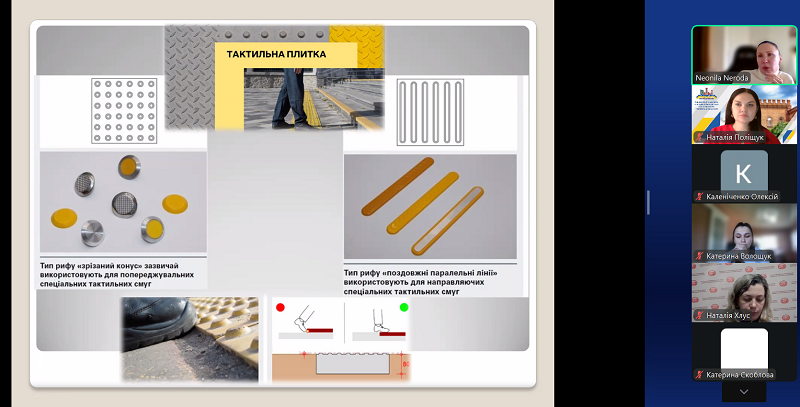
Під час лекції було розглянуто актуальні питання формування безбар’єрного середовища, утвердження цінностей інклюзії, рівних можливостей та суспільної взаємодії в сучасному освітньому й соціальному просторі. Особливу увагу було акцентовано на важливості створення умов, за яких кожна людина матиме можливість повноцінно брати участь у суспільному житті, навчанні, професійній діяльності та комунікації без перешкод і обмежень.
Захід став важливою платформою для професійного обговорення суспільно значущої теми, сприяв розширенню світогляду здобувачів освіти та формуванню розуміння сучасних підходів до побудови інклюзивного середовища.
Щиро дякуємо Неонілі Вікторівні Нероді за змістовну лекцію, відкритість до співпраці, підтримку освітньої спільноти та цінний внесок у формування у здобувачів освіти сучасного бачення безбар’єрності як невід’ємної ознаки демократичного й гуманного суспільства.
Guest Lecture on Accessibility as the Foundation of an Inclusive Society
On April 17, a guest lecture titled “Accessibility as a Tool for Building an Inclusive Society” was held for students.
The speaker of the event was Neonila Viktorivna Neroda, PhD in Physical Education and Sport, Associate Professor, Associate Professor of the Department of Theory of Sport and Physical Culture at Ivan Boberskyi Lviv State University of Physical Culture.
During the lecture, актуальні issues related to the development of a barrier-free environment were discussed, along with the promotion of the values of inclusion, equal opportunities, and social interaction in the modern educational and social space. Particular attention was paid to the importance of creating conditions in which every individual can fully participate in social life, education, professional activities, and communication without barriers or limitations.
The event became an important platform for professional discussion of a socially significant topic, contributing to the broadening of students’ perspectives and fostering an understanding of modern approaches to building an inclusive environment.
We sincerely thank Neonila Viktorivna Neroda for the informative lecture, openness to cooperation, support of the educational community, and valuable contribution to shaping students’ modern understanding of accessibility as an integral feature of a democratic and humane society.
