
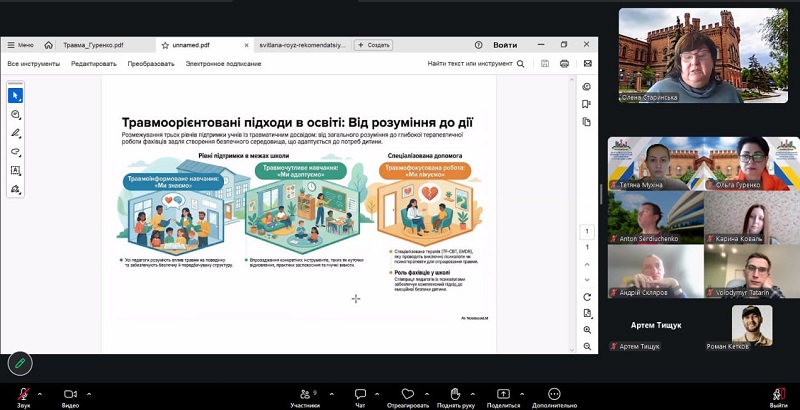
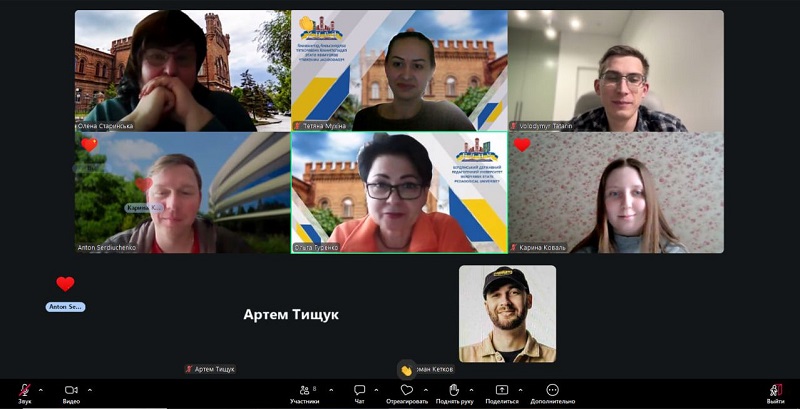
Освітній простір сьогодні вимагає від викладача не лише академічної експертизи, а й глибокої чутливості до досвіду здобувачів освіти. Саме таку якість продемонструвала гостьова лекція в межах освітньої компоненти «Інклюзивні підходи в освіті» для аспірантів спеціальності 011 Освітні, педагогічні науки, організована під керівництвом професорки Ольги Гуренко. Спікерка – Олена Старинська, докторка психологічних наук, завідувачка кафедри прикладної психології та логопедії, практикуюча психологиня та арт-терапевтка, розкриваючи тему «Травмоорієнтовані підходи в освіті: від розуміння до дії», окреслила травму як нову норму освітнього контексту України.
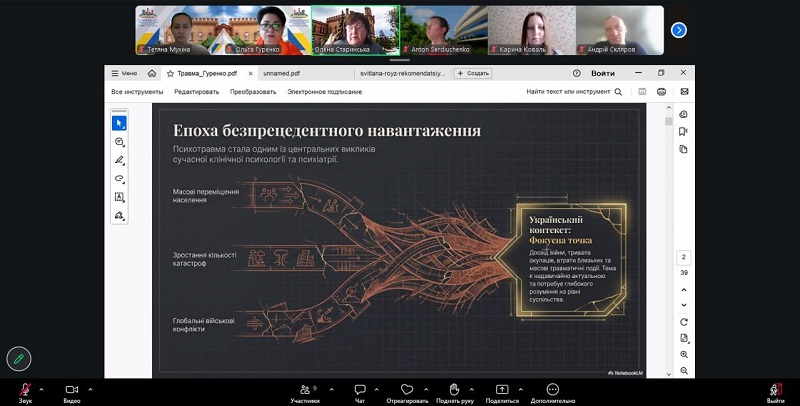
У фокусі лекції – перехід від діагностики до дії. В умовах війни психотравма перестає бути винятком і стає частиною щоденного досвіду здобувачів освіти. Відтак педагог має змінити оптику: не «чому це відбувається?», а «що сталося з людиною?». Нерозуміння цих процесів створює ризик повторної травматизації в освітньому середовищі.
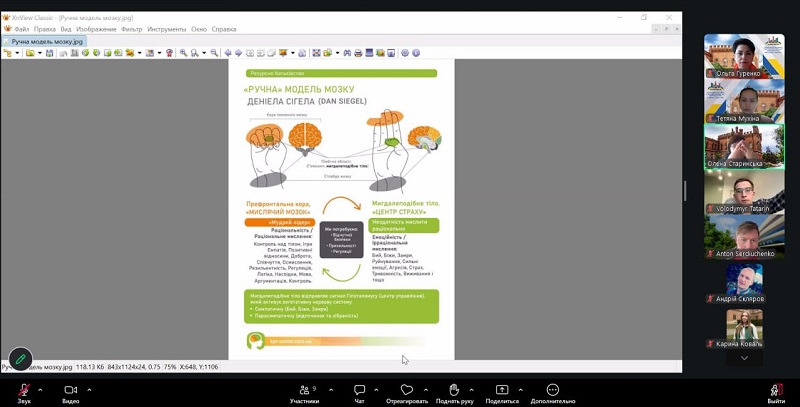
Практичну цінність становило звернення до моделі мозку Деніела Сігела, яка пояснює, чому в стані стресу блокується навчання: емоційні реакції домінують над раціональним мисленням. Це знання трансформується у конкретну педагогічну дію – зниження тиску, підвищення безпеки, підтримка стабільності.
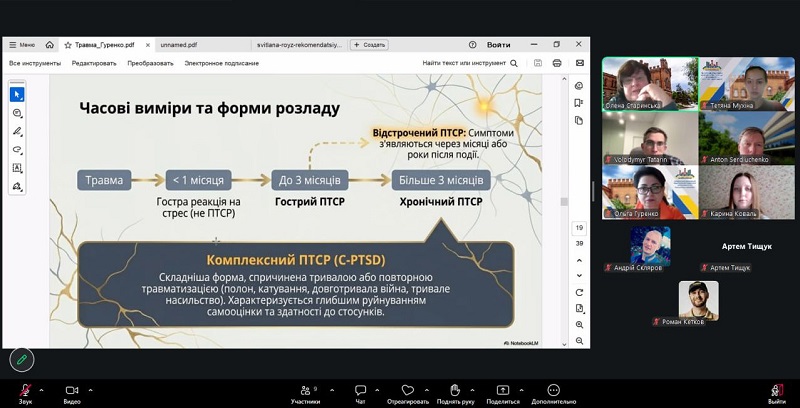
Окреслено ключові прояви травми – повторне переживання, уникання, когнітивні зміни та гіперпильність – як систему, що потребує комплексного педагогічного реагування. Водночас наголошено на потенціалі посттравматичного зростання, що відкриває простір для розвитку, а не лише відновлення.
Жвава дискусія довкола кейсів підтвердила: травмоорієнтований підхід – це не теорія, а необхідна компетентність сучасного викладача, здатного діяти в умовах невизначеності, підтримуючи інклюзивне та безпечне освітнє середовище.
Для здобувачів третього (освітньо-наукового) рівня вищої освіти спеціальності «Освітні, педагогічні науки» розуміння травмоорієнтованих підходів є важливою складовою фахової компетентності – особливо в реаліях, які переживає Україна. Саме в цьому вимірі освітня компонента «Інклюзивні підходи в освіті» набуває особливої актуальності, оскільки формує здатність бачити за поведінкою – біль, за труднощами – досвід, а за роллю педагога – потенціал для зцілення.
За матеріалами здобувачів третього рівня вищої освіти
спеціальності «Освітні, педагогічні науки»
Trauma-informed approaches: tools of impact in inclusive education

Today’s educational space requires educators not only to possess academic expertise, but also to demonstrate deep sensitivity to learners’ experiences. This quality was clearly reflected in a guest lecture delivered within the educational component “Inclusive Approaches in Education” for PhD students majoring in 011 Educational, Pedagogical Sciences, organized under the supervision of Professor Olha Hurenko.
The speaker, Olena Starynska, Doctor of Psychological Sciences, Head of the Department of Applied Psychology and Speech Therapy, practicing psychologist and art therapist, addressed the topic “Trauma-Informed Approaches in Education: From Understanding to Action,” defining trauma as a new norm within the Ukrainian educational context.
The lecture focused on the shift from diagnosis to action. In the context of war, psychological trauma is no longer an exception but has become part of students’ everyday experience. Accordingly, educators must change their perspective: not “Why is this happening?” but rather “What has happened to the person?” A lack of understanding of these processes creates the risk of re-traumatization within the educational environment.
Particular practical value was found in the reference to Daniel Siegel’s brain model, which explains why learning is inhibited under stress: emotional responses dominate rational thinking. This understanding translates into specific pedagogical actions – reducing pressure, increasing a sense of safety, and supporting stability.
The key manifestations of trauma were outlined – re-experiencing, avoidance, cognitive changes, and hypervigilance – as a system requiring a comprehensive pedagogical response. At the same time, emphasis was placed on the potential for post-traumatic growth, which opens space not only for recovery but also for development.
A lively discussion of case studies confirmed that a trauma-informed approach is not merely theoretical, but an essential competence for modern educators who must act in conditions of uncertainty while fostering an inclusive and safe educational environment.
For third-level (educational and scientific/PhD) students in the field of Educational and Pedagogical Sciences, understanding trauma-informed approaches is a crucial component of professional competence – especially in the realities currently faced by Ukraine. In this context, the educational component “Inclusive Approaches in Education” becomes particularly relevant, as it cultivates the ability to see behind behavior – pain, behind difficulties – experience, and behind the role of the educator – the potential for healing.
Based on materials prepared by third-level (PhD) students in Educational and Pedagogical Sciences
