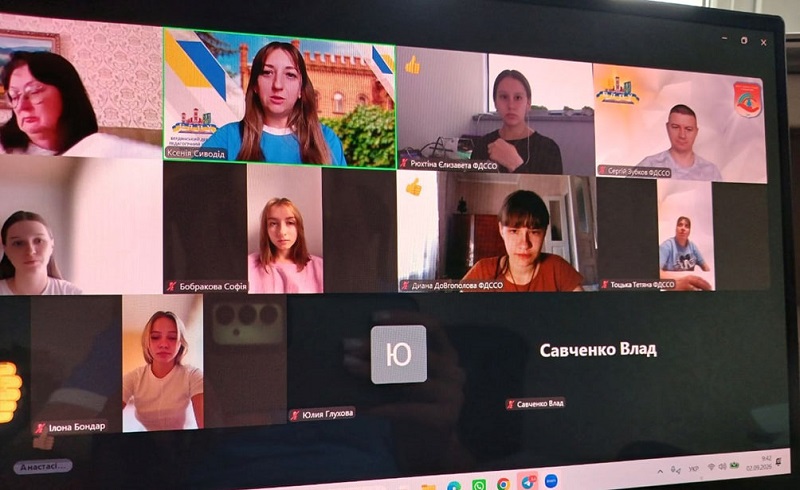
Новий навчальний рік – це нові знайомства, нові виклики й… перші важливі рішення. Саме так у групах першого курсу факультету дошкільної, спеціальної та соціальної освіти відбулися вибори старост.
Незважаючи на те, що все відбувалося онлайн, але відсутність стін точно не означає відсутність можливостей для спілкування, розвитку, самореалізації. та демократичного вибору.
Навпаки, уже з перших днів навчання на факультеті створюється середовище, у якому студент може висловити власну думку, зробити вибір, почути іншого та аргументувати свою позицію.
Звичайно, перші збори провели куратори груп, але кожен із них підійшов до виборів творчо та по-різному.
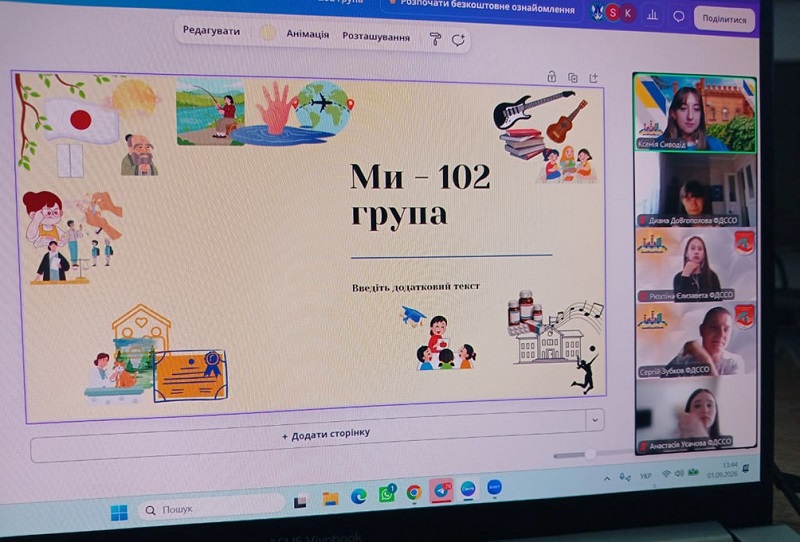
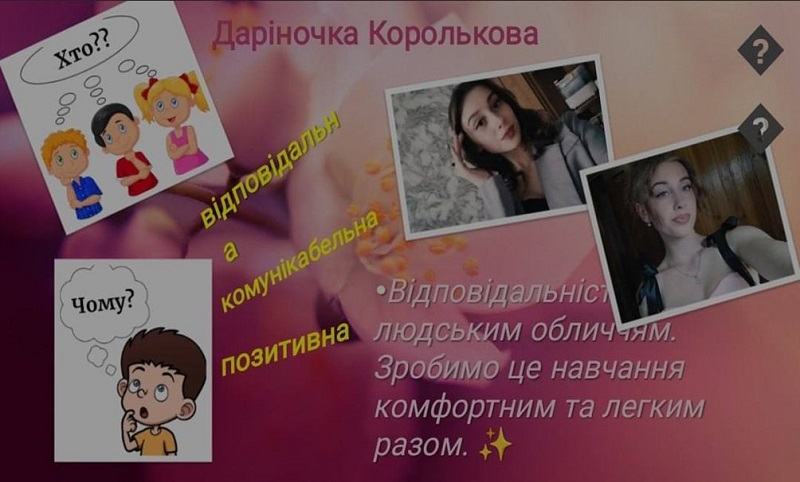
Куратор груп 102ДО Ксенія Сиводід організувала інтерактивну гру, під час якої першокурсники за допомогою наліпок та емоджі на слайді «Ми – 102 ДО група» презентували себе, а потім пояснювали, чому обрали саме такі зображення. Це допомогло краще познайомитися, побачити індивідуальність кожного та відчути себе частиною нової спільноти.
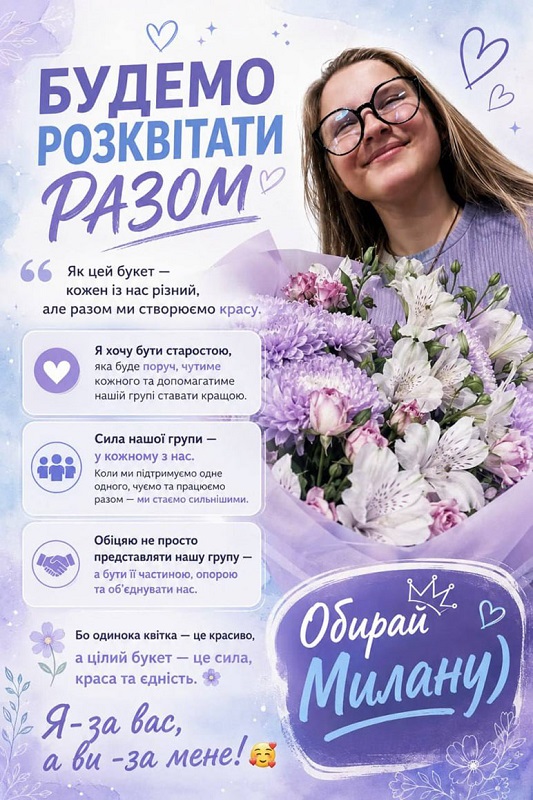
Куратор 103СР групи Наталія Захарова організувала усну самопрезентацію студентів після яких студенти в чаті написали, кого саме вони бачать старостою та чому. Таким чином, рішення ґрунтувалося не лише на особистій симпатії, а й на аргументах та власному баченні лідерських якостей одногрупників.
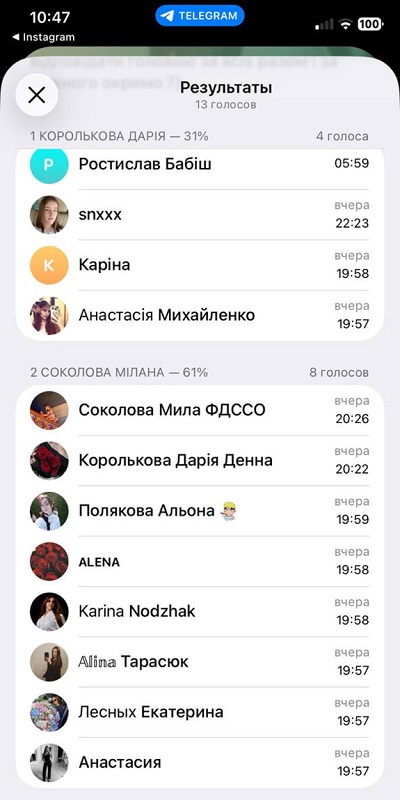
Куратор 104СО групи Катерина Клец запропонувала претендентам на посаду старости представити власні програми та бачення роботи групи. Після презентацій відбулося голосування в чаті, де кожен міг зробити свій вибір.
Здавалося б, звичайні вибори старости. Але для нас це значно більше. Це – перший практичний досвід свідомого вибору. Досвід відповідальності за власне рішення. Можливість зрозуміти, що думка кожного має значення, а лідерство – це не лише статус, а передусім готовність представляти інтереси інших і відповідати за свої слова. Бо демократія починається не десь далеко. Вона починається з власного вибору кожного.

Олеся Голубцова – голова інформаційного
сектору студради ФДССО
From the first introduction to the first choice
A new academic year brings new acquaintances, new challenges, and… the first important decisions. This is exactly how the first-year students of the Faculty of Preschool, Special and Social Education held their elections for group representatives.
Although everything took place online, the absence of physical walls certainly does not mean the absence of opportunities for communication, personal development, self-realization, and democratic choice.
On the contrary, from the very first days of their studies, the Faculty creates an environment where students can express their opinions, make their own choices, listen to others, and support their positions with arguments.
Naturally, the first group meetings were organized by the group curators, but each of them approached the elections in a creative and individual way.
Ksenia Syvodid, curator of Group 102DO, organized an interactive game during which first-year students introduced themselves using stickers and emojis on the slide “We Are Group 102DO” and then explained why they had chosen those particular images. This activity helped the students get to know one another better, appreciate each person’s individuality, and feel part of their new community.
Natalia Zakharova, curator of Group 103SR, organized oral self-presentations. Afterwards, students wrote in the group chat whom they saw as their group representative and explained why. Thus, their decision was based not only on personal preferences, but also on arguments and their own understanding of their classmates’ leadership qualities.
Kateryna Klets, curator of Group 104SO, invited students who wished to run for group representative to present their own programmes and vision for the group’s activities. After the presentations, a vote was held in the group chat, giving everyone an opportunity to make their own choice.
At first glance, these may seem like ordinary elections for a group representative. But for us, they mean much more.
They provide students with their first practical experience of making a conscious choice and taking responsibility for their decisions. They also help students understand that everyone’s opinion matters, while leadership is not merely a position or status — above all, it means being ready to represent the interests of others and take responsibility for one’s words and actions. Because democracy does not begin somewhere far away. It begins with each person’s own choice.
Olesia Holubtsova Head of the Information Sector,
Student Council of the Faculty of Preschool, Special and Social Education
