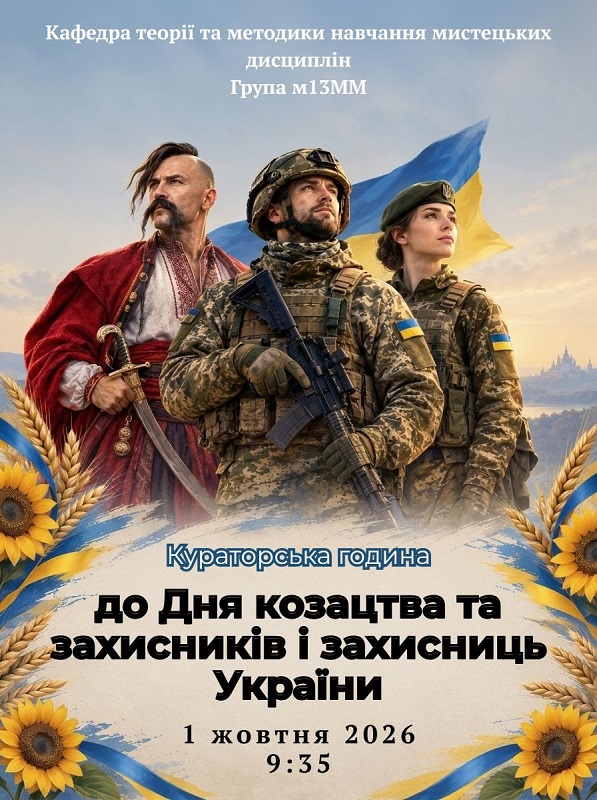
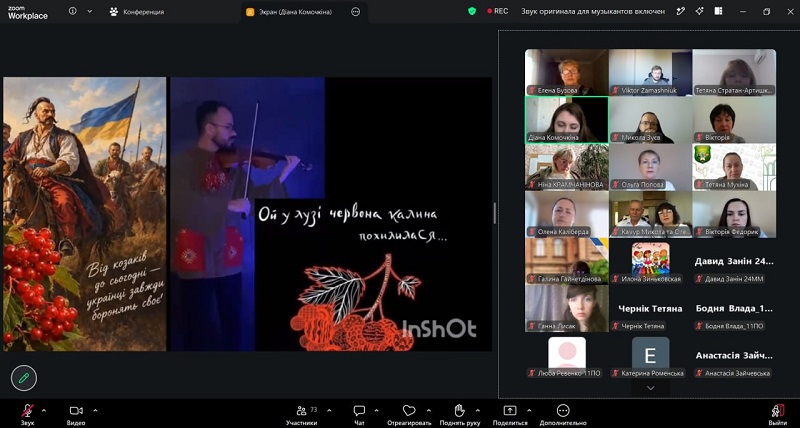
1 жовтня 2026 року на кафедрі теорії та методики навчання мистецьких дисциплін БДПУ з нагоди Дня українського козацтва та Дня захисників і захисниць України відбулася кураторська година, присвячена осмисленню козацької спадщини в історії, культурі та сучасному житті України.
Задум проєкту ґрунтувався на прагненні простежити не лише історію українського козацтва, а й тяглість культурної пам’яті – від козацької доби через досвід української еміграції до сучасного досвіду захисту України. Саме тому три студентські проєкти стали взаємопов’язаними складниками єдиної художньо-педагогічної розповіді.
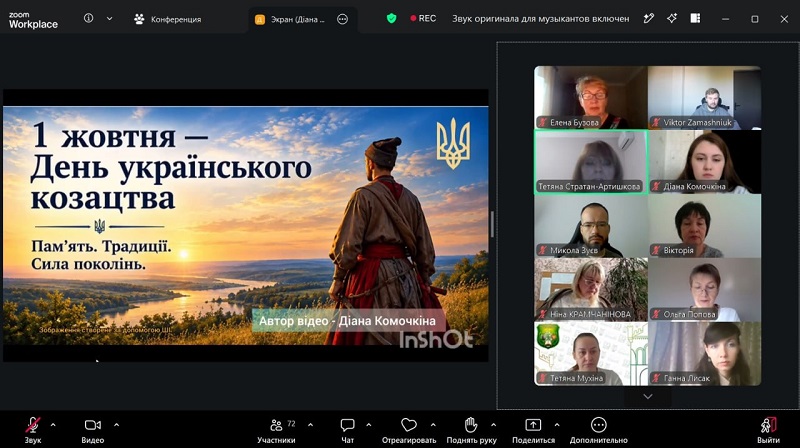
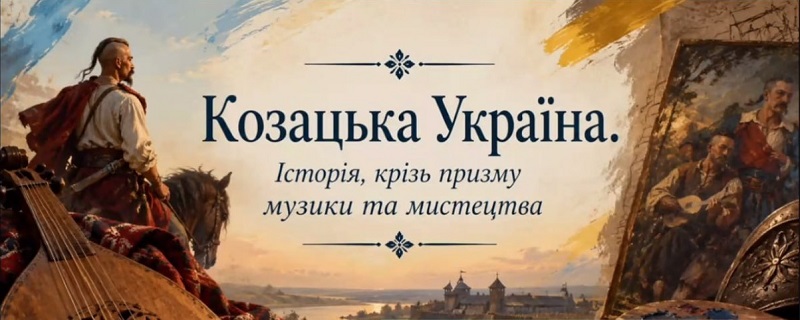
Перший проєкт – «Історія козацтва крізь призму музики і мистецтва», підготовлений Діаною Комочкіною, відкрив історико-культурний вимір теми. Студентка звернулася до художніх образів козацтва, їх відображення в українській музиці, пісенній творчості, образотворчому мистецтві та інших формах культурної репрезентації. Особливу увагу було приділено тому, як у мистецтві формувався образ козака як уособлення свободи, гідності, мужності, любові до рідної землі та готовності її захищати.
У цьому проєкті мистецтво постало не лише як ілюстрація історичних подій, а як важливий механізм збереження й емоційного осмислення історичної пам’яті, завдяки якому минуле продовжує бути присутнім у культурному досвіді наступних поколінь.
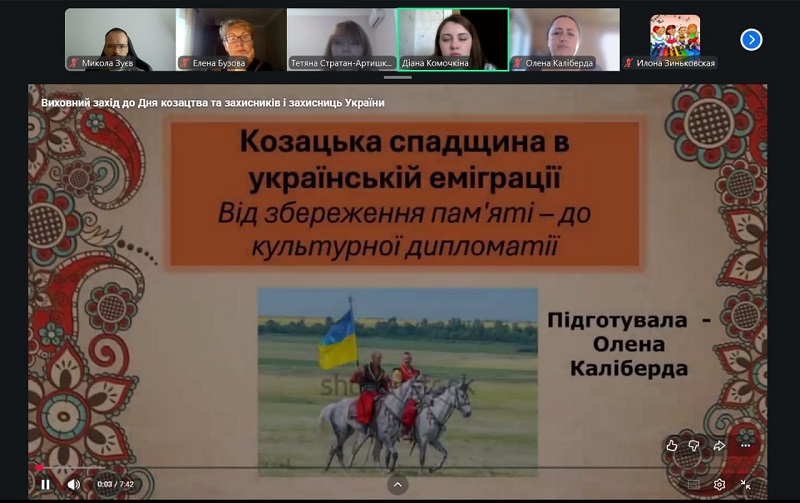
Логічним продовженням став проєкт Олени Каліберди – «Козацька спадщина в українській еміграції: від збереження пам’яті до культурної дипломатії». У центрі уваги були важливі питання: як зберігалася пам’ять про козацьке минуле тоді, коли українці опинялися далеко за межами Батьківщини? Яку роль у збереженні української ідентичності відігравали історична пам’ять, музика, мистецтво, освіта та громадські організації? Як ця спадщина трансформується сьогодні, коли українці за кордоном не лише зберігають власну культуру, а й активно представляють її світові?
У межах проєкту було розглянуто українські культурні та освітні ініціативи за кордоном, діяльність мистецьких колективів, молодіжних організацій і громад, а також сучасні форми культурної дипломатії, волонтерства та благодійної діяльності.
Третій проєкт – «Між походом і очікуванням: від козака до сучасного захисника України» – став своєрідною кульмінацією всієї мистецько-освітньої композиції. Автори проєкту Олена Качур і Микола Качур звернули увагу не лише на героїчний образ воїна, а передусім на людський вимір захисту Батьківщини. За історичними образами козака та сучасного захисника постає людина –зі своїм вибором, відповідальністю, почуттями, родиною, очікуванням і надією на повернення.
Саме тому назва «Між походом і очікуванням» набуває особливого змісту. Вона дає змогу побачити історію не лише через військові події, а й через долі тих, хто вирушає захищати Батьківщину, і тих, хто залишається чекати.
У реалізації проєкту було використано мультимедійні презентації, мистецькі матеріали, музичні приклади та художнє слово, що сприяло створенню цілісного, емоційно насиченого культурно-освітнього простору.
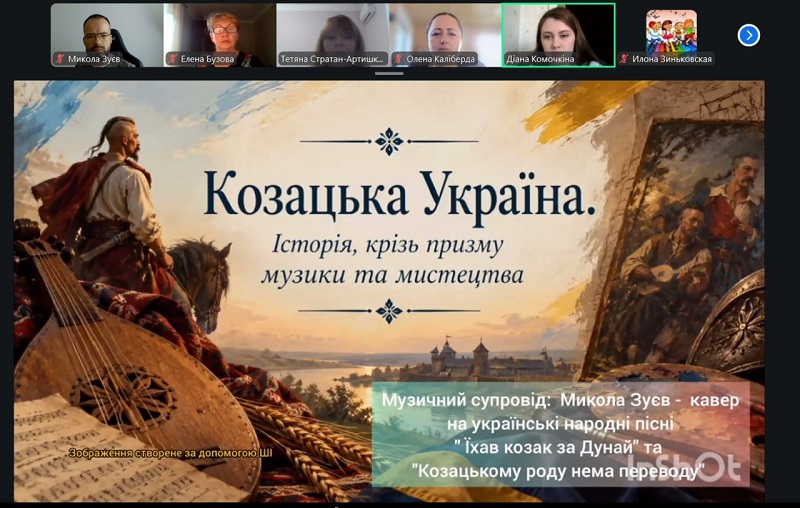
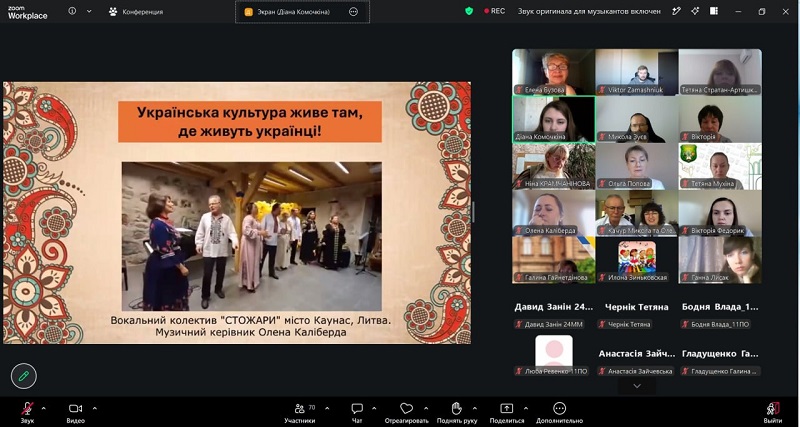
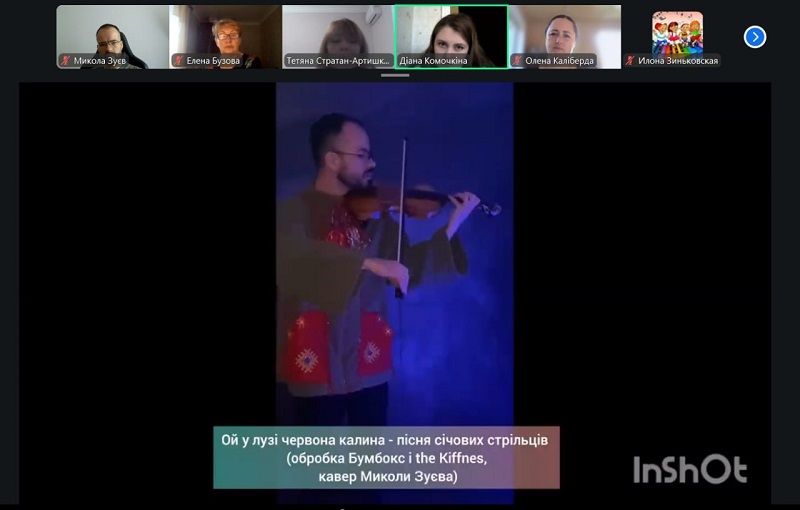
Особливим художнім завершенням кожної частини проєкту стали українські пісні: «Ой, у лузі червона калина» у виконанні Миколи Зуєва (скрипка) та «Гей, соколи» у виконанні вокального ансамблю під керівництвом Олени Каліберди (м. Каунас, Литва).
Для студентів-магістрантів групи м24ММ цей проєкт став не лише способом відзначити важливу для українців дату, а й важливим досвідом поєднання дослідницької, проєктної, мистецької, виконавської та комунікативної діяльності. Його реалізація продемонструвала широкі можливості художньо-творчого проєктування у професійній підготовці майбутнього викладача музичного мистецтва.
Проєкт студентів групи м24ММ засвідчив: історична пам’ять стає живою тоді, коли її не лише вивчають, а й переживають, творчо осмислюють і передають наступним поколінням.
Куратор групи Т.Б. Стратан-Артишкова
Cossack heritage in historical memory and modern cultural space: artistic and creative project by students of group m24mm
On October 1, 2026, at the Department of Theory and Methodology of Teaching Artistic Disciplines of BSPU, a curatorial hour was held to mark the Day of Ukrainian Cossacks and the Day of Defenders of Ukraine. The event was dedicated to reflecting on the Cossack heritage in history, culture, and the contemporary life of Ukraine.
The concept of the project was based on the desire to trace not only the history of the Ukrainian Cossacks, but also the continuity of cultural memory—from the Cossack era through the experience of Ukrainian emigration to the modern experience of defending Ukraine. That is why three student projects became interconnected components of a single artistic and pedagogical narrative.
The first project, “History of the Cossacks Through the Lens of Music and Art,” prepared by Diana Komochkina, opened the historical and cultural dimension of the topic. The student explored the artistic images of the Cossacks and their reflection in Ukrainian music, songwriting, fine arts, and other forms of cultural representation. Particular attention was paid to how the image of a Cossack was formed in art as the personification of freedom, dignity, courage, love for the native land, and readiness to defend it.
In this project, art appeared not merely as an illustration of historical events, but as an important mechanism for preserving and emotionally comprehending historical memory, through which the past continues to be present in the cultural experience of future generations.
A logical continuation was the project by Olena Kaliberda, “Cossack Heritage in Ukrainian Emigration: From Preservation of Memory to Cultural Diplomacy.” The focus was on crucial questions: How was the memory of the Cossack past preserved when Ukrainians found themselves far beyond their Homeland? What role did historical memory, music, art, education, and civic organizations play in preserving Ukrainian identity? How is this heritage being transformed today, when Ukrainians abroad not only preserve their own culture, but also actively present it to the world?
Within the framework of the project, Ukrainian cultural and educational initiatives abroad, the activities of artistic ensembles, youth organizations, and communities, as well as modern forms of cultural diplomacy, volunteering, and charitable activities were reviewed.
The third project, “Between Campaign and Waiting: From Cossack to Modern Defender of Ukraine,” became a kind of climax of the entire artistic and educational composition. The authors of the project, Olena Kachur and Mykola Kachur, drew attention not only to the heroic image of a warrior, but primarily to the human dimension of defending the Homeland. Behind the historical images of the Cossack and the modern defender stands a human being—with their choices, responsibilities, feelings, family, and the expectation and hope of returning home.
That is why the title “Between Campaign and Waiting” acquires a special meaning. It allows us to view history not only through military events, but also through the fates of those who leave to protect the Motherland, and those who remain behind to wait.
The implementation of the project utilized multimedia presentations, artistic materials, musical examples, and spoken word performances, which contributed to creating a holistic, emotionally rich cultural and educational space.
A special artistic conclusion to each part of the project was marked by Ukrainian songs: “Oi U Luzi Chervona Kalyna” (Oh, the Red Viburnum in the Meadow) performed by Mykola Zuiev (violin) and “Hei, Sokoly” (Hey, Falcons) performed by a vocal ensemble directed by Olena Kaliberda (Kaunas, Lithuania).
For the Master’s students of group m24MM, this project was not only a way to commemorate an important date for Ukrainians, but also a valuable experience in combining research, project-based, artistic, performance, and communicative activities. Its implementation demonstrated the wide possibilities of artistic and creative project design in the professional training of future music teachers.
The project by the students of group m24MM proved: historical memory becomes alive when it is not merely studied, but experienced, creatively comprehended, and passed on to future generations.
Group Curator T. B. Stratan-Artyshkkova
