
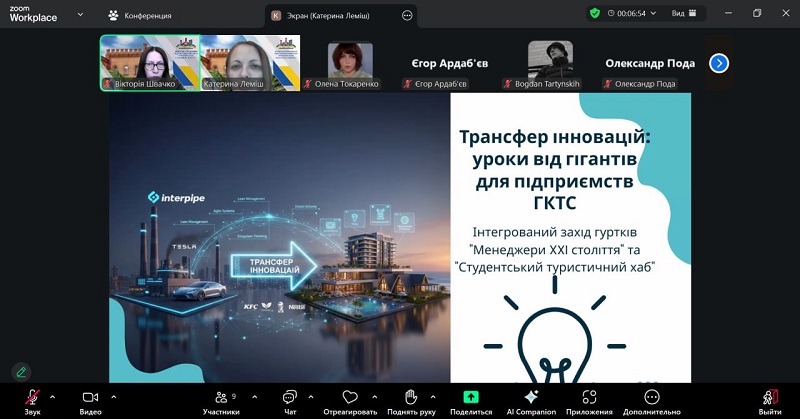
Кафедра економіки, менеджменту та фінансів провела інтегрований онлайн-захід науково-практичних гуртків «Менеджери XXI століття» та «Студентський туристичний хаб» за участю студентів освітньо-професійних програм «Менеджмент», «Менеджмент готельного, курортного та туристичного сервісу», «Менеджмент організацій», спрямований на формування у здобувачів освіти системного бачення інноваційного розвитку підприємств готельно-курортного та туристичного сервісу на основі аналізу кращих світових практик.
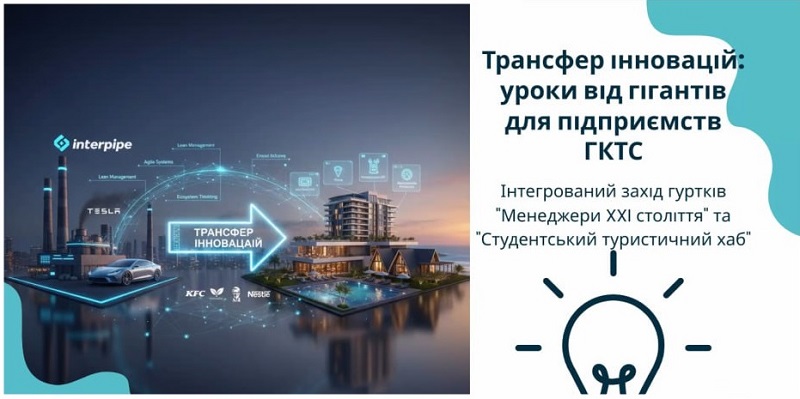
Центральною темою зустрічі став трансфер інноваційних рішень з інших галузей економіки у сферу гостинності та туризму. У межах обговорення студенти досліджували можливості адаптації управлінських, технологічних і маркетингових інновацій, запозичених із практики провідних світових та національних компаній, до специфіки діяльності підприємств ГКТС.
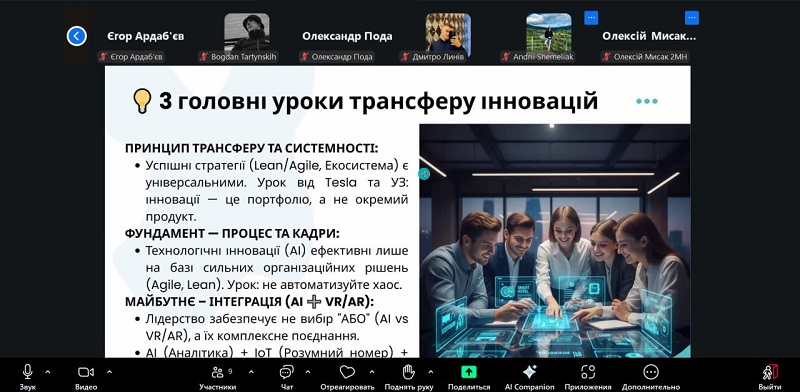
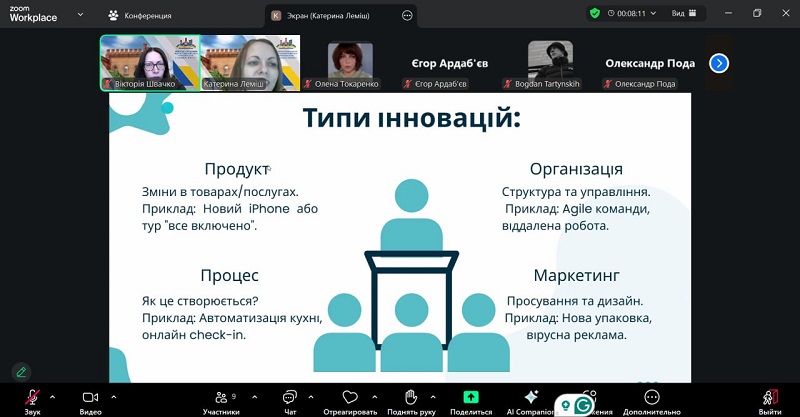
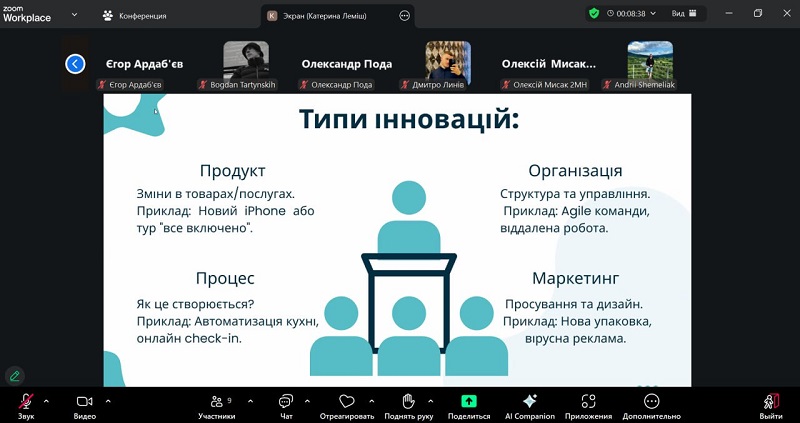
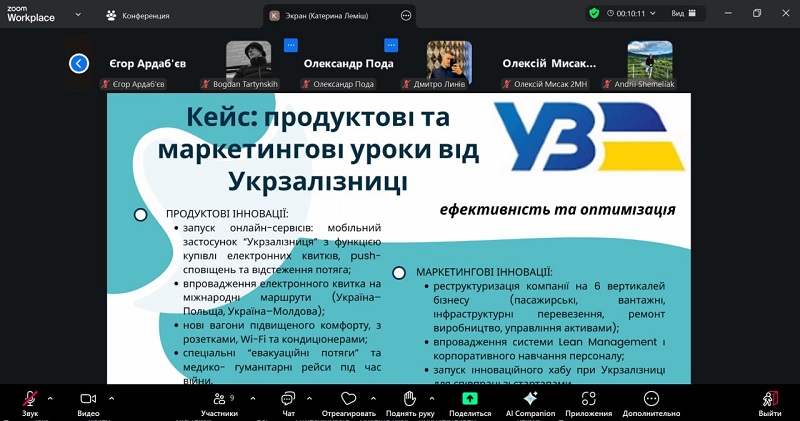
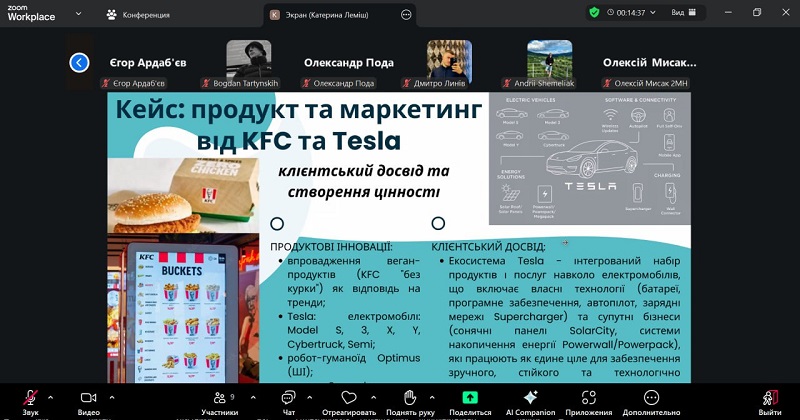
У ході заходу було проаналізовано інноваційні стратегії компаній Tesla, KFC та АТ «Укрзалізниця». Основна увага приділялася класифікації та потенціалу впровадження чотирьох типів інновацій у готельно-туристичному сервісі. Зокрема розглядалися організаційні та процесні інновації, спрямовані на підвищення операційної ефективності шляхом упровадження принципів Lean Management і Agile-управління для оптимізації внутрішніх процесів та покращення якості сервісу, а також продуктові й маркетингові інновації, орієнтовані на створення споживчої цінності, формування комплексних продуктово-сервісних екосистем і оперативне реагування на соціальні та поведінкові тренди туристичного ринку.
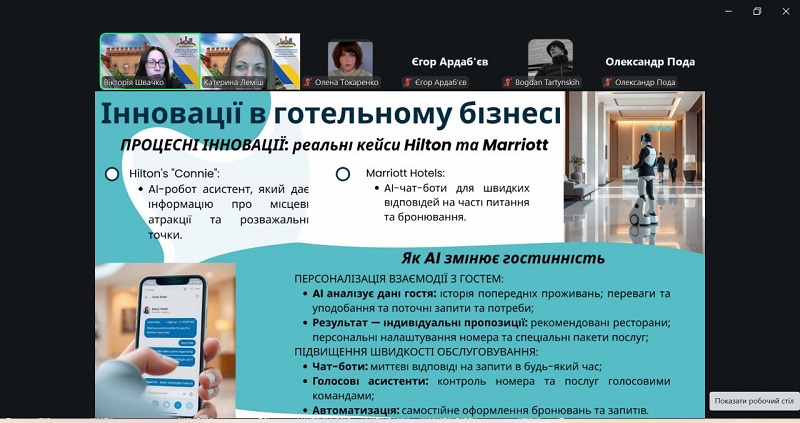
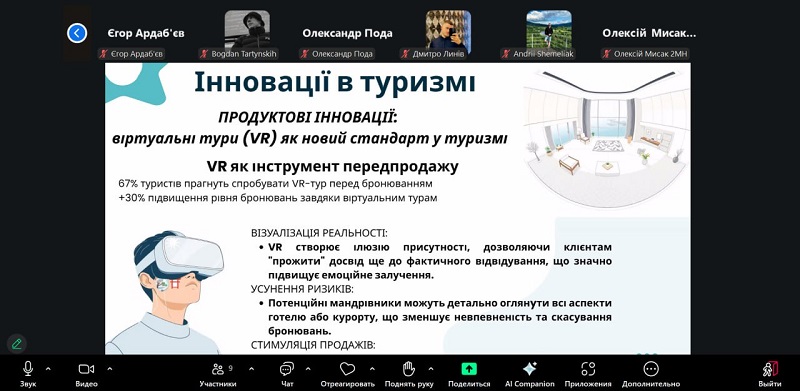
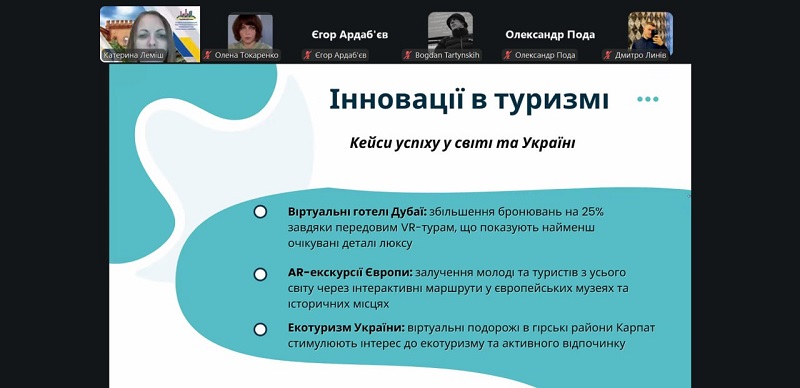
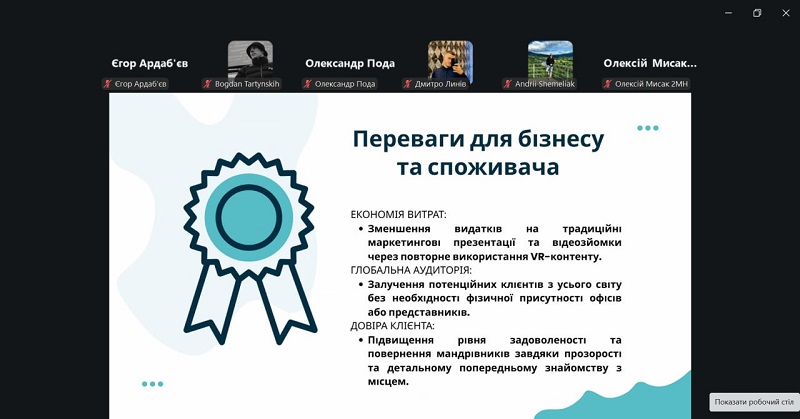
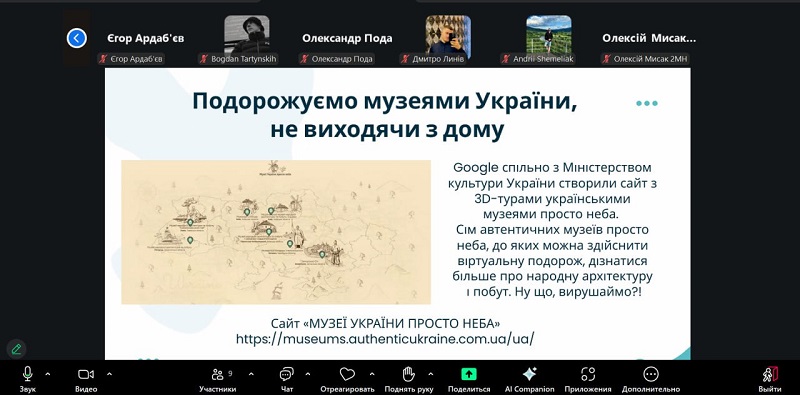
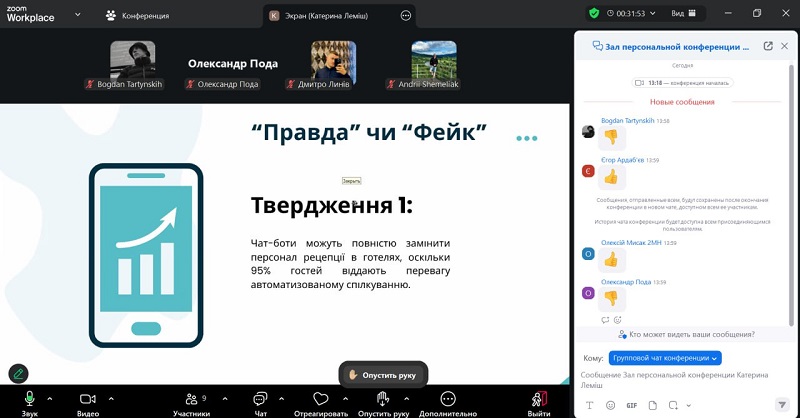
Окремий тематичний блок було присвячено застосуванню цифрових технологій у сфері гостинності, зокрема інструментів штучного інтелекту та віртуальної й доповненої реальності. Штучний інтелект розглядався як інструмент персоналізації послуг, автоматизації комунікацій із клієнтами (чат-боти 24/7), оптимізації операційних витрат і підвищення якості обслуговування. Було проаналізовано практичні приклади використання AI в міжнародних готельних мережах. Технології VR/AR представлено як ефективні засоби передпродажної комунікації, що формують клієнтський досвід, знижують ризики при виборі туристичного продукту та сприяють зростанню кількості бронювань.
За підсумками роботи сформульовано низку ключових висновків. Ефективні інноваційні стратегії мають універсальний характер і можуть успішно адаптуватися між різними галузями за умови системного підходу. Майбутній розвиток готельно-туристичного сервісу ґрунтується на інтеграції цифрових технологій, зокрема поєднанні аналітичних можливостей AI, інструментів Інтернету речей та VR/AR-рішень для створення персоналізованого клієнтського досвіду. Водночас технологічні інновації є результативними лише за наявності ефективних організаційних процесів і належно підготовлених управлінських кадрів.
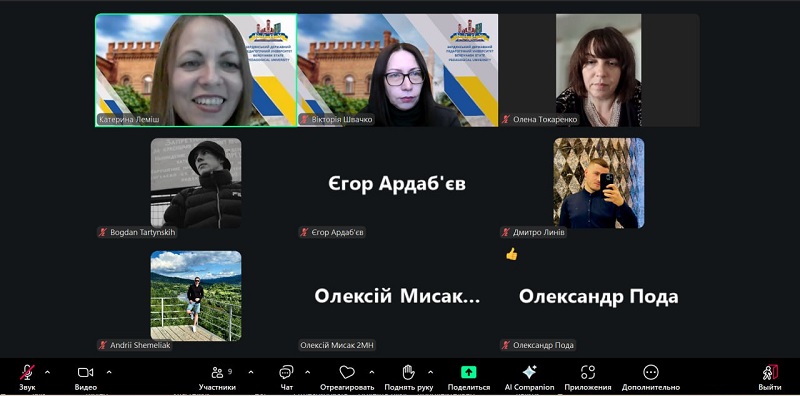
Кафедра економіки, менеджменту та фінансів висловлює подяку студентам за активну участь, високий рівень аналітичної роботи та інноваційний підхід до розв’язання практичних завдань. Проведений захід підтвердив актуальність формування у майбутніх менеджерів готельно-туристичного сервісу професійних компетентностей, необхідних для реалізації системних змін у галузі, та засвідчив доцільність подальшого розвитку подібних освітньо-наукових ініціатив.
Запрошуємо студентів до участі в наступних заходах науково-практичних гуртків кафедри.
За матеріалами кафедри економіки, менеджменту та фінансів
Transfer of Managerial and Digital Innovations: A Joint Event of the Research and Practice Club “Managers of the 21st Century” and the “Student Tourism Hub”
The Department of Economics, Management and Finance held an integrated online event of the academic and practical student clubs “Managers of the 21st Century” and “Student Tourism Hub” with the participation of students enrolled in the educational and professional programs “Management,” “Management of Hotel, Resort and Tourism Services,” and “Management of Organizations.” The event aimed to develop students’ systemic understanding of the innovative development of enterprises in the hotel, resort, and tourism service sector based on the analysis of best global practices.
The central theme of the meeting was the transfer of innovative solutions from other sectors of the economy to the fields of hospitality and tourism. Within the discussion framework, students explored opportunities for adapting managerial, technological, and marketing innovations borrowed from the practices of leading global and national companies to the specific characteristics of hotel, resort, and tourism service enterprises.
During the event, the innovative strategies of Tesla, KFC, and JSC “Ukrzaliznytsia” were analyzed. The main focus was placed on the classification and implementation potential of four types of innovations in the hotel and tourism service sector. In particular, organizational and process innovations aimed at increasing operational efficiency through the implementation of Lean Management and Agile management principles were considered, enabling the optimization of internal processes and improvement of service quality. In addition, product and marketing innovations focused on creating consumer value, developing integrated product-service ecosystems, and responding promptly to social and behavioral trends in the tourism market were examined.
A separate thematic block was devoted to the application of digital technologies in hospitality, particularly tools of artificial intelligence and virtual and augmented reality. Artificial intelligence was considered as a means of service personalization, automation of customer communications (24/7 chatbots), optimization of operating costs, and improvement of service quality. Practical examples of AI implementation in international hotel chains were analyzed. VR/AR technologies were presented as effective tools of pre-sales communication that shape customer experience, reduce risks when choosing tourism products, and contribute to an increase in bookings.
Based on the outcomes of the event, several key conclusions were formulated. Effective innovation strategies are universal in nature and can be successfully adapted across different industries provided a systemic approach is applied. The future development of the hotel and tourism service sector is based on the integration of digital technologies, particularly the combination of AI analytical capabilities, Internet of Things tools, and VR/AR solutions to create a personalized customer experience. At the same time, technological innovations are effective only when supported by efficient organizational processes and well-trained managerial staff.
The Department of Economics, Management and Finance expresses its gratitude to the students for their active participation, high level of analytical work, and innovative approach to solving practical tasks. The event confirmed the relevance of developing professional competencies in future managers of the hotel and tourism service sector necessary for implementing systemic changes in the industry and demonstrated the feasibility of further development of similar educational and research initiatives.
Students are invited to participate in upcoming activities of the department’s academic and practical clubs.
Based on materials from the Department of Economics, Management and Finance
