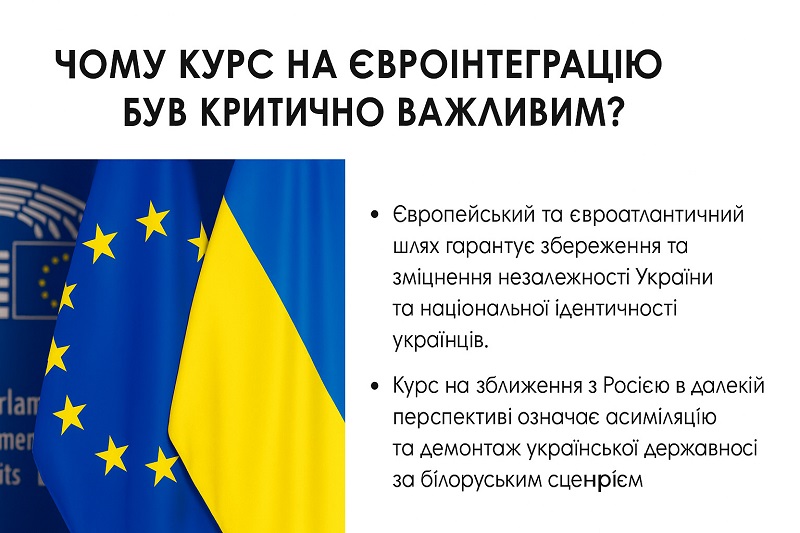
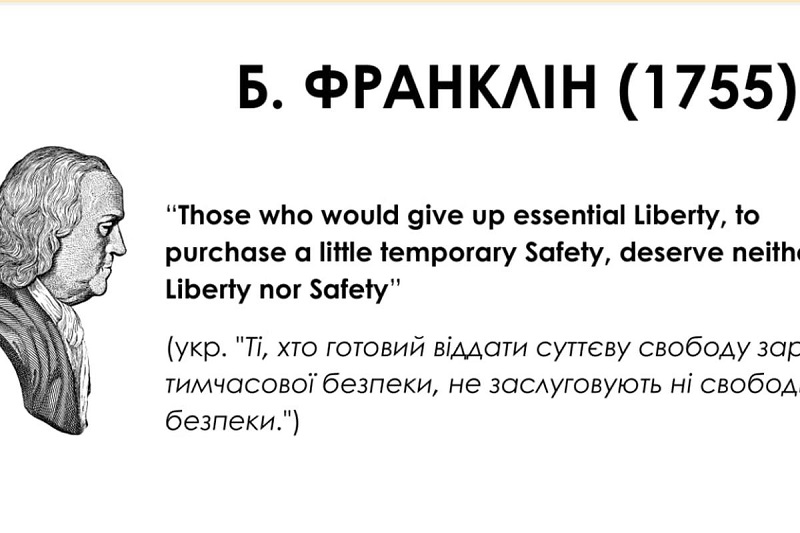
У межах кураторської години зі студентами 1-4 курсів спеціальностей А4.03 «Середня освіта (Історія та громадянська освіта)» та В9 «Історія та археологія» 1 грудня 2025 року було організовано черговий тематичний захід, присвячений осмисленню Революції Гідності в ширшому контексті європейських антикомуністичних рухів другої половини ХХ століття. У центрі уваги перебувало питання спадкоємності ідей свободи та гідності, а також паралелі між українськими протестними подіями та виступами проти диктатур у країнах Центрально-Східної Європи, що дало можливість продемонструвати спільні закономірності антитоталітарних рухів та тяглість боротьби суспільств за свободу і демократію. Особливе місце займала цитата Бенджаміна Франкліна про співвідношення свободи та безпеки, яка стала лейтмотивом заходу.
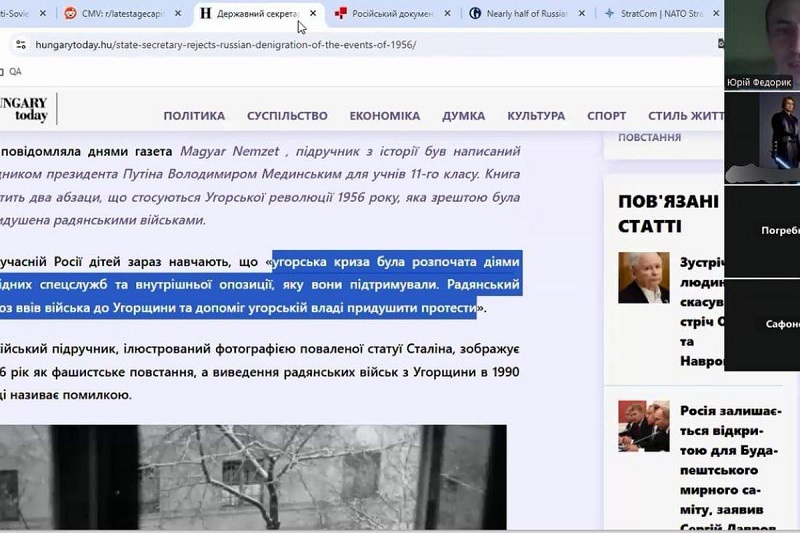
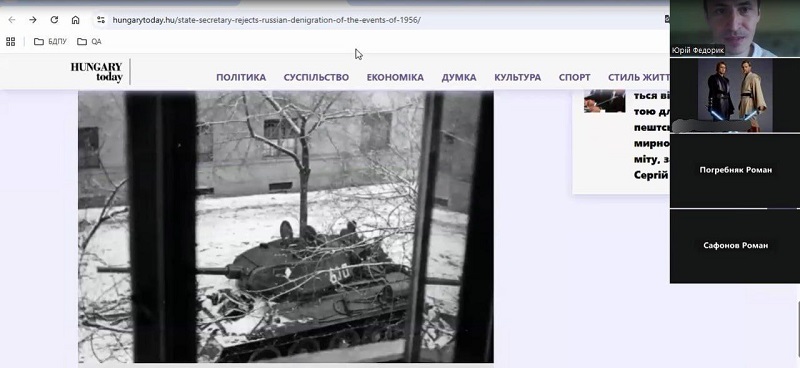
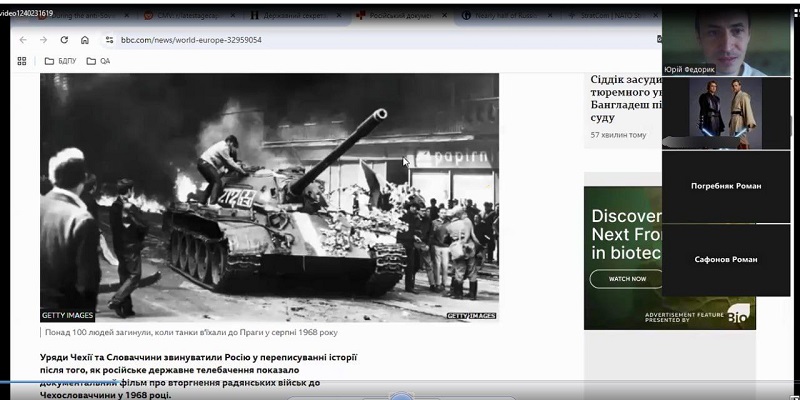
У процесі роботи зі студентами було використано низку інтернет-ресурсів, що давали можливість прослідкувати тяглість радянських і сучасних російських пропагандистських підходів до трактування масових протестів, революцій та громадянських рухів.
Використані матеріали відображали, з одного боку, радянське бачення подій у Східній Німеччині 1953 року, Угорщині 1956 року та Чехословаччині 1968 року, подій 1989 року в Центрально-Східній Європі а з іншого – сучасні російські наративи щодо Помаранчевої Революції та Революції Гідності. Застосовані джерела (аналітичні публікації, медіаматеріали, обговорення на тематичних інтернет-майданчиках) дозволили продемонструвати сталість риторичних конструкцій, у яких і радянська, і сучасна російська влада зображають самостійні громадянські виступи як «спровоковані», «штучні», «проплачені» або «керовані ззовні».
Завершальна частина зустрічі була присвячена обговоренню двох дискусійних питань: актуальності цитати Франкліна для інтерпретації як антикомуністичних протестів у Центрально-Східній Європі, так і сучасних українських революційних подій, а також уроків, які українське суспільство може винести з досвіду європейських країн у протистоянні тоталітаризму. Таке проблемне обговорення сприяло поглибленню розуміння студентами сутності свободи, механізмів громадянського спротиву та спільних закономірностей трансформаційних процесів у країнах Центрально-Східній Європі й Україні.
Підсумком заходу стало усвідомлення взаємозв’язку між історичними подіями середини й кінця ХХ століття та сучасними українськими процесами, а також формування критичного ставлення до пропагандистських інтерпретацій, які супроводжують демократичні революції як минулого, так і сьогодення. Такий підхід дозволив актуалізувати європейський контекст Революції Гідності й показати його як частину ширшої історії боротьби за свободу, гідність та право суспільства визначати власне майбутнє.
Юрій Федорик
European Lessons of Freedom: Towards an Understanding of the Revolution of Dignity
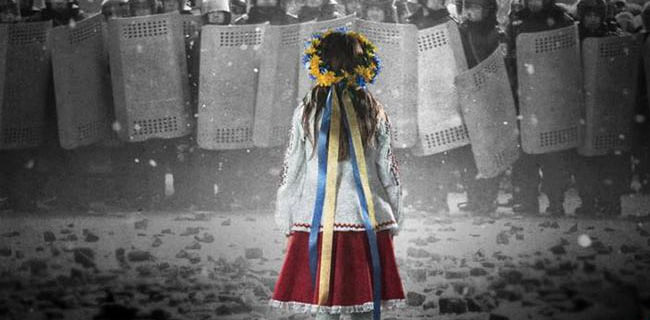
As part of a scheduled advisory session with first- to fourth-year students of the programmes A4.03 Secondary Education (History and Civic Education) and B9 History and Archaeology, a thematic event was held on 1 December 2025. The meeting focused on interpreting the Revolution of Dignity within the broader context of European anti-communist movements of the second half of the twentieth century. Central attention was given to the continuity of the ideas of freedom and dignity, as well as to the parallels between Ukraine’s protest events and uprisings against dictatorships in the countries of Central and Eastern Europe. This approach made it possible to demonstrate shared patterns characteristic of anti-totalitarian movements and the enduring struggle of societies for freedom and democracy. A notable place in the discussion was given to Benjamin Franklin’s famous quotation on the relationship between freedom and security, which served as the leitmotif of the event.
The work with students involved the use of a number of online resources that made it possible to trace the continuity between Soviet and contemporary Russian propagandistic approaches to interpreting mass protests, revolutions, and civic movements.
The materials used reflected, on the one hand, the Soviet interpretation of the events in East Germany in 1953, Hungary in 1956, and Czechoslovakia in 1968, as well as the developments of 1989 in Central and Eastern Europe, and, on the other hand, contemporary Russian narratives concerning the Orange Revolution and the Revolution of Dignity. The selected sources (analytical publications, media materials, and discussions on thematic online platforms) made it possible to demonstrate the persistence of rhetorical patterns through which both Soviet and present-day Russian authorities portray autonomous civic uprisings as “provoked,” “artificial,” “paid for,” or “externally orchestrated.”
The concluding part of the meeting was devoted to discussing two key questions: the relevance of Franklin’s quotation for interpreting both the anti-communist protests in Central and Eastern Europe and modern revolutionary events in Ukraine, and the lessons that Ukrainian society can draw from the experience of European countries in resisting totalitarianism. This problem-oriented discussion contributed to a deeper understanding among students of the essence of freedom, the mechanisms of civic resistance, and the common patterns of transformational processes in the countries of Central and Eastern Europe and in Ukraine.
The event concluded with an emphasis on understanding the interconnectedness between the historical events of the mid- and late twentieth century and contemporary developments in Ukraine, as well as the formation of a critical attitude toward propagandistic interpretations that accompany democratic revolutions both past and present. Such an approach made it possible to actualize the European context of the Revolution of Dignity and to highlight it as part of a broader history of the struggle for freedom, dignity, and the right of a society to determine its own future.
Yurii Fedoryk
