
Я довго думав: що це таке Ейлер намотав собі на голову? Нарешті здогадався: це – Піфагорові штани! Великі люди можуть дозволити собі такі жарти. Математичні жарти! Чи це через неуважність? Але куди художник дивився!? (На фото портрет Леонарда Ейлера роботи Якоба Емануеля Гандмана, 1753 р., художній музей Базеля)
Минулого разу ми згадали математичну спадщину Лейбніца, а сьогодні, у черговий раз у межах роботи математичного гуртка факультету ФМКТО БДПУ, відбулося захопливе заняття, присвячене генію, якого можна було б назвати «сліпим провидцем», – Леонарду Ейлеру – навіть втративши зір, він продовжував працювати!
Учасники занурилися у світ одного з найпродуктивніших математиків в історії людства – людини, яка створила сучасну мову математичного аналізу та подарувала науці найелегантнішу формулу, а повне зібрання творів якої налічує понад 80 томів! За оцінками сучасників, він є автором приблизно кожної четвертої математичної праці, опублікованої в XVIII столітті!
Заняття показало, як Ейлер перетворив математику з «науки про фігури» на універсальну «науку про функції», заклавши фундамент, на якому стоїть майже вся сучасна фізика, інженерія та обчислювальні методи.
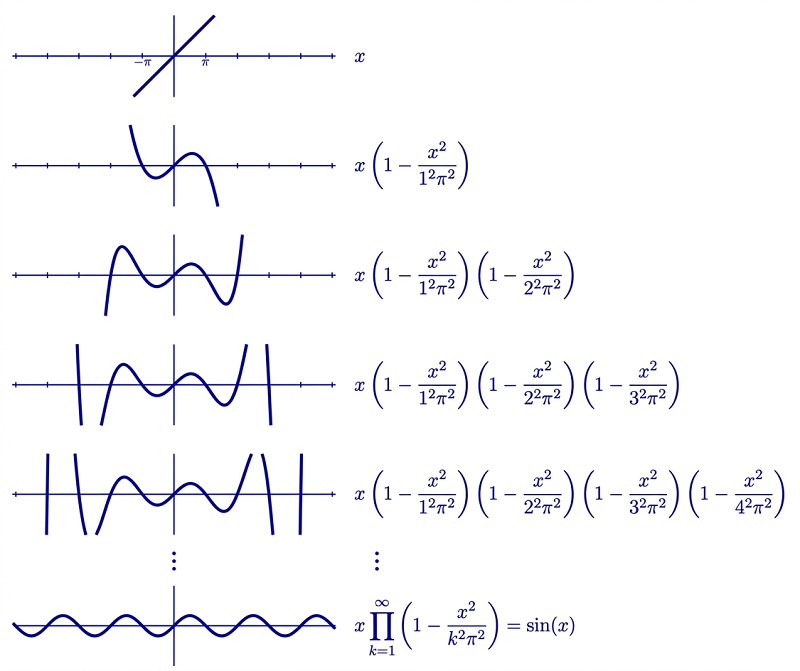
Учасники розглянули, як Ейлер стандартизував математичні позначення, зробивши їх світовою мовою науки, перехід до алгебраїчного аналізу, теорію нескінченних рядів і добутків, розв’язання знаменитої Базельської задачі та неймовірну появу числа Пі у сумі обернених квадратів!
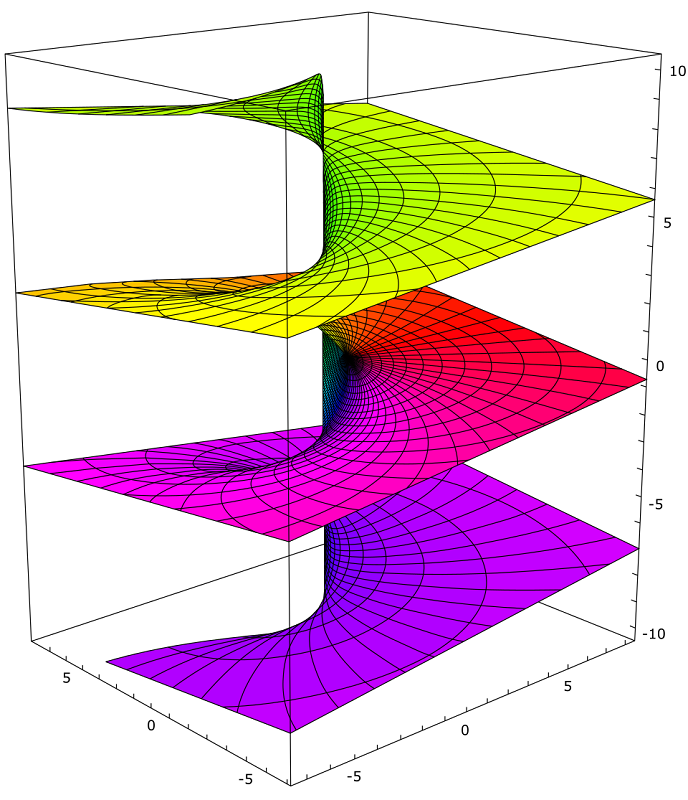
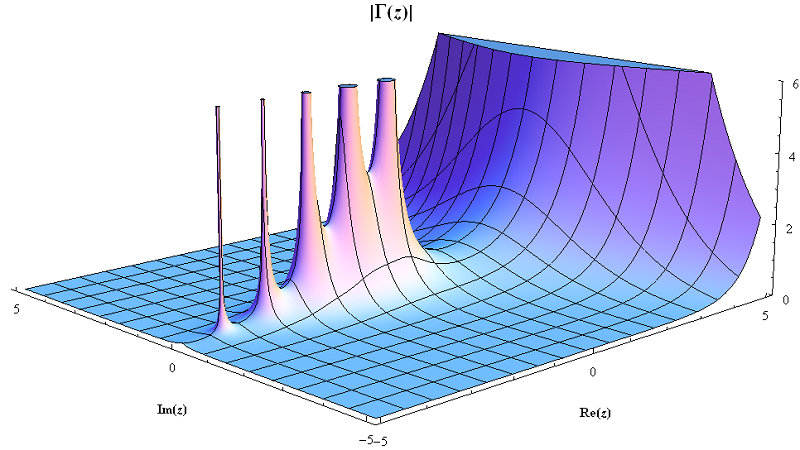
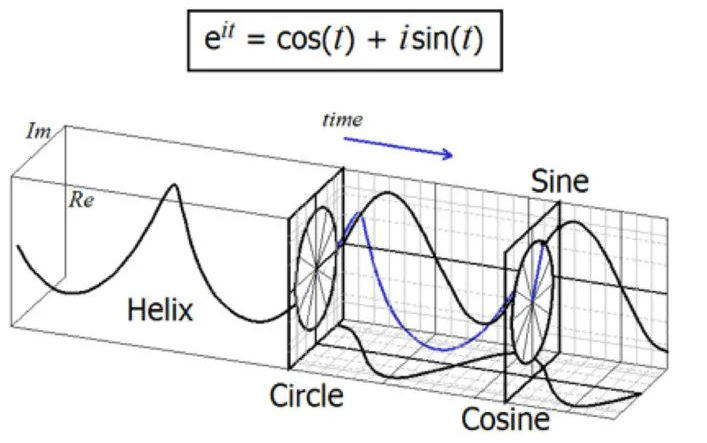
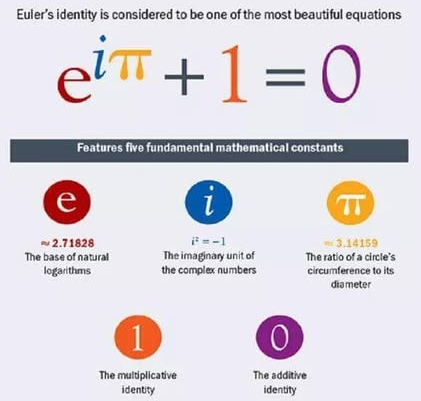
Окрім того, здобувачі освіти ознайомилися з історією числа Ейлера та доведенням його ірраціональності, «легалізацією» уявної одиниці, виведенням формули Ейлера та тотожності Ейлера. Особливий інтерес викликали гамма-функція як інтерполяція факторіала, варіаційне числення з рівнянням Ейлера-Лагранжа, методи розв’язання диференціальних рівнянь та вихід аналізу в механіку твердого тіла й гідродинаміку.
Заняття ще раз продемонструвало, як ідеї Ейлера – від нескінченних рядів до принципу найменшої дії – зуміли об’єднати арифметику, геометрію, аналіз і фізику в єдину гармонійну систему. Учасники побачили, що сліпий провидець, який диктував формули з темряви, побачив те, що інші не помічали навіть при повному світлі: глибоку єдність експоненти й тригонометрії, дискретного й неперервного, числа та форми.
Такі зустрічі нагадують нам, що математика – це не лише набір обчислювальних технік, а цілісна архітектура мислення. Шлях від створення математичного алфавіту до найелегантнішої формули світу відкриває нам глибинну гармонію Всесвіту, створеного за законами, які вперше чітко записав великий швейцарський геній.
Повна версія: https://www.researchgate.net/publication/412326808
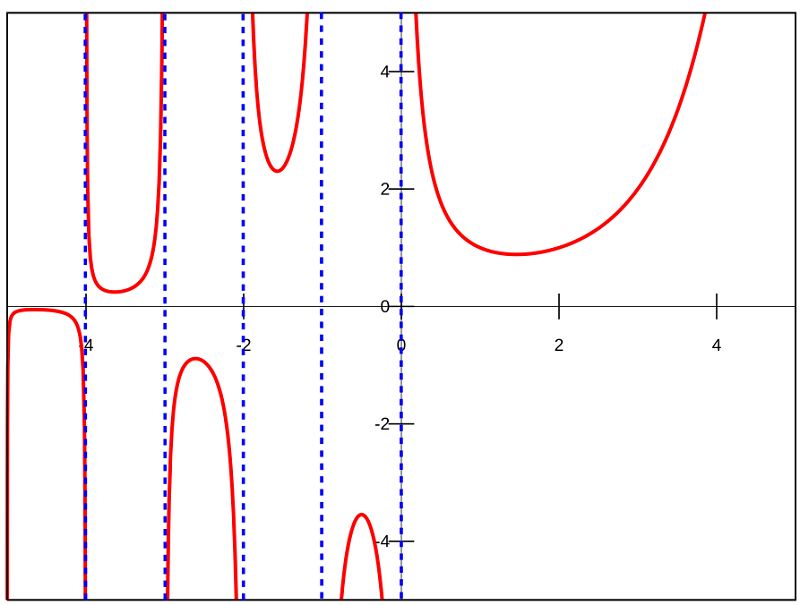
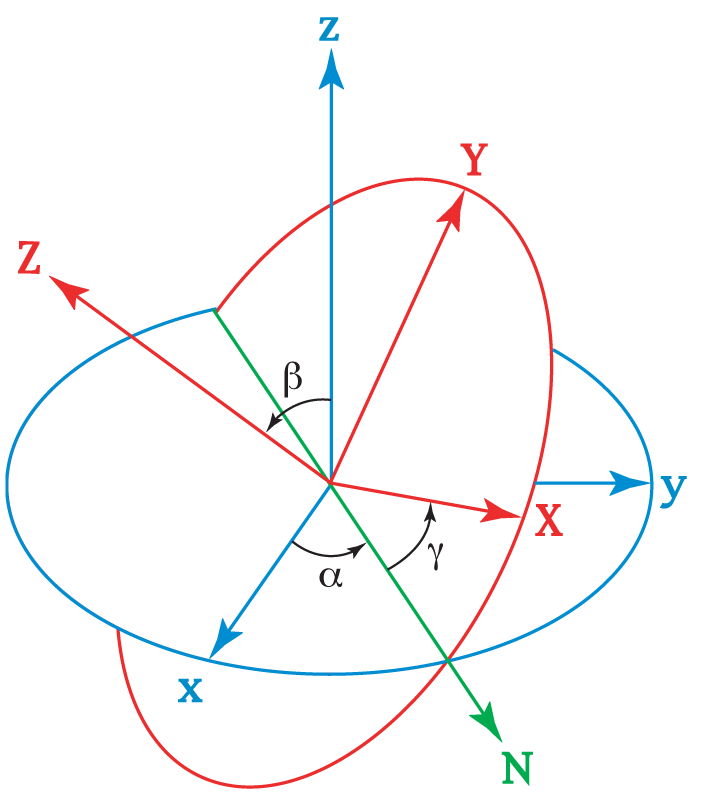
За матеріалами кафедри фізики, математики та методики навчання
The Blind Seer: How the Genius Euler Created the Language of Modern Mathematics and the Most Elegant Formula

I long wondered: what on earth did Euler wrap around his head? At last it dawned on me – it’s the Pythagorean pants! Great people can afford such jokes. Mathematical jokes! Or was it simple absent-mindedness? But where was the artist looking?! (The photo shows the portrait of Leonhard Euler by Jakob Emanuel Handmann, 1753, Kunstmuseum Basel)
Last time we recalled the mathematical legacy of Leibniz, and today, once again within the work of the mathematics club of the Faculty of Physics, Mathematics, Computer Science and Technological Education of Berdyansk State Pedagogical University, an engaging session took place dedicated to the genius who can rightly be called the “blind seer” – Leonhard Euler. Even after losing his sight, he continued to work!
The participants immersed themselves in the world of one of the most productive mathematicians in human history – a man who created the modern language of mathematical analysis, gave science its most elegant formula, and whose complete collected works number more than 80 volumes. According to the estimates of his contemporaries, he was the author of approximately every fourth mathematical paper published in the eighteenth century!
The session showed how Euler transformed mathematics from a “science of figures” into a universal “science of functions”, laying the foundation on which almost all of modern physics, engineering, and computational methods stand.
The participants examined how Euler standardized mathematical notation, turning it into the world language of science; the transition to algebraic analysis; the theory of infinite series and products; the solution of the famous Basel problem; and the astonishing appearance of the number π in the sum of reciprocal squares.
In addition, the students became acquainted with the history of Euler’s number and the proof of its irrationality, the “legalization” of the imaginary unit, the proof of Euler’s formula and Euler’s identity. Particular interest was aroused by the gamma function as an interpolation of the factorial, the calculus of variations with the Euler-Lagrange equation, methods for solving differential equations, and the application of analysis to the solid mechanics and hydrodynamics.
The session once again demonstrated how Euler’s ideas – from infinite series to the principle of least action – managed to unite arithmetic, geometry, analysis, and physics into a single harmonious system. The participants saw that the blind seer who dictated formulas from the darkness perceived what others failed to notice even in full light: the profound unity of the exponential and trigonometry, of the discrete and the continuous, of number and form.
Such meetings remind us that mathematics is not merely a set of computational techniques, but a complete architecture of thought. The path from the creation of the mathematical alphabet to the most elegant formula in the world opens to us the deep harmony of the Universe, created according to the laws that were first clearly written down by the great Swiss genius.
Full version: https://www.researchgate.net/publication/412326808
