Щорічно третього вівторка березня відзначається Всесвітній день соціальної роботи (World Social Work Day) – професійне свято, започатковане Міжнародною асоціацією шкіл соціальної роботи спільно з Міжнародною федерацією соціальних працівників у 1983 році. Цей день спрямований на підвищення обізнаності суспільства щодо ролі соціальних працівників у розбудові справедливого суспільства, привернення уваги до проблем соціальної незахищеності, а також на підтримку професіоналів, які щоденно сприяють змінам у житті людей.
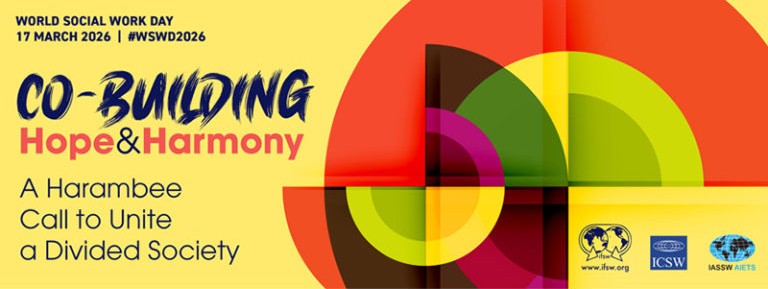
У 2026 році святкування припало 17 березня та проходило під гаслом “Co‑Building Hope and Harmony: A Harambee Call to Unite a Divided Society”, у перекладі – “Спільне творення надії та гармонії: заклик Harambee до єднання розділеного суспільства”. Ідея Harambee (“тягнути разом”), що походить з африканського культурного контексту, уособлює солідарність, взаємодопомогу та колективну відповідальність — “пучок прутиків непереможний”. Ключовий меседж глобальної теми: мир ґрунтується на справедливості, довірі й участі, а подолання сучасних викликів можливе лише через спільні зусилля, у яких соціальні працівники відіграють важливу консолідуючу роль.
У межах відзначення професійно важливої дати кафедра соціальної роботи та інклюзивної освіти організувала серію тематичних заходів, що відобразили ідею єднання та спільного творення. Спікерами більшості заходів цьогоріч стали здобувачі вищої освіти спеціальності І10 Соціальна робота та консультування, які активно ділилися досвідом волонтерства, професійної діяльності у галузі соціальної роботи, особистим досвідом подолання соціальних викликів.
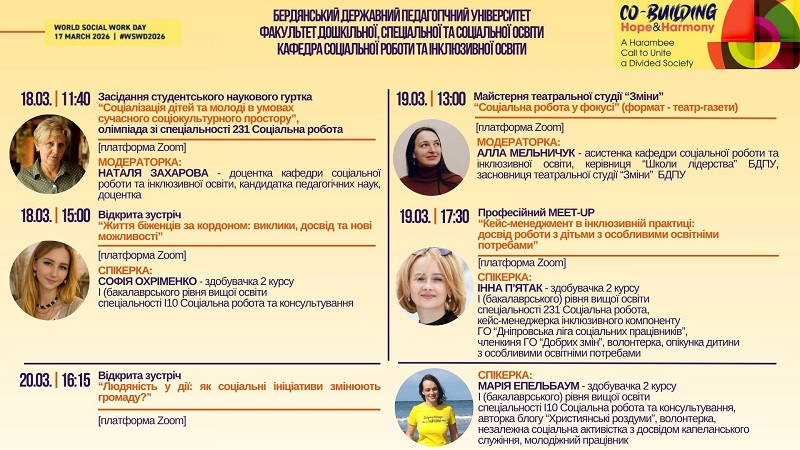
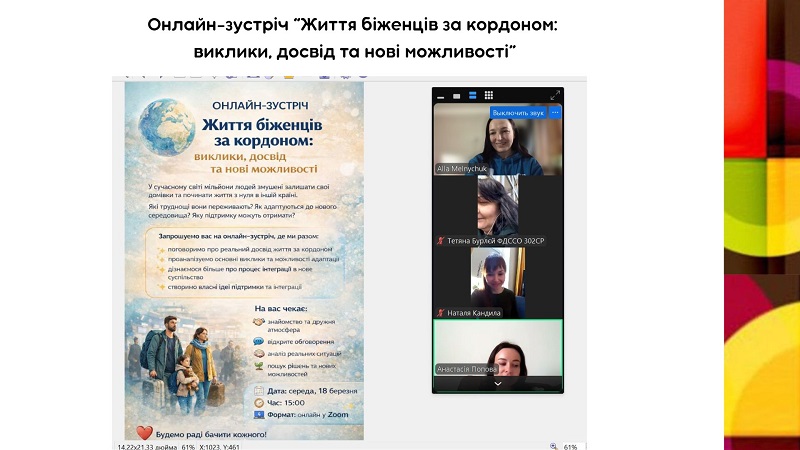
У межах відкритої зустрічі “Життя біженців за кордоном: виклики, досвід та нові можливості” (18 березня) (модераторка — асистентка, керівниця “Школи лідерства” БДПУ Алла Мельничук) у дружній та підтримувальній атмосфері обговорювали ключові аспекти життя українців за кордоном. Зокрема, увагу було зосереджено на реальному досвіді адаптації в інших країнах, основних викликах, з якими стикаються біженці (опанування мови, культурна адаптація, пошук житла та роботи, доступ до освіти й можливостей самореалізації, фінансова грамотність і безпека, збереження ментального здоров’я), а також на ресурсах і можливостях успішної інтеграції в нове середовище. Окремий акцент було зроблено на важливості збереження особистісної та національної ідентичності в умовах вимушеної міграції. Важливим результатом зустрічі став спільний пошук ідей і практичних рішень для подолання труднощів життя в новій країні.
Спікеркою заходу виступила Софія Охріменко — здобувачка 2 курсу І (бакалаврського) рівня вищої освіти спеціальності І10 Соціальна робота та консультування заочної форми здобуття освіти.
Рефлексія Софії щодо проведеного заходу: “Проведення онлайн-заходу на тему життя біженців за кордоном стало для мене не просто навчальним завданням, а й цінним досвідом. Захід пройшов у теплій та відкритій атмосфері. Було відчуття, що ця тема відгукується кожному, адже вона не є далекою чи абстрактною — це реальність, з якою сьогодні стикається багато людей.
Мені було важливо не просто подати інформацію, а донести емоцію, показати, що за кожною історією стоїть жива людина зі своїми переживаннями, страхами та надіями. Після цього заходу залишилося відчуття, що навіть через такі невеликі ініціативи можна привертати увагу до важливих тем і, можливо, змінювати ставлення до них”.
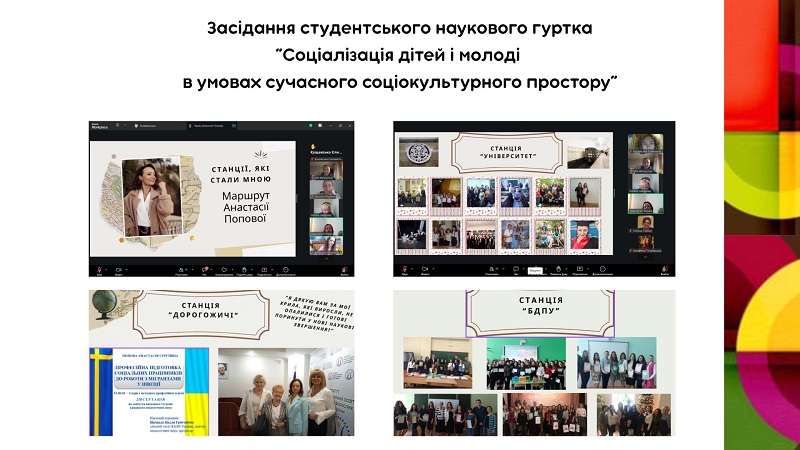
У межах засідання студентського наукового гуртка “Соціалізація дітей та молоді в умовах сучасного соціокультурного простору” (19 березня) (керівниця — доцентка Наталя Захарова), завдяки новому формату роботи — рубриці “Давайте знайомитися: викладач — науковець”, який успішно себе зарекомендував серед студентства, майбутнім соціальним працівникам випала унікальна можливість глибше пізнати науковий потенціал викладачів кафедри через їхні особисті та професійні історії.
До весняного діалогу долучилася кандидатка педагогічних наук, доцентка кафедри Анастасія Попова, яка презентувала свій шлях як символічний маршрут — із “станціями”, що сформували її як особистість і науковицю: від дитячих мрій і вибору професії до науки, від спроб і помилок — до усвідомленого розвитку. Представлена історія актуалізувала важливі ціннісні орієнтири: готовність бачити у “випадковостях” нові можливості, значущість наполегливості та активної дії у досягненні результату, а також віру у власний потенціал.
Зустріч стала важливим мотиваційним ресурсом для здобувачів, сприяючи переосмисленню сприйняття науки — від абстрактно-теоретичного конструкту до живого досвіду особистісно-професійного становлення, втіленого в реальних історіях науковців.
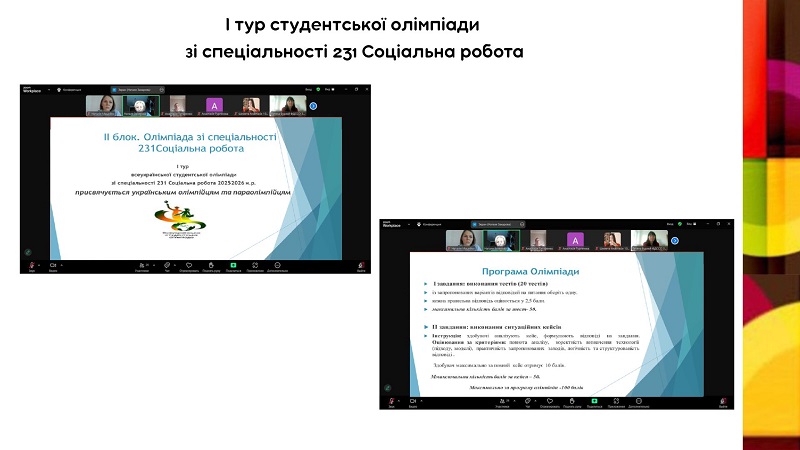
Продовженням запланованих активностей стало проведення І туру студентської олімпіади зі спеціальності 231 Соціальна робота (19 березня) (модераторка — доцентка Наталя Захарова), до участі в якій долучилися здобувачі усіх курсів денної та заочної форм здобуття вищої освіти. Програма олімпіади була побудована таким чином, щоб максимально охопити як теоретичну, так і практичну складові підготовки майбутніх фахівців. Учасники виконували тестові завдання та розв’язували ситуаційні кейси, що моделювали реальні виклики соціальної роботи.
Результати олімпіади засвідчили: здобувачі продемонстрували належний рівень сформованості професійних компетентностей. Зокрема, йдеться про вміння застосовувати теоретичні знання в практично орієнтованих ситуаціях, здійснювати соціальний аналіз і оцінювати потреби клієнтів, добирати адекватні технології соціальної роботи відповідно до умов конкретного випадку. Водночас учасники виявили розвинене критичне мислення та здатність до професійної рефлексії, що є важливими маркерами становлення сучасного фахівця соціальної сфери.
Олімпіада стала не лише майданчиком для перевірки знань, а й простором для професійного зростання, обміну досвідом і утвердження цінностей соціальної роботи в студентському середовищі.
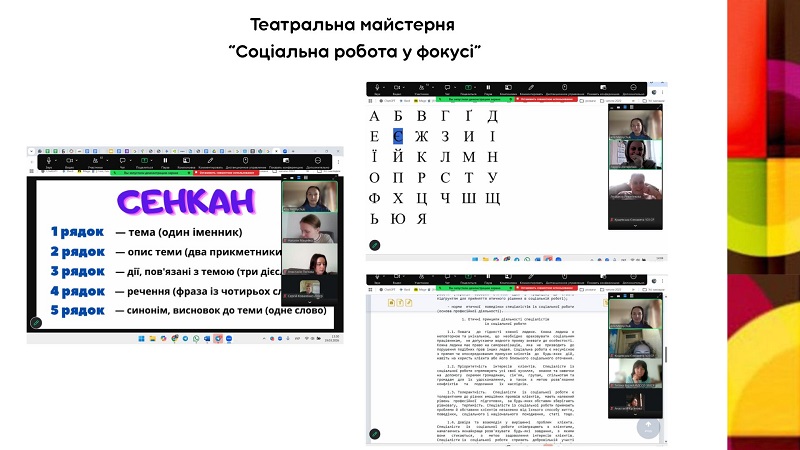
Родзинкою серед запланованих заходів стало проведення театральної майстерні “Соціальна робота у фокусі” (20 березня) (модераторка – асистентка, засновниця театральної студії “Зміни” Алла Мельничук) у форматі театру-газети. Через прості, на перший погляд, вправи, що поєднували елементи театральної майстерності та професійної рефлексії, учасники занурювалися у процес самоусвідомлення та самопрезентації, осмислення професійної ролі соціального працівника, командної взаємодії та спільного творення. Робота з мовою, образами дозволила актуалізувати важливі аспекти професійної діяльності соціальних працівників – емпатію, гнучкість мислення, креативність та здатність до комунікації.
Майстерня стала прикладом того, як творчі підходи можуть ефективно доповнювати професійну підготовку майбутніх фахівців соціальної сфери.
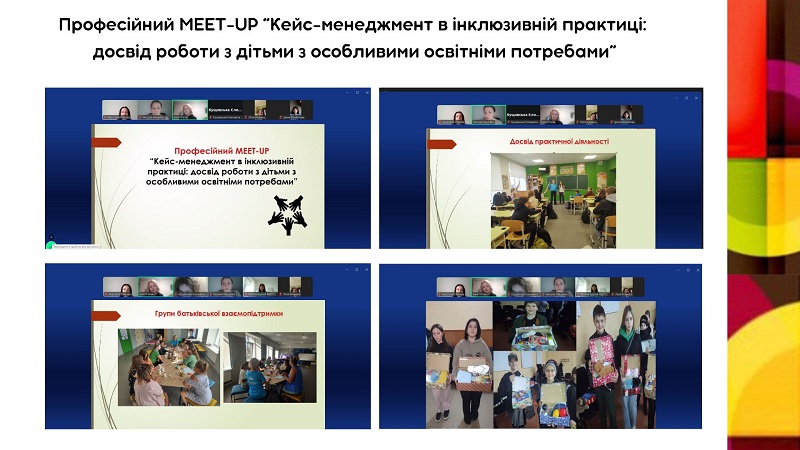
У ході професійного MEET–UP-у “Кейс-менеджмент в інклюзивній практиці: досвід роботи з дітьми з особливими освітніми потребами” (20 березня)(модераторка – старша викладачка Наталія Мацейко) здобувачі отримали нагоду осмислити ключові питання сучасної інклюзивної практики. Зокрема, говорили про те, як ефективно підтримати дитину з особливими освітніми потребами, яку роль відіграє кейс-менеджмент у формуванні інклюзивного середовища та що стоїть за щоденною роботою фахівця соціальної сфери.
Спікеркою заходу виступила Інна П’ятак — здобувачка 2 курсу
І (бакалаврського) рівня вищої освіти спеціальності І10 Соціальна робота та консультування заочної форми здобуття освіти, кейс-менеджерка інклюзивного компоненту ГО “Дніпровська ліга соціальних працівників”, членкиня ГО “Добрих змін”, волонтерка, опікунка дитини з особливими освітніми потребами.
У своєму виступі спікерка поєднала професійний і особистий досвід взаємодії з дітьми з особливими освітніми потребами, що надало зустрічі особливої глибини та щирості. Через призму власного життєвого досвіду окреслила реальні потреби дітей і їхніх родин, акцентувала на викликах, з якими стикаються фахівці, та продемонструвала практичну цінність кейс-менеджменту як інструменту підтримки.
Ця зустріч стала більше, ніж обговоренням професійних підходів. Вона перетворилася на відверту розмову про відповідальність, емпатію та професіоналізм — про досвід, що формує не лише компетентних фахівців, а й свідомих громадян нової генерації.
Рефлексія Інни щодо проведеного заходу: “Спочатку, як спікерка, я відчувала невпевненість, однак щирі відгуки учасників перевершили всі очікування. Я була приємно вражена тією кількістю підтримки, зацікавленості та емоцій, які отримала у відповідь. Особливо цінною стала атмосфера емпатії, взаємоповаги та відкритості. Цей досвід додав мені натхнення й енергію продовжувати свою діяльність”.
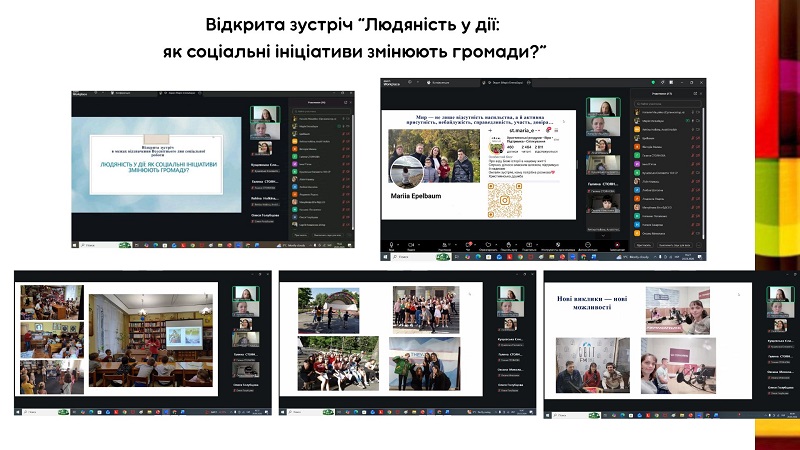
Фінальним акордом відзначення професійно важливої дати стало проведення відкритої зустрічі “Людяність у дії: як соціальні ініціативи змінюють громади?” (21 березня)(модераторка — старша викладачка Наталія Мацейко), в межах якої говорили про значення соціальних ініціатив для громади; роль християнських цінностей — любові, милосердя, прийняття — у щоденному служінні людям, що стає мостом між поколіннями;
можливості втілення соціальних ініціатив за відсутності “масштабного” фінансування; важливість партнерства, взаємопідтримки та небайдужості в громаді.
Спікеркою заходу виступила Марія Епельбаум — здобувачка 2 курсу І (бакалаврського) рівня вищої освіти спеціальності І10 Соціальна робота та консультування заочної форми здобуття освіти, авторка блогу “Християнські цінності”, волонтерка, соціальна активістка з досвідом капеланського служіння, молодіжний працівник.
Особистий досвід спікерки в реалізації соціальних ініціатив переконливо засвідчив: соціальна робота — це не лише професія, а, перш за все, покликання, що починається з простих кроків і щирого бажання допомогти.
Рефлексія Марії щодо проведеного заходу: “Підготовка до заходу стала для мене нагодою переосмислити власний досвід у галузі соціальної роботи. Символічно, що зустріч відбулася в межах відзначення Всесвітнього дня соціальної роботи 2026, темою якого є єднання та спільне творення надії.
Для мене соціальна робота — це насамперед покликання до людяності, яке народжується в серці. Під час зустрічі я акцентувала на тому, як християнські цінності — любов, милосердя та щира турбота — природно трансформуються у соціальне служіння.
Мій досвід реалізації проєктів у громаді показує: щоб змінювати життя, не обов’язково мати великі бюджети, достатньо мати щире бажання бути “джерелом світла” там, де є потреба.
Щиро вдячна учасникам за відкритість та співучасть!”
Всесвітній день соціальної роботи — це не лише можливість відзначити важливість праці фахівців соціальної сфери, а й нагадування про те, що у часи викликів особливо важливо “триматися разом”, підтримуючи одне одного та відновлюючи зв’язки у розділеному світі. Нехай цей день стане кроком до зміцнення солідарності, де людяність, взаємодопомога та рівні можливості стають основою спільного майбутнього.
Шановні здобувачі, у кожному з Вас — сила змінювати світ. І ми щиро віримо, що у Вас це вийде! Дякуємо, що обрали цей шлях! Ви наша гордість та натхнення!
За матеріалами
кафедри соціальної роботи та інклюзивної освіти
For people and PRO people: a uniting experience. To the World Social Work Day
Every year, on the third Tuesday of March, World Social Work Day is celebrated – a professional holiday initiated by the International Association of Schools of Social Work together with the International Federation of Social Workers in 1983. This day is aimed at raising public awareness of the role of social workers in building a just society, drawing attention to the problems of social insecurity, as well as supporting professionals who contribute to changes in people’s lives every day.
In 2026, the celebration fell on March 17 and was held under the slogan “Co‑Building Hope and Harmony: A Harambee Call to Unite a Divided Society”. The idea of Harambee (“pulling together”), originating from the African cultural context, personifies solidarity, mutual assistance and collective responsibility – “a bundle of sticks is invincible”. The key message of the global theme: peace is based on justice, trust and participation, and overcoming modern challenges is possible only through joint efforts, in which social workers play an important consolidating role.
As part of the celebration, the Department of Social Work and Inclusive Education organized a series of thematic events that reflected the idea of unity and co‑creation. The speakers of most events this year were higher education graduates of the I10 Social Work and Counseling specialty, who actively shared their experience of volunteering, professional activities in the field of social work, and personal experience of overcoming social challenges.
As part of the open meeting “Refugee Life Abroad: Challenges, Experience and New Opportunities” (March 18) (moderator – assistant, head of the “Leadership School” of the BDPU Alla Melnychuk), key aspects of the life of Ukrainians abroad were discussed in a friendly and supportive atmosphere. In particular, attention was focused on the real experience of adaptation in other countries, the main challenges faced by refugees (language acquisition, cultural adaptation, finding housing and work, access to education and opportunities for self-realization, financial literacy and security, maintaining mental health), as well as on resources and opportunities for successful integration into a new environment. Particular emphasis was placed on the importance of preserving personal and national identity in conditions of forced migration. An important outcome of the meeting was the joint search for ideas and practical solutions to overcome the difficulties of life in a new country.
The speaker of the event was Sofia Okhrimenko, a 2nd year student of the 1st (bachelor’s) level of higher education, specialty I10 Social Work and Counseling, part‑time form of higher education.
Sofia’s reflection on the event: “Conducting an online event on the topic of refugees’ lives abroad was not just an educational task for me, but a truly valuable and personally important experience. The event itself was held in a warm and open atmosphere. There was a feeling that this topic resonated with everyone, because it is not distant or abstract — it is a reality that many people face today.
It was important to me not just to present information, but to convey emotion, to show that behind each story there is a living person with their own experiences, fears, and hopes. After this event, I was left with the feeling that even through such small initiatives, it is possible to draw attention to important topics and, perhaps, change attitudes towards them”.
Within the framework of the meeting of the student scientific circle “Socialization of children and youth in the conditions of the modern socio-cultural space” (March 19) (head – Associate Professor Natalia Zakharova), thanks to the new format of work – the column “Let’s get acquainted: teacher – scientist”, which has successfully proven itself among the student body, future social workers had a unique opportunity to learn more about the scientific potential of the department’s teachers through their personal and professional stories.
The spring dialogue was joined by the candidate of pedagogical sciences, associate professor of the department Anastasia Popova, who presented her path as a symbolic route – with “stations” that shaped her as a person and a scientist: from childhood dreams and choice of profession to science, from trials and errors – to conscious development. The presented story actualized important value orientations: the willingness to see new opportunities in “coincidences”, the significance of perseverance and active action in achieving results, as well as faith in one’s own potential.
The meeting became an important motivational resource for applicants, contributing to a rethinking of the perception of science – from an abstract theoretical construct to a living experience of personal and professional development, embodied in the real stories of scientists.
The continuation of the planned activities was the holding of the 1st round of the student Olympiad in the specialty 231 Social Work (March 19) (moderator – Associate Professor Natalia Zakharova), in which applicants of all courses of full-time and part-time forms of obtaining higher education joined. The Olympiad program was built in such a way as to maximally cover both the theoretical and practical components of the training of future specialists. Participants performed test tasks and solved situational cases that simulated real challenges of social work.
The results of the Olympiad showed that the applicants demonstrated the appropriate level of professional competence. In particular, it concerns the ability to apply theoretical knowledge in practically oriented situations, to conduct social analysis and assess the needs of clients, to select adequate social work technologies in accordance with the conditions of a specific case. At the same time, the participants demonstrated developed critical thinking and the ability to professional reflection, which are important markers of the formation of a modern specialist in the social sphere.
The Olympiad became not only a platform for testing knowledge, but also a space for professional growth, exchange of experience, and affirmation of the values of social work in the student community.
The highlight of the planned events was the theater workshop “Social Work in Focus” (March 20) (moderator – assistant, founder of the theater studio “Zmyna” Alla Melnychuk) in the format of a theater-newspaper. Through simple, at first glance, exercises that combined elements of theatrical skill and professional reflection, participants immersed themselves in the process of self-awareness and self‑presentation, understanding the professional role of a social worker, team interaction and joint creation. Working with language and images made it possible to actualize important aspects of the professional activity of social workers – empathy, flexibility of thinking, creativity and the ability to communicate.
The workshop became an example of how creative approaches can effectively complement the professional training of future social professionals.
During the professional MEET-UP “Case Management in Inclusive Practice: Experience of Working with Children with Special Educational Needs” (March 20) (moderator – senior lecturer Natalia Matseiko), the applicants had the opportunity to reflect on key issues of modern inclusive practice. In particular, they talked about how to effectively support a child with special educational needs, what role case management plays in forming an inclusive environment, and what is behind the daily work of a social worker.
The speaker of the event was Inna Pyatak, a 2nd year student of the 1st (bachelor’s) level of higher education, majoring in Social Work and Counseling, part‑time form of higher education, case manager of the inclusive component of the NGO “Dnipro League of Social Workers”, member of the NGO “Good Changes”, volunteer, guardian of a child with special educational needs.
In her speech, the speaker combined professional and personal experience of interacting with children with special educational needs, which gave the meeting special depth and sincerity. Through the prism of her own life experience, she outlined the real needs of children and their families, emphasized the challenges that professionals face in an inclusive environment, and demonstrated the practical value of case management as a support tool.
This meeting became more than a discussion of professional approaches. It turned into a frank conversation about responsibility, empathy, and professionalism – about the experience that forms not only competent professionals, but also conscious citizens of the new generation.
Inna’s reflection on the event: “At first, as a speaker, I felt insecure, but the sincere feedback from the participants exceeded all expectations. I was pleasantly surprised by the amount of support, interest, and emotions I received in response. The atmosphere of empathy, mutual respect, and openness was especially valuable. This experience gave me inspiration and energy to continue my activities”.
The final chord of the celebration of a professionally important date was the holding of an open meeting “Humanity in Action: How Do Social Initiatives Change Communities?” (March 21) (moderator — senior lecturer Natalia Matseiko), during which they talked about the importance of social initiatives for the community; the role of Christian values — love, mercy, acceptance — in daily service to people, which becomes a bridge between generations; the possibilities of implementing social initiatives in the absence of “large-scale” funding; the importance of partnership, mutual support, and caring in the community.
The speaker of the event was Maria Epelbaum, a 2nd year student of the I (bachelor’s) level of higher education, specialty I10 Social Work and Counseling, part-time form of higher education, author of the blog “Christian Values”, volunteer, social activist with experience in chaplaincy, and youth worker.
The speaker’s personal experience in implementing social initiatives convincingly demonstrated: social work is not just a profession, but, above all, a calling that begins with simple steps and a sincere desire to help.
Maria’s reflection on the event: “Preparing for the event was an opportunity for me to rethink my own experience in social work. It is symbolic that the meeting took place within the framework of the celebration of World Social Work Day 2026, the theme of which is unity and co-creation of hope.
For me, social work is primarily a calling to humanity, which is born in the heart.
During the meeting, I emphasized how Christian values — love, mercy, and sincere care — naturally transform into social service. My experience of implementing projects in the community shows that to change lives, it is not necessary to have large budgets, it is enough to have a sincere desire to be a “source of light” where there is a need.
I am sincerely grateful to the participants for their openness and participation!”
World Social Work Day is not only an opportunity to celebrate the importance of the work of social workers, but also a reminder that in times of challenge, it is especially important to “stick together”, supporting each other and restoring connections in a divided world. Let this day be a step towards strengthening solidarity, where humanity, mutual assistance and equal opportunities become the basis of a common future.
Dear applicants, each of you has the power to change the world. And we sincerely believe that you will succeed! Thank you for choosing this path! You are our pride and inspiration!
Based on materials from the
Department of Social Work and Inclusive Education
