
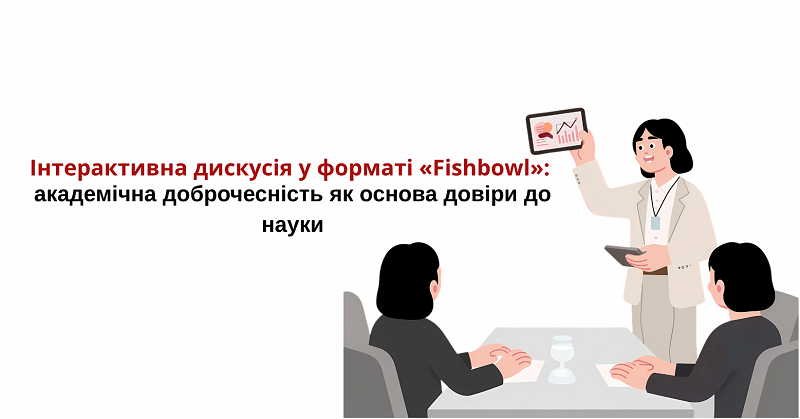
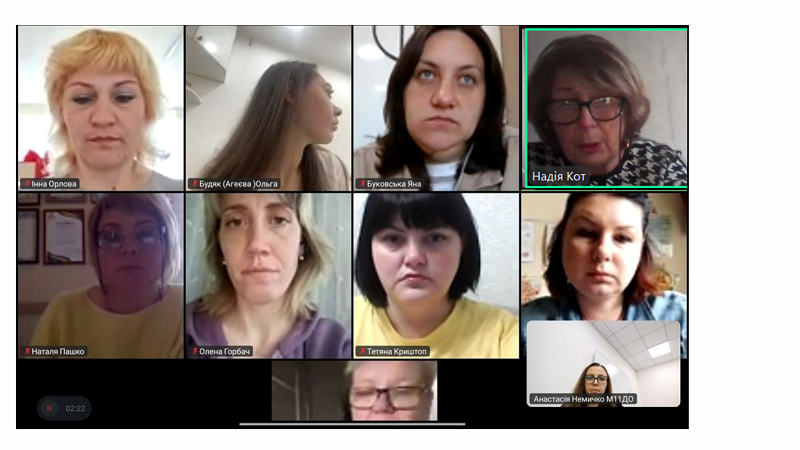
У межах Фестивалю науки БДПУ для магістрантів спеціальності Дошкільна освіта було проведено інтерактивну дискусію у форматі Fishbowl, присвячену актуальним проблемам академічної доброчесності та етики сучасного наукового дослідження. Захід став платформою для відкритого обговорення складних морально-етичних дилем, із якими можуть зіткнутися молоді науковці у процесі навчання та професійної діяльності.
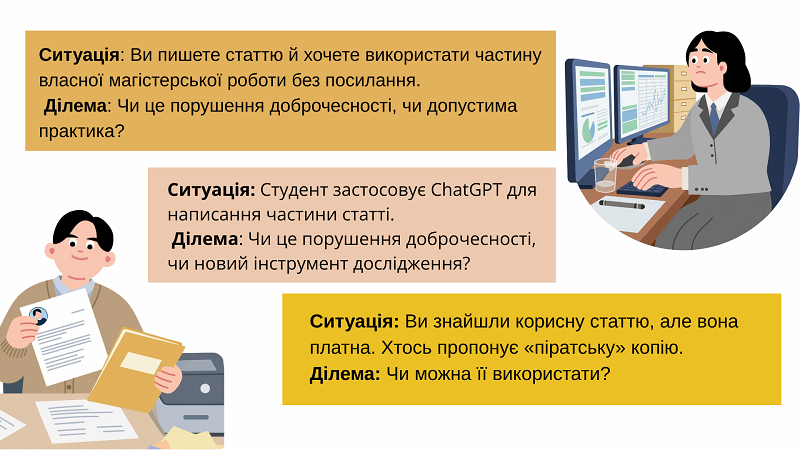
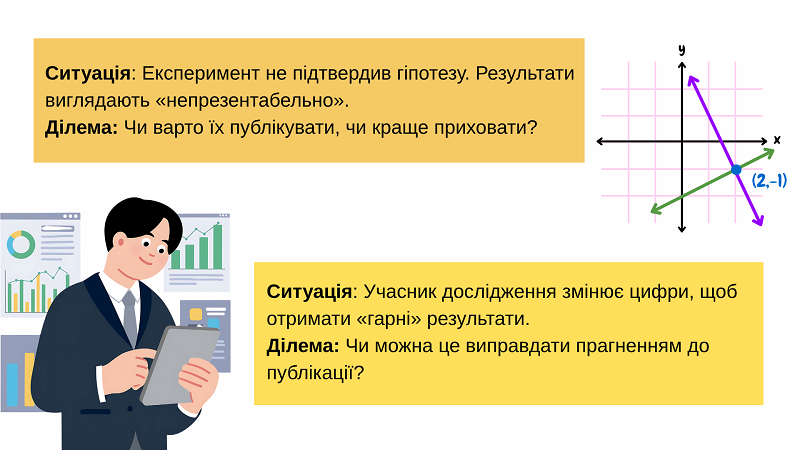
Під час дискусії студенти працювали з реальними ситуаціями, що потребували не лише знання нормативних засад академічної доброчесності, а й уміння аргументовано відстоювати власну позицію, аналізувати наслідки прийнятих рішень та шукати етичні шляхи розв’язання проблем.
У центрі обговорення були такі питання:
- самоплагіат і межі допустимого використання власних попередніх напрацювань;
- публікація негативних результатів дослідження;
- етичність авторства наукових статей;
- фабрикація та фальсифікація даних;
- використання штучного інтелекту в академічному письмі тощо.
Особливий інтерес у магістрантів викликала тема застосування штучного інтелекту в науковій діяльності. Учасники дійшли висновку, що сучасні цифрові інструменти можуть бути ефективними помічниками дослідника, однак їх використання потребує прозорості, критичного мислення та дотримання принципів академічної доброчесності.
Формат Fishbowl сприяв активному залученню всіх учасників до дискусії, розвитку навичок аргументації, академічного діалогу та рефлексії. Магістранти не лише висловлювали власні погляди, а й навчалися чути альтернативні позиції та шукати компромісні рішення.
Проведений захід підтвердив, що формування культури академічної доброчесності є важливою складовою професійної підготовки сучасного фахівця, а обговорення реальних етичних дилем допомагає майбутнім науковцям усвідомити відповідальність за результати власної дослідницької діяльності.
За матеріалами кафедри дошкільної освіти
Interactive Fishbowl Discussion: Academic Integrity as the Basis of Trust in Science
Within the framework of the BDPU Science Festival, an interactive Fishbowl discussion was held for master’s students of the Preschool Education program, dedicated to pressing issues of academic integrity and the ethics of modern scientific research. The event became a platform for open dialogue on complex moral and ethical dilemmas that young researchers may encounter in the course of their studies and professional activities.
During the discussion, students worked with real-life situations that required not only knowledge of the normative foundations of academic integrity but also the ability to defend their position with reasoned arguments, analyze the consequences of decisions made, and seek ethical solutions to problems.
The central issues of the discussion included:
- self-plagiarism and the boundaries of acceptable use of one’s previous work;
- publication of negative research results;
- ethical aspects of authorship in scientific articles;
- fabrication and falsification of data;
- the use of artificial intelligence in academic writing, among others.
Particular interest among the master’s students was sparked by the topic of applying artificial intelligence in scientific activity. Participants concluded that modern digital tools can serve as effective assistants to researchers, but their use requires transparency, critical thinking, and adherence to the principles of academic integrity.
The Fishbowl format encouraged active involvement of all participants in the discussion, fostering skills of argumentation, academic dialogue, and reflection. The students not only expressed their own views but also learned to listen to alternative positions and search for compromise solutions.
The event confirmed that cultivating a culture of academic integrity is an essential component of professional training for modern specialists, and that discussing real ethical dilemmas helps future researchers realize their responsibility for the outcomes of their own scientific work.
Based on materials from the Department of Preschool Education
