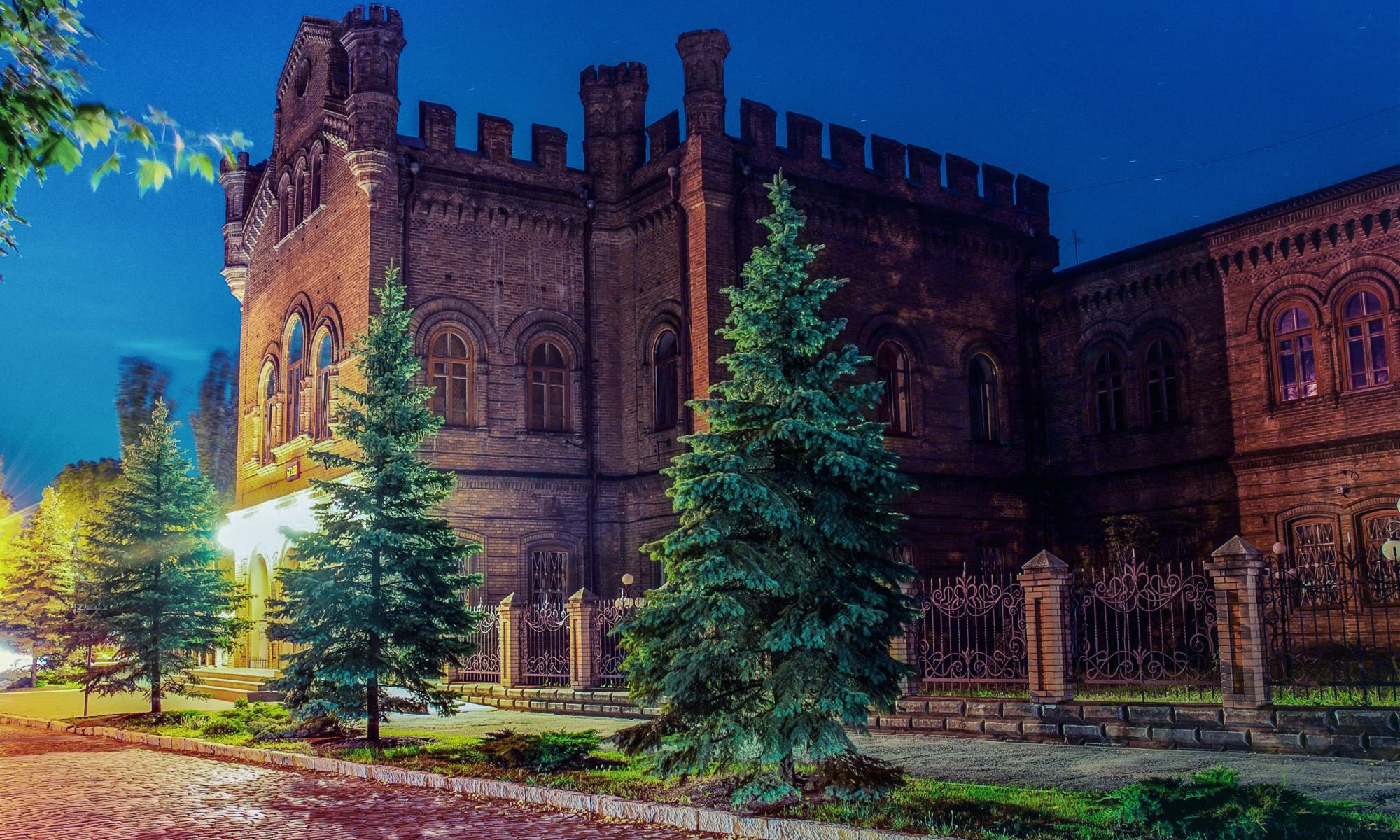
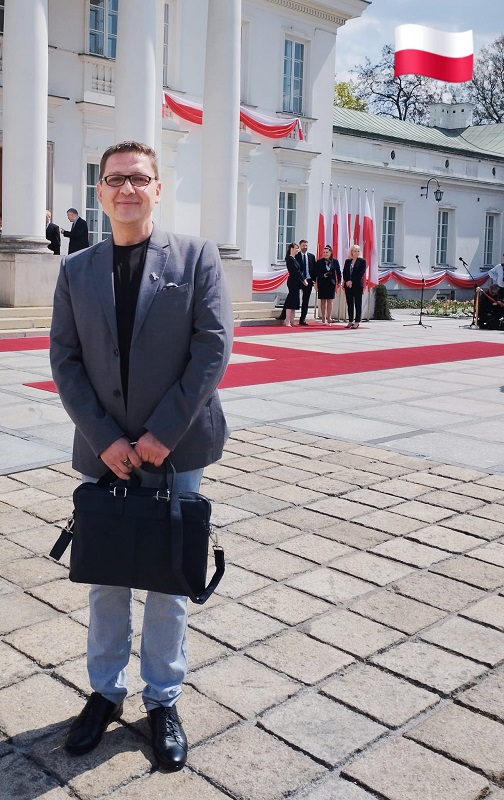
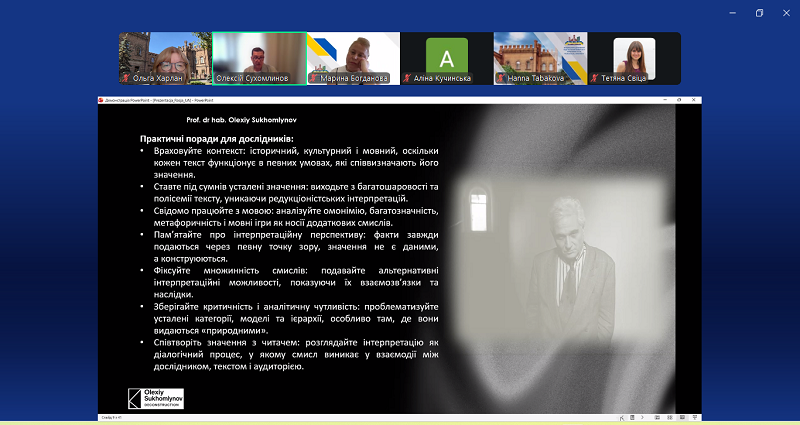
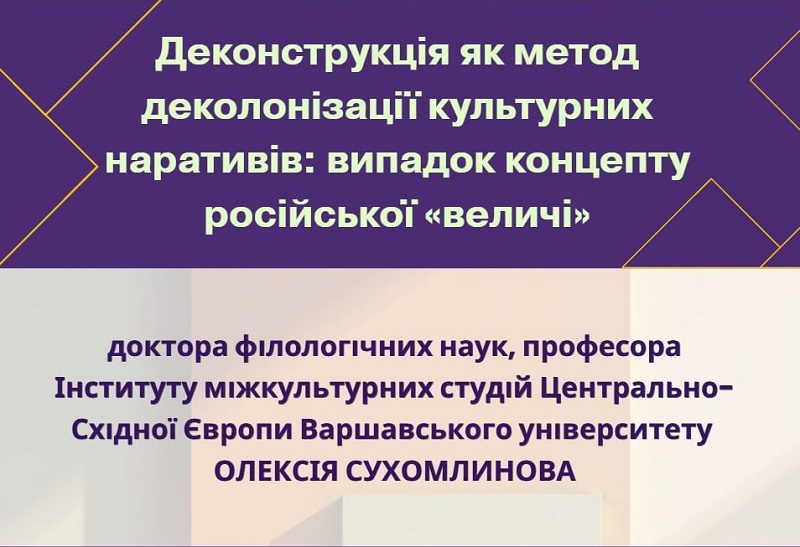
Сучасна гуманітаристика дедалі частіше стає не лише сферою академічних досліджень, а й простором осмислення суспільних викликів, історичної пам’яті та культурної безпеки. Саме цим питанням була присвячена гостьова лекція Олексія Сухомлинова, доктора філологічних наук, професора, викладача Інституту міжкультурних студій Центрально-Східної Європи Варшавського університету, який зустрівся зі студентами та викладачами БДПУ.
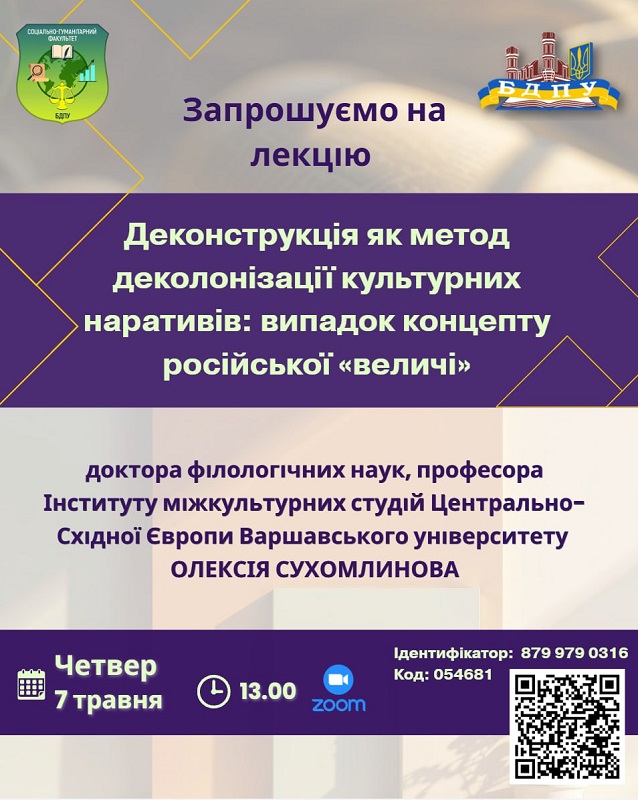
Лекція «Деконструкція як метод деколонізації культурних наративів: випадок концепту російської “величі”» стала нагодою поговорити про механізми формування імперських міфів і роль культури у створенні політичних та ідеологічних моделей. Лектор звернув увагу на те, що поняття «русскій» у сучасному дискурсі часто виходить далеко за межі етнічного чи мовного значення, перетворюючись на інструмент символічного впливу та культурного домінування.
Особливе зацікавлення аудиторії викликала розмова про те, як імперські наративи працюють через культуру. Професор Олексій Сухомлинов проаналізував концепт «русской культури» як механізм привласнення культурної спадщини інших народів, наголосивши, що в межах такої моделі неросійські культури нерідко опиняються на маргінесі або ж подаються як частина «великої російської культури».
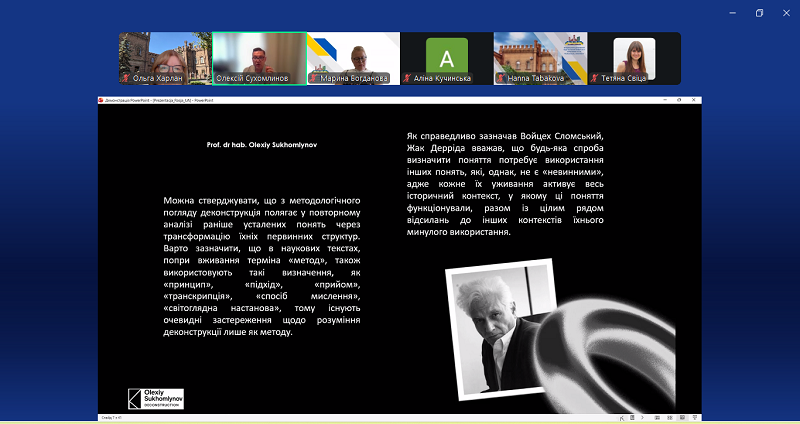
Лекція поєднала елементи постколоніальних студій, соціолінгвістики та аналізу дискурсів, а тому стала особливо цінною для студентів-філологів і всіх, хто цікавиться сучасними гуманітарними підходами. Учасники зустрічі мали змогу побачити, як наукові методи допомагають аналізувати не лише літературу чи культуру, а й сучасні інформаційні та політичні процеси.
Атмосфера лекції була відкритою й дискусійною: студенти активно ставили запитання, обговорювали роль гуманітарних наук у час війни та ділилися власними міркуваннями щодо деколонізації культурного простору України. На початку спілкування лектор наголосив: «Для мене це була не лише нагода поділитися науковими роздумами, але й особливий момент повернення до університетського середовища, яке свого часу сформувало важливу частину мого інтелектуального та професійного шляху».
Такі зустрічі вкотре доводять, що університет – це не лише місце здобуття знань, а й простір формування світогляду, критичного мислення та інтелектуального діалогу. Гостьові лекції провідних науковців допомагають студентам відчути актуальність гуманітарних досліджень і побачити їхній безпосередній зв’язок із сучасними суспільними процесами.
Тетяна Свіца, заступник декана СГФ з навчально-методичної роботи
Deconstructing the Myths of Empire: A Guest Lecture by Oleksii Sukhomlynov
Today, the humanities are increasingly becoming not only a field of academic research, but also a space for reflecting on social challenges, historical memory, and cultural security. These very issues became the focus of a guest lecture delivered by Oleksii Sukhomlynov, Doctor of Philological Sciences, Professor, and lecturer at the Institute of Intercultural Studies of Central and Eastern Europe at University of Warsaw, who met with students and faculty members of BSPU.
The lecture, titled “Deconstruction as a Method of Decolonizing Cultural Narratives: The Case of the Concept of russian ‘Greatness,’” offered an opportunity to discuss the mechanisms behind the formation of imperial myths and the role of culture in shaping political and ideological models. The lecturer emphasized that the concept of “russkiy” in contemporary discourse often extends far beyond ethnic or linguistic meaning, transforming into an instrument of symbolic influence and cultural domination.
Particular interest among the audience was sparked by the discussion of how imperial narratives function through culture. Professor Oleksii Sukhomlynov analyzed the concept of “russian culture” as a mechanism for appropriating the cultural heritage of other nations, stressing that within such a framework non-russian cultures are often marginalized or presented as part of the so-called “great russian culture.”
The lecture combined elements of postcolonial studies, sociolinguistics, and discourse analysis, making it especially valuable for philology students and everyone interested in contemporary humanitarian approaches. Participants had the opportunity to see how scholarly methods can be used to analyze not only literature and culture, but also modern informational and political processes.
The atmosphere of the lecture was open and discussion-oriented: students actively asked questions, discussed the role of the humanities during wartime, and shared their own reflections on the decolonization of Ukraine’s cultural space. At the beginning of the meeting, the lecturer noted: “For me, this was not only an opportunity to share scholarly reflections, but also a special moment of returning to the university environment that once shaped an important part of my intellectual and professional path.”
Such meetings once again demonstrate that a university is not merely a place for acquiring knowledge, but also a space for shaping worldview, critical thinking, and intellectual dialogue. Guest lectures by leading scholars help students recognize the relevance of humanitarian research and understand its direct connection to contemporary social processes.
Tetyana Svitsa, Deputy Dean
of the Faculty of Arts for Educational and Methodological Work
