
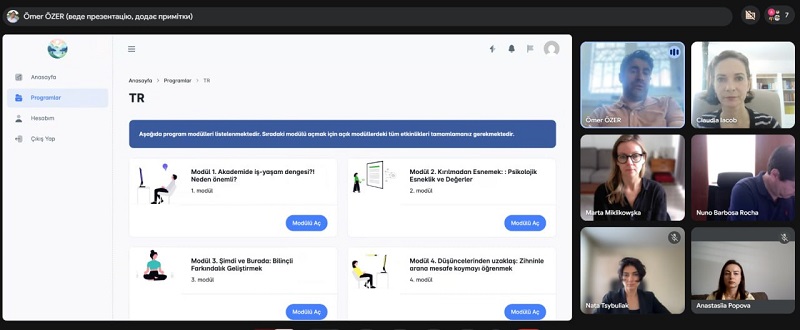
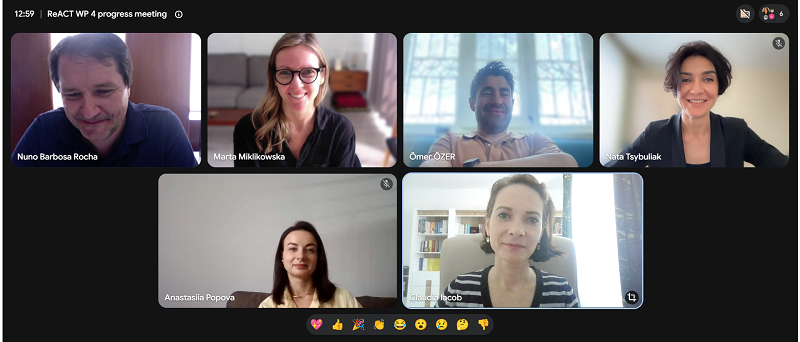
27 травня 2026 року відбулася онлайн-зустріч партнерів міжнародного проєкту ReACT, присвячена поточному стану реалізації проєкту. Під час зустрічі учасники обговорили ключові питання, пов’язані з підготовкою до пілотування та подальшого впровадження результатів проєкту. Зокрема, було розглянуто стан отримання етичних дозволів для проведення пілотування психоосвітньої веб-програми ReACT для підтримки психічного благополуччя дослідників. Партнери зі Швеції, України та Туреччини вже отримали відповідні етичні схвалення, тоді як Румунія та Португалія надали інформацію про поточний статус розгляду своїх заявок.
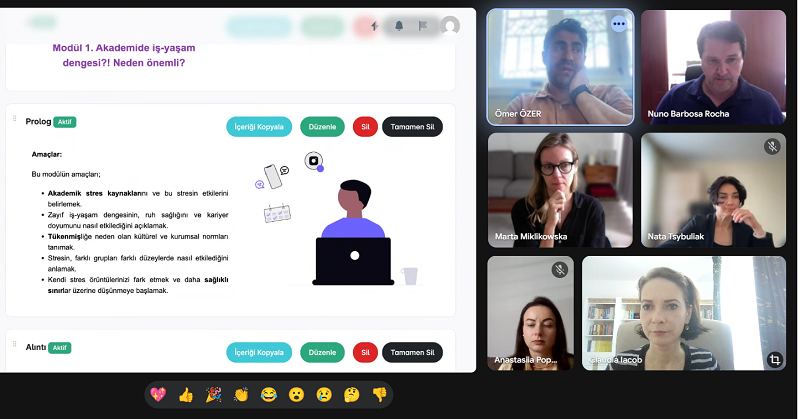
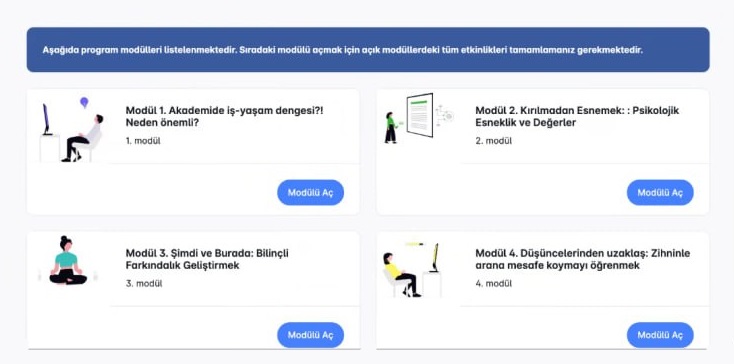
Окрему увагу було приділено роботі над систематичним оглядом веб-програм підтримки психічного здоров’я в академії. Партнери обговорили подальшу стратегію подання статті до інших наукових видань, зокрема PLOS Digital Health та Internet Interventions. Також команда з Туреччини представила оновлення щодо першої версії вебплатформи ReACT. Наразі триває робота над турецькою версією платформи, а англомовну версію планується завершити найближчим часом для подальшого перегляду партнерами.
Важливою частиною зустрічі стало обговорення стратегії рекрутингу учасників для пілотного етапу дослідження. Партнери погодилися використовувати комбінований підхід, що дозволить адаптувати процес залучення учасників до можливостей і контексту кожної країни. Наприкінці зустрічі учасники узгодили майбутні завдання для забезпечення чіткого розподілу ролей і відповідальності між партнерами. Також було повідомлено про створення YouTube-каналу проєкту ReACT, який надалі використовуватиметься для поширення інформації про діяльність і результати проєкту.
Участь у таких робочих зустрічах є важливою складовою міжнародної співпраці та сприяє узгодженій реалізації проєктних завдань, спрямованих на підтримку психологічної гнучкості, добробуту та стресостійкості в академічному середовищі.
За матеріалами
Наталі Цибуляк та Анастасії Попової
Цей матеріал підготовлено в межах проєкту ReACT (Researchers’ act: training for psychological flexibility and work–related stress management), що співфінансується Європейським Союзом за програмою Erasmus+ (KA220-HED). Висловлені думки та погляди є виключно відповідальністю авторів і не обов’язково відображають позицію Європейського Союзу чи Національного агентства.
From Development to Piloting: ReACT Partners Discuss Progress of the International Project
On 27 May 2026, an online meeting of the partners of the international ReACT project was held to discuss the current progress of project implementation. During the meeting, participants addressed key issues related to preparations for the pilot phase and the further implementation of the project results.
In particular, the partners reviewed the status of ethical approvals for piloting the ReACT psychoeducational web-based programme, which is designed to support researchers’ mental well-being. Partners from Sweden, Ukraine and Turkey have already received the relevant ethical approvals, while Romania and Portugal provided updates on the current status of their applications.
Special attention was given to the systematic review of web-based programmes supporting mental health in academia. The partners discussed the further strategy for submitting the manuscript to other academic journals, including PLOS Digital Health and Internet Interventions. In addition, the Turkish team presented an update on the first version of the ReACT web platform. Work on the Turkish version of the platform is currently underway, while the English version is expected to be completed shortly for further review by the project partners.
An important part of the meeting focused on the recruitment strategy for the pilot phase of the study. The partners agreed to use a combined approach, which will allow the recruitment process to be adapted to the capacities and context of each participating country.
At the end of the meeting, participants agreed on the upcoming tasks to ensure a clear distribution of roles and responsibilities among the partners. It was also announced that the ReACT project YouTube channel had been created and would be used to disseminate information about the project’s activities and results.
Participation in such working meetings is an important component of international cooperation and contributes to the coordinated implementation of project tasks aimed at supporting psychological flexibility, well-being and stress resilience in the academic environment.
Based on materials
by Natalia Tsybuliak and Anastasiia Popova
This material was prepared within the framework of the ReACT project (Researchers’ act: training for psychological flexibility and work-related stress management), co-funded by the European Union under the Erasmus+ programme (KA220-HED). The views and opinions expressed are solely those of the authors and do not necessarily reflect the position of the European Union or the National Agency.
